Iran US Talks Stall Amid War Pressure
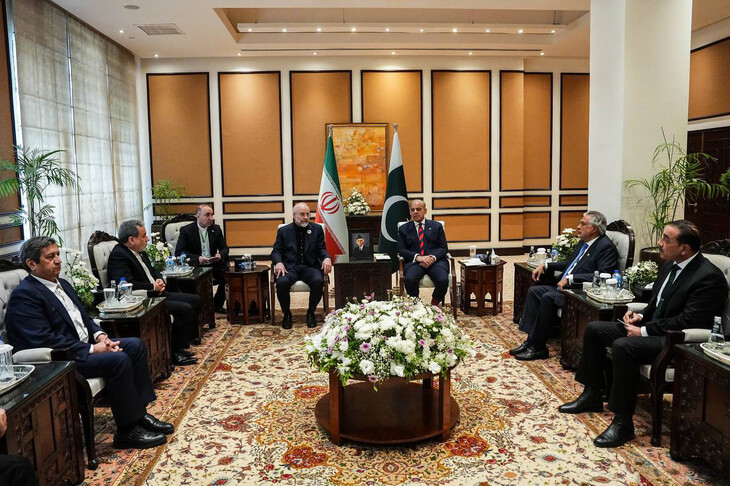
Iran US Talks Stall Amid War Pressure
The diplomatic clock is ticking, but neither Washington nor Tehran is acting like it wants to be the first to blink. That is the real story behind the latest Iran US talks, where President Donald Trump is signaling he is “not in a hurry” while Iranian officials are publicly defending the value of dialogue with the United States. The result is a familiar but dangerous stalemate: rhetoric stays hot, military pressure lingers, and every delay in communication raises the odds that a miscalculation becomes a crisis. For businesses, diplomats, and anyone tracking the Middle East, this is not just another headlines cycle. It is a reminder that the region’s most consequential rivalry is still being managed through friction, not trust.
- The latest Iran US talks are stuck in a slow, high-risk holding pattern.
- Trump’s patience-first posture suggests leverage, but it also delays de-escalation.
- Tehran’s defense of dialogue signals pragmatism even under pressure.
- Any breakthrough will likely depend on security, sanctions, and enforcement terms.
- The longer the pause lasts, the more room there is for regional spillover.
Why the Iran US talks matter right now
The significance of these Iran US talks goes far beyond the two governments at the table. Every pause in engagement affects oil markets, shipping routes, regional alliances, and the risk calculus of armed groups across the Middle East. When Washington and Tehran stop talking, the vacuum does not stay empty. It gets filled by military posturing, proxy signaling, and worst-case assumptions.
That is why Trump’s public posture matters. Saying he is not in a hurry can be read as confidence, or as a pressure tactic designed to extract better terms. But diplomacy is not just about forcing concessions. It is also about preventing accidental escalation. If both sides think time is on their side, they may overplay their hand.
Diplomacy slows down when leaders believe delay is leverage. The problem is that delay also expands the space for misjudgment.
Iran US talks and the politics of patience
Trump’s approach fits a broader pattern of transactional diplomacy: apply pressure, wait for the other side to show vulnerability, then negotiate from strength. It is a strategy that can work in trade talks or campaign politics. With Iran, it is far riskier. Tehran has long framed direct engagement with the US as necessary but politically costly, especially when domestic hardliners view compromise as surrender.
That makes the optics of this moment particularly important. Tehran defending dialogue with Washington is not the same as Tehran agreeing to Washington’s terms. It is, however, a sign that Iranian officials understand the costs of full isolation. Sanctions remain punishing. Regional tensions remain expensive. And the longer talks stall, the harder it becomes for moderates in either capital to argue that engagement still pays.
Why delay can become a strategy
Both sides may believe time improves their bargaining position. The US may think economic pressure will eventually compel concessions. Iran may think Washington will face rising regional instability and come back to the table on more favorable terms. But in practice, delay is a blunt instrument. It rarely produces clean victories. More often it creates a cycle of escalation where each side interprets restraint as weakness and each gesture as a trap.
That is the underlying problem with the current standoff. There is no obvious off-ramp, only a series of cautious moves that could either reopen diplomacy or harden mistrust further.
The real stakes behind the Iran US talks
If the headlines sound repetitive, the consequences are not. These talks are tied to a dense web of security concerns, including nuclear oversight, regional deterrence, sanctions relief, and the behavior of allied militias and proxies. Even without a formal agreement, the mere existence of dialogue can reduce the odds of open conflict. That is why officials in Tehran continue to defend engagement even while rejecting what they see as coercive pressure.
For the US, the stakes are equally high. A breakdown in diplomacy can tighten military alert levels across the Gulf, complicate relations with European partners, and unsettle energy markets. Investors may not care about every diplomatic statement, but they absolutely respond to the possibility of disrupted shipments, missile exchanges, or broader instability.
- Security risk: stalled talks can raise the chance of military incidents.
- Market risk: energy prices often react to geopolitical uncertainty.
- Policy risk: allies may diverge on how to pressure or engage Tehran.
- Credibility risk: failed diplomacy can weaken future negotiating leverage.
What Tehran’s defense of dialogue signals
Tehran’s willingness to publicly defend dialogue is a notable tell. It suggests the Iranian leadership is not closing the door on the US, even if it is clearly unhappy with the current balance of pressure. That distinction matters. Regimes under strain often use tough language for domestic audiences while keeping back-channel diplomacy alive. The public message is resistance; the private message is flexibility.
This dual-track behavior is common in high-stakes diplomacy. It gives leaders room to claim they are not conceding while still preserving the possibility of future deals. For Iran, that is especially important because domestic legitimacy and economic survival are deeply intertwined. If talks can eventually produce sanctions relief or even a reduction in pressure, then keeping dialogue alive is politically rational, not sentimental.
When a government defends talks in public, it is usually protecting optionality. In crisis diplomacy, optionality is power.
What to watch next
The next phase of these Iran US talks will likely depend on three things: whether Washington signals a narrower set of demands, whether Tehran offers enough face-saving language to keep channels open, and whether intermediaries can bridge the credibility gap. The details matter more than the slogans. A single procedural agreement, such as a framework for follow-up meetings or technical consultations, can be more meaningful than a dramatic public statement.
Watch for any shift in tone around verification, sanctions sequencing, or regional security commitments. Those are the pressure points where talks either gain momentum or collapse into another round of blame.
What this means for business and regional strategy
For global business leaders, the Iran US talks are not abstract diplomacy. They affect planning horizons. Shipping insurers, energy traders, logistics firms, and multinationals with exposure to the Gulf all have to price in geopolitical disruption. Even a temporary pause in talks can widen risk premiums if markets believe escalation is more likely than compromise.
Companies should avoid overreacting to every headline, but they should not ignore the pattern. When diplomacy stalls, volatility tends to rise before fundamentals visibly change. The most disciplined response is scenario planning:
- Map exposure to energy routes and regional suppliers.
- Stress-test operations for sanctions tightening or maritime disruption.
- Monitor policy signals from Washington, Tehran, and key intermediaries.
- Build contingencies for short-term volatility and long-term fragmentation.
For policymakers, the lesson is simpler: communication channels are a strategic asset. Even when negotiations are not producing breakthroughs, they can still prevent the kind of misunderstanding that leads to crisis. In a region shaped by deterrence and distrust, that matters almost as much as the deal itself.
The future of Iran US talks
The most realistic near-term outcome is not a grand bargain. It is a cautious continuation of contact, with each side testing the other’s resolve while trying to avoid an outright rupture. That may sound underwhelming, but it is often how diplomacy actually works when the stakes are this high.
Still, the longer the current pause lasts, the harder it becomes to recover momentum. Negotiations age quickly when both sides are performing strength for domestic audiences. So the real question is not whether the Iran US talks will resume someday. It is whether either side can afford the political cost of waiting much longer.
For now, Trump is signaling patience, and Tehran is signaling that dialogue still has value. That combination does not guarantee progress. But it does leave the door open. In a crisis-prone rivalry like this one, open is better than shut.
The information provided in this article is for general informational purposes only. While we strive for accuracy, we make no guarantees about the completeness or reliability of the content. Always verify important information through official or multiple sources before making decisions.


