Jaan Roose Stuns Seoul
Jaan Roose Stuns Seoul
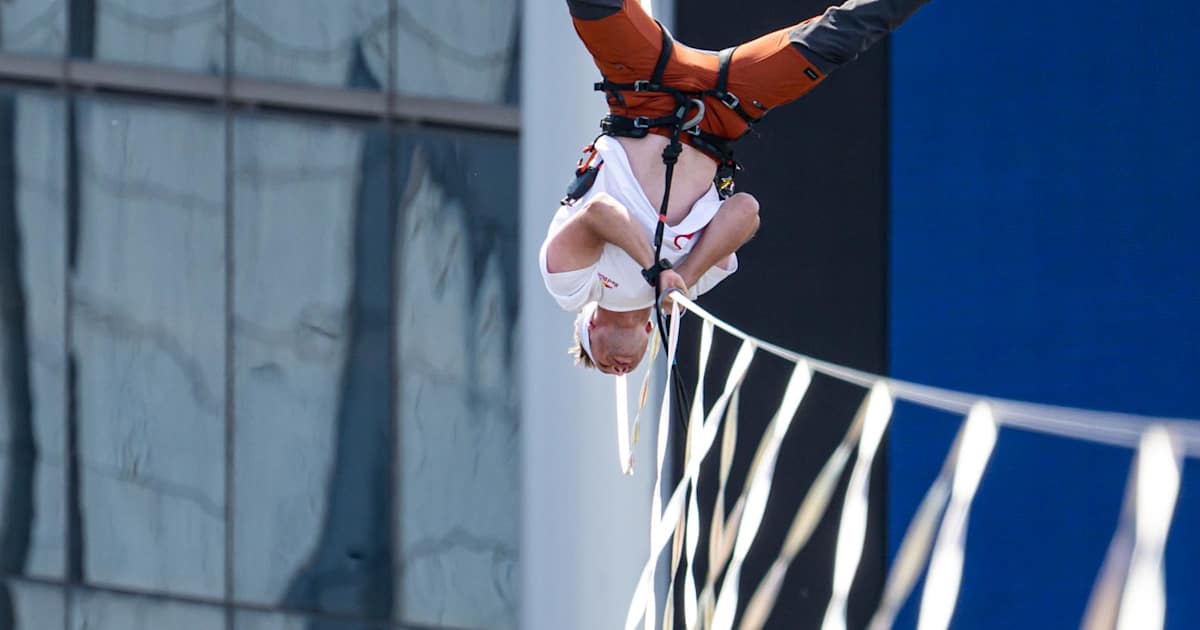
Big cities are running out of ways to feel surprising. Skyscrapers blur together, drone shows repeat themselves, and viral spectacles burn out in hours. Then Jaan Roose Seoul slackline footage cuts through the noise: a human body moving across open air, balanced on a strip of webbing, with the city below and the margin for error reduced to almost nothing. That is why this moment matters beyond one athlete and one skyline. It captures a wider shift in sport, media, and urban identity: the most powerful global events now look less like stadium productions and more like impossible acts staged against everyday architecture. Seoul did not just host a stunt. It became part of the performance.
- Jaan Roose used Seoul’s skyline as a stage for a high-risk
slacklineperformance that blends elite sport and public spectacle. - The walk highlights how adventure athletes are turning cities into global media platforms.
- Urban
highlineevents depend on engineering, permits, weather analysis, and psychological control, not just bravery. - Seoul gains cultural capital from the event, positioning itself as a city comfortable with risk, design, and spectacle.
Why the Jaan Roose Seoul slackline walk landed so hard
The immediate appeal is obvious: someone is walking where people are not supposed to walk. But the deeper reason the Jaan Roose Seoul slackline resonated is that it turns modern urban anxiety into a visual language. Everyone understands height. Everyone understands balance. Everyone understands the stomach-drop sensation of looking down from a tower, bridge, or observation deck.
Roose’s craft compresses all of that into one clean image. A line in the sky. A person standing on it. A city watching.
The best extreme sports moments are not about recklessness. They are about making control visible under conditions that look uncontrollable.
That distinction matters. To a casual viewer, slackline can look like daredevil theater. To practitioners, it is a technical discipline built from foot placement, breath control, equipment knowledge, and repetition. The spectacle is real, but it sits on top of a serious performance system.
Jaan Roose Seoul slackline shows the new shape of elite sport
Traditional sports usually ask audiences to come to the venue. Urban adventure sport flips that model. The venue is already there: a river, a tower, a bridge, a public square, a skyline. The athlete activates it.
That is why Roose’s Seoul walk feels current. It is not simply a record attempt or a promotional stunt. It belongs to a growing category of city-scale performances where athleticism, broadcast logic, tourism strategy, and social media all overlap. The moment is designed to be seen in person, clipped for vertical video, replayed on news broadcasts, and remembered as an image.
Seoul is particularly well suited to this kind of event. It is dense, vertical, visually distinctive, and globally legible. Viewers do not need a map to understand the stakes. The architecture and height do the storytelling. The city becomes the opponent, the backdrop, and the amplifier.
What a highline actually demands
A highline is not just a longer version of a backyard balance line. It is a system. The line must be anchored, tensioned, inspected, and adjusted for the environment. Wind can change the behavior of the webbing. Temperature can affect materials. The line’s length, sag, and movement all influence how the athlete must walk.
The body also has to manage contradictions. The athlete needs relaxed movement but rigid attention. Soft knees but a locked-in center. Peripheral awareness but narrow focus. Panic is expensive. Overcorrection is dangerous. Even confidence can become a liability if it turns into haste.
Pro Tip: When watching a professional slackline performance, look at the arms and hips. The feet get the drama, but the upper body reveals the real-time negotiation between athlete and line.
The engineering behind the spectacle
The public sees the walk. The team sees everything that has to happen before the first step. A city highline requires coordination across property owners, safety crews, engineers, local authorities, broadcast teams, and medical support. The visible act may feel solitary, but the production is collective.
That is where many viewers misunderstand events like this. They mistake simplicity for improvisation. One athlete. One line. One skyline. But the clean image depends on a large amount of invisible labor.
- Site selection: The span must be visually striking and technically possible.
- Anchor integrity: Every connection point must support dynamic loads and redundancy.
- Weather windows: Wind, rain, and visibility can determine whether the walk happens at all.
- Safety systems: A professional setup typically includes a
leash, backup lines, and rescue planning. - Public coordination: Urban events must manage crowd flow, traffic impact, and emergency access.
This is why the best version of the story is not fearless athlete conquers city. That framing is too thin. The sharper reading is that Roose and his team transformed a highly controlled technical operation into something that looked beautifully fragile.
Why Seoul benefits from the risk
Modern cities compete for attention almost as aggressively as tech platforms do. A skyline is no longer just real estate. It is branding infrastructure. Every aerial image, sports event, concert, and cultural festival becomes part of a city’s identity stack.
For Seoul, hosting a high-profile slackline performance does several things at once. It signals confidence. It suggests the city is open to unconventional cultural moments. It turns architecture into story. And it places Seoul inside a global conversation about urban adventure, not just tourism.
That matters because city branding has become harder. Travelers have seen the glossy ads. They have watched the influencer reels. They know how curated campaigns look. A live physical feat, especially one with genuine stakes, cuts through that polished sameness.
A skyline becomes more memorable when someone risks balance against it. Seoul did not need to say it was dynamic. The event showed it.
The psychology of watching someone walk above a city
Part of the fascination is almost primal. Viewers project themselves onto the athlete and immediately recoil. The brain simulates the height. The hands sweat. The floor suddenly feels less reliable. This is one reason slackline footage travels so well across cultures and languages. It does not need much explanation.
But the more interesting emotion is not fear. It is envy. Not envy of danger, but envy of composure. In an attention economy built on distraction, watching someone sustain focus at that level feels almost radical. Roose’s performance is a reminder that attention can still be trained into a physical force.
That is why these moments are so shareable. They are not only thrilling. They are strangely calming. The line moves, the city hums, and the athlete keeps going. It is a visual argument for discipline.
Where the viral clip falls short
The risk of a viral sports moment is that it flattens the athlete into a GIF. The clip captures the danger but often erases the years of practice that made the danger manageable. Roose is not interesting simply because he stepped onto a line in Seoul. He is interesting because he belongs to the tiny group of athletes capable of making that choice look deliberate rather than chaotic.
That distinction should shape how the event is covered. Calling it a stunt is not wrong, but it is incomplete. A stunt can be engineered for shock. This was also a demonstration of mastery.
What this means for the future of urban adventure sport
Expect more cities to court events like this. The formula is powerful: high visual impact, relatively compact footprint, strong broadcast potential, and global shareability. Compared with mega-events that require years of construction and huge budgets, an urban highline can deliver a concentrated burst of attention.
That does not mean every city should rush to put athletes above traffic, rivers, or plazas. The danger of the trend is imitation without expertise. If municipalities treat slackline performances as plug-and-play marketing assets, they will miss the point and increase the risk. These events only work when the athlete, rigging team, and city all respect the technical complexity.
The better future is more selective: fewer gimmicks, more meaningful locations, stronger safety transparency, and deeper storytelling around the preparation. Audiences are sophisticated enough to appreciate the process if they are shown it. In fact, the process may become the next frontier of coverage.
The verdict on Jaan Roose in Seoul
The Jaan Roose Seoul slackline walk succeeds because it operates on multiple levels. It is a sports achievement, a media object, a tourism signal, and a psychological spectacle. It gives viewers the clean thrill of height while rewarding anyone willing to look closer at the craft underneath.
There is a temptation to describe feats like this as escapes from ordinary life. That misses the point. The power comes from placing extraordinary focus directly inside ordinary urban space. Seoul’s buildings, air, weather, and public gaze were not background elements. They were part of the challenge.
Roose did what elite adventure athletes increasingly do best: he made a city feel newly visible. For a few minutes, the skyline stopped being scenery and became a question. How much focus can a person hold? How much risk can a city frame? And how long can one thin line command the attention of the world?
The information provided in this article is for general informational purposes only. While we strive for accuracy, we make no guarantees about the completeness or reliability of the content. Always verify important information through official or multiple sources before making decisions.