Missouri Stuns Florida
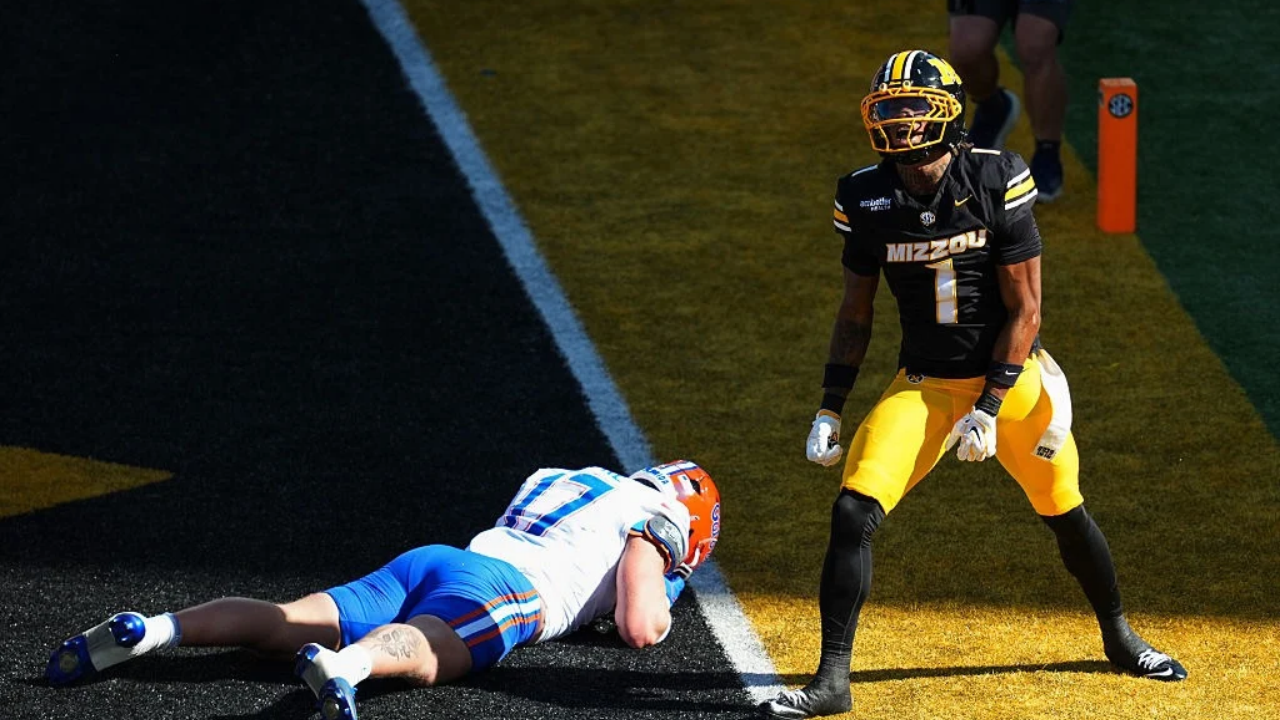
Missouri Stuns Florida
A ranked road game in the SEC can turn a contender into a case study fast. The Florida Gators vs Missouri Tigers showdown did exactly that, handing Florida a painful reminder that talent alone does not travel cleanly through hostile gyms, bad whistles, hot shooting, and late-game pressure. Missouri did not merely steal a headline win. It forced Florida into the kind of uncomfortable, possession-by-possession fight that separates polished March teams from January darlings. For the Tigers, this was validation: a rare ranked home win that announced their rebuild has teeth. For the Gators, it was not a disaster, but it was a flashing warning light. The SEC is too deep, too physical, and too ruthless to survive on bursts. Every top-ten team eventually gets tested. Florida just got tested in public.
- Missouri turned its home floor into a pressure chamber and claimed a signature SEC win over a top-ten opponent.
- Florida’s offensive rhythm cracked when Missouri disrupted spacing, tempo, and late-clock decision-making.
- The result matters beyond one night because SEC seeding, tournament resumes, and national perception are all in play.
- Missouri’s win looks like a program-shifting moment if the Tigers can convert emotion into consistency.
- Florida still has the profile of a dangerous team, but its margin for sloppiness just got smaller.
Florida Gators vs Missouri Tigers became an SEC stress test
The most revealing games are not always blowouts. Sometimes they are the ones where a favorite walks into a building, gets hit first, adjusts, answers, then realizes the opponent is not going away. That was the texture of this matchup. Missouri played with the urgency of a team that understood the stakes, while Florida looked, at times, like a team trying to solve three problems at once: crowd energy, defensive pressure, and the emotional weight of protecting a top-ten ranking.
Missouri’s formula was not mysterious. The Tigers attacked early, moved the ball with purpose, and refused to let Florida settle into a clean half-court identity. The Gators are dangerous when they are flowing downhill, turning defense into offense, and forcing opponents to match their athleticism. Missouri disrupted that script. The Tigers made Florida defend multiple actions, chased loose balls, and made enough timely shots to keep the pressure tilted toward the visitors.
Statement wins are not just about beating a ranked team. They are about making the ranked team play your game for long enough that panic starts to look like strategy.
That is why this result lands with more force than a normal conference upset. Missouri did not need Florida to completely implode. It needed to make the Gators uncomfortable, repeatedly, until their strengths became sporadic instead of constant.
Why Missouri’s win hits harder than the box score
For Missouri, this was the kind of night that can reframe a season. A program does not build credibility only by stacking wins against overmatched opponents. It builds credibility by proving it can handle a bigger, more talented, nationally respected team when the lights are bright. That matters in the SEC, where the difference between a bubble résumé and a protected seed conversation can be one or two nights like this.
Home-court advantage in college basketball is still one of the sport’s most underrated forces. In the NBA, hostile environments are loud. In college, they can be destabilizing. Student sections, momentum swings, uneven officiating rhythms, and emotional runs compress decision-making. Missouri used all of it. The Tigers looked like a team feeding off every defensive stop and every Florida hesitation.
The win also carries psychological value. Programs trying to climb the SEC ladder need evidence. Coaches can preach buy-in, toughness, and patience, but a ranked win turns those ideas into proof. It gives players a memory to return to when the schedule tightens. It gives fans a reason to believe the arena can matter again. It gives the committee something concrete to evaluate when March conversations begin.
Pro tip for reading January upsets
Do not overreact to the ranking next to a team’s name. Instead, look at the repeatable traits. Did Missouri generate quality looks or just hit impossible shots? Did it defend without constant breakdowns? Did it manage pressure late? Those are the indicators that separate a lucky night from a sustainable leap.
The Florida problem was rhythm, not talent
Florida is still talented. That point matters because one road loss should not trigger a full referendum on the Gators’ ceiling. The concern is more specific: when Florida’s rhythm gets interrupted, the offense can become too dependent on individual rescue possessions. That is not unusual for a high-level college team, but it is dangerous in the SEC because defensive length and scouting quality punish predictability.
Missouri’s pressure forced Florida into uncomfortable timing. Ball reversals arrived a beat late. Driving lanes narrowed. Possessions that began with pace ended in late-clock improvisation. When a team built to play fast gets dragged into stop-start basketball, the details matter more. Screening angles, weak-side spacing, second passes, and shot selection become the difference between a poised answer and a wasted trip.
Florida’s best version is still a nightmare: aggressive guards, athletic finishers, and enough defensive activity to create runs. But Missouri showed the counterargument. Make the Gators execute against a set defense. Make them earn clean looks after the first action fails. Make them defend without fouling when the building gets loud. That blueprint will travel around the league quickly.
Florida does not need reinvention. It needs sharper counters for the nights when transition dries up and every possession turns into a negotiation.
Florida Gators vs Missouri Tigers changed the SEC conversation
The SEC was already shaping up as one of the most punishing leagues in the sport. This result only reinforces the point. There are few soft landings on the schedule, especially away from home. A top-ten badge might intimidate some opponents, but in this league it often functions like a target.
For Florida, the loss could be useful if it becomes instructional rather than corrosive. The Gators now have film that will be uncomfortable but valuable. Coaches can point to missed rotations, rushed shots, poor spacing, and game-management moments without needing hypotheticals. The lesson is tangible: elite teams do not just win when the game opens up. They also survive when the game gets ugly.
For Missouri, the challenge is different. The Tigers have to avoid treating a signature win like a season trophy. The next phase is turning one emotional peak into a baseline. That means carrying defensive urgency into less glamorous matchups, avoiding the trap game hangover, and proving that shot-making can be paired with disciplined possessions.
Why this matters for March
- Résumé leverage: Wins over top-ten teams can age beautifully if the opponent keeps winning.
- Seeding pressure: Florida’s margin for error shrinks as road losses stack up in a crowded league race.
- Scouting impact: Opponents now have a clearer template for slowing Florida’s preferred tempo.
- Program perception: Missouri can sell this as evidence that its ceiling is higher than skeptics assumed.
The tactical hinge was Missouri’s composure
Upsets often get framed as chaos, but Missouri’s best moments were defined by control. The Tigers did not simply rely on adrenaline. They made enough composed reads to keep Florida from turning the game into a track meet. That composure showed up in shot selection, spacing, and the willingness to keep attacking rather than protecting the scoreboard too early.
The modern college game rewards teams that can blend pace with patience. Missouri found that balance more often. When Florida pressured, Missouri looked for the next pass. When the Gators threatened to seize momentum, the Tigers found stabilizing possessions. That is how home underdogs become home winners: not by avoiding pressure, but by absorbing it without abandoning structure.
Florida, meanwhile, had too many possessions that felt disconnected. Good teams can survive that against lesser opponents because talent covers the gaps. Against a locked-in SEC team on the road, those gaps become the game. A rushed jumper here, a missed assignment there, a failed box-out at the wrong time – suddenly the upset is no longer theoretical.
What Florida must fix next
The Gators do not need panic. They need precision. The first fix is late-clock offense. When opponents knock Florida out of its first action, the Gators need cleaner secondary structure. That could mean more deliberate pick-and-roll spacing, stronger off-ball movement, or earlier touches for players who can create without forcing the issue.
The second fix is defensive consistency on the road. Great teams travel with defense because shooting can disappear. If Florida wants to remain in the national conversation, it has to generate stops when the offense gets choppy. That requires discipline, especially in loud road environments where fatigue and frustration can warp decision-making.
The third fix is emotional control. Every contender gets punched. The best ones respond without speeding themselves into mistakes. Florida has the athletic profile to beat anyone, but championship-caliber teams do not depend on ideal conditions. They create stability when the game becomes inconvenient.
What Missouri must prove now
The Tigers earned the celebration. Now comes the harder part. A single ranked win can elevate belief, but consistency is what changes a program’s reputation. Missouri has to prove that its energy, defensive edge, and shot discipline are repeatable. Opponents will adjust. The element of surprise fades quickly in conference play.
Still, this is the kind of win that can unlock a team. Players take better shots when confidence rises. Defenders rotate harder when they believe the scheme works. Fans become louder when they sense a team is worth investing in. That ecosystem matters, especially for a program trying to turn competitive flashes into sustained relevance.
The bottom line
Missouri’s win over Florida was more than a ranked upset. It was a reminder that the SEC is built to expose comfort. The Tigers found a way to drag a top-ten opponent into their environment, stress its weaknesses, and finish with the kind of result that can reshape a season. Florida leaves with real concerns, but not fatal ones. The Gators remain dangerous, talented, and capable of responding quickly.
The bigger takeaway is that both teams learned something valuable. Missouri learned its best version can beat elite competition. Florida learned its best version cannot be optional. In a league this unforgiving, that lesson may be worth as much as the loss hurts.
The information provided in this article is for general informational purposes only. While we strive for accuracy, we make no guarantees about the completeness or reliability of the content. Always verify important information through official or multiple sources before making decisions.