Jobless Benefits Signal Economic Stress
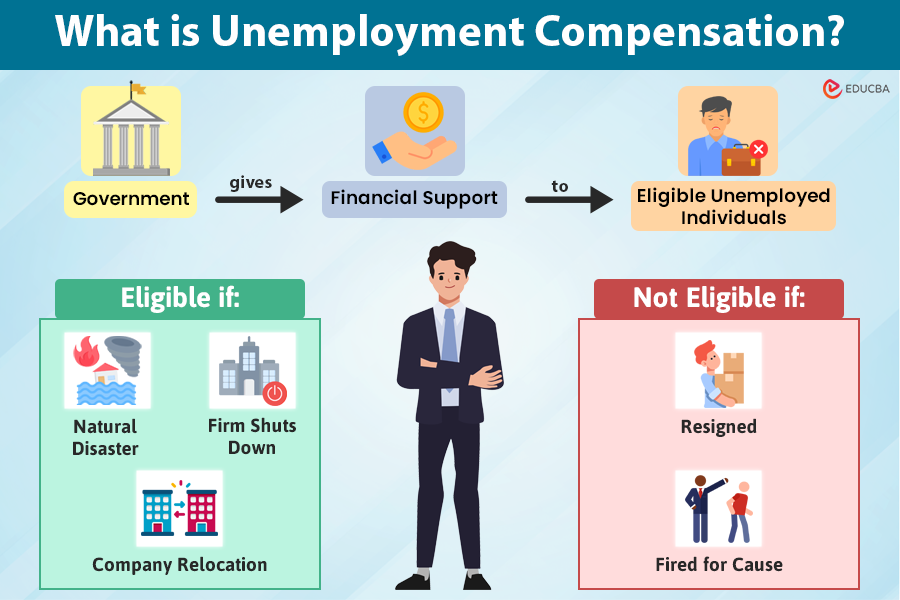
Jobless Benefits Signal Economic Stress
The labor market does not usually crack all at once. It softens first in the places people feel most: fewer callbacks, longer searches, smaller severance cushions, and rising anxiety around unemployment benefits. The latest debate over unemployment benefits lands at a moment when workers are trying to decode whether this is a brief cooling-off period or the beginning of a deeper economic reset. For households living paycheck to paycheck, the distinction is not academic. It shapes rent payments, medical bills, grocery budgets, and whether a layoff becomes a setback or a crisis. For employers, the same data reads like a warning light: demand may be slowing, hiring may be too cautious, and the economy’s post-pandemic resilience may be entering a more fragile phase.
- Rising attention on
unemployment benefitssuggests a labor market under growing pressure. - Job seekers are facing longer searches, tighter hiring standards, and more uncertainty around income support.
- Businesses are using slower hiring and selective layoffs to manage risk without fully retreating.
- Policy choices around benefits could determine whether job losses remain contained or ripple through the broader economy.
Why Unemployment Benefits Are Back at the Center of the Economy
When economists talk about a labor market slowdown, they often focus on abstract indicators: payroll growth, the unemployment rate, labor force participation, and weekly claims. But unemployment benefits are where macroeconomic theory collides with real life. They are the bridge between a lost paycheck and a household’s ability to keep spending, searching, and staying afloat.
The renewed focus on jobless aid reflects a larger tension in the economy. Inflation has eased from its worst levels, but prices remain high. Interest rates have made borrowing more expensive. Companies that overhired during periods of cheap capital and pandemic-era demand are now trimming roles or slowing recruitment. That does not necessarily mean the economy is in free fall. It does mean the margin for error has narrowed.
Jobless benefits are not just a safety net. They are an economic stabilizer that can keep a temporary layoff from becoming a permanent household shock.
This matters because consumer spending remains one of the most important engines of the U.S. economy. When recently laid-off workers receive benefits, they tend to spend that money quickly on essentials. That supports local businesses, keeps bills current, and reduces the risk that one family’s job loss becomes another company’s lost revenue.
Unemployment Benefits and the Labor Market Slowdown
The labor market has been unusually resilient in recent years, but resilience can hide stress. A low headline unemployment rate may coexist with a much harsher experience for workers in specific industries. Technology, media, retail, logistics, finance, and white-collar professional services have all seen periods of retrenchment. The common pattern is not always mass layoffs. It is often hiring freezes, delayed backfills, reduced contractor budgets, and narrower job descriptions.
Longer Job Searches Are the Real Warning Sign
One of the most important signals is not simply how many people lose jobs, but how long it takes them to find new ones. When job searches stretch from weeks into months, unemployment insurance becomes more than temporary support. It becomes the difference between staying in the labor market and falling into financial distress.
Extended job searches can also change worker behavior. People may accept lower wages, take jobs outside their field, move to cheaper areas, or leave the workforce entirely. Those choices can reduce long-term earnings and weaken productivity if skilled workers are mismatched with available roles.
Employers Are Managing Risk, Not Just Cutting Costs
Companies are operating in a high-uncertainty environment. The cost of capital is higher than it was during the era of aggressive expansion. Investors are demanding profitability. Consumers are more price-sensitive. That combination pushes executives to preserve cash, delay hiring, and scrutinize headcount.
The result is a labor market that can feel contradictory. Some employers still complain they cannot find qualified workers, while job seekers report hundreds of applications with few responses. Both can be true. The market is not uniformly weak. It is uneven, segmented, and increasingly selective.
How Unemployment Benefits Shape Worker Choices
Critics often argue that generous benefits discourage work. The more useful question is whether benefits give workers enough time to find appropriate work instead of forcing a rushed match that damages both employee and employer. A software engineer taking the first low-fit role available is not automatically good for the economy. Neither is a hospitality worker accepting unstable hours that do not cover childcare.
Unemployment benefits work best when they preserve search quality without detaching people from the workforce. That balance is hard to design, especially across states with different costs of living, administrative systems, and eligibility rules.
- For workers: Benefits provide breathing room to search, retrain, or relocate.
- For employers: Benefits reduce desperation hiring and can improve job matching.
- For communities: Benefits help stabilize local spending during downturns.
- For policymakers: Claims data offers an early signal of stress before broader statistics confirm it.
Why the Benefits System Feels So Fragile
The unemployment system was built for a different economy. Many state systems still rely on outdated infrastructure, uneven staffing, and complex eligibility rules. During periods of stress, these weaknesses become highly visible. Workers may struggle with delayed payments, confusing portals, identity checks, or inconsistent guidance.
That administrative friction is not a minor inconvenience. If benefits arrive weeks late, the stabilizing effect weakens. Rent does not wait for a claims backlog. Neither do car payments, utility bills, or medical costs. A system designed to cushion a shock can unintentionally amplify it when access is slow or unreliable.
Pro Tip for Workers Navigating Claims
Anyone facing a layoff should document employment history, final pay, severance details, and separation notices immediately. Keep copies of emails, pay stubs, and employer communications. If your state portal asks for information tied to W-2 wages, contractor income, or severance timing, having records ready can reduce delays.
Workers should also watch for rules around part-time income. In many systems, some earnings may reduce weekly benefits but not eliminate eligibility entirely. Misreporting income, even accidentally, can trigger overpayment notices or penalties later.
The Business Impact of Unemployment Benefits
Businesses sometimes view unemployment insurance primarily as a tax or compliance cost. That view misses the bigger picture. During a downturn, benefits help protect demand. A laid-off worker who can still buy groceries, fill prescriptions, and pay for basic services is still participating in the economy.
For small businesses, this can be critical. Local restaurants, repair shops, childcare providers, and retailers are often the first to feel a drop in household income. If unemployment benefits soften that drop, they can reduce secondary layoffs across the community.
The key policy question is not whether benefits cost money. It is whether the economy pays more when workers receive too little support too late.
There is also a talent-market angle. If workers are forced into survival jobs too quickly, businesses looking for specialized skills may face a thinner candidate pool later. Better support can help workers remain available for roles that match their experience, improving productivity and reducing churn.
Unemployment Benefits Could Become a 2026 Policy Flashpoint
As economic anxiety rises, unemployment aid is likely to become more politically charged. Lawmakers may debate benefit duration, eligibility, fraud prevention, funding formulas, and whether support should expand automatically when jobless rates rise. These arguments are not new, but the stakes are higher when households are already strained by years of elevated prices.
The political divide often centers on incentives. One side emphasizes preventing hardship and supporting demand. The other stresses program integrity, employer costs, and the risk of discouraging work. A durable policy approach has to take both seriously.
What a Smarter System Could Look Like
A modern benefits system would be faster, more responsive, and less confusing. It would use clearer digital identity checks, better employer data integration, and automatic triggers tied to labor market conditions. It would also invest in reemployment services, not as a punitive requirement, but as a practical tool for matching workers with real openings.
- Upgrade state
unemployment insurancetechnology to reduce payment delays. - Use automatic extensions when regional labor markets deteriorate.
- Improve fraud detection without locking legitimate claimants out of support.
- Connect claimants with training programs tied to verified employer demand.
- Standardize clearer communication around eligibility, appeals, and reporting rules.
What Workers and Employers Should Watch Next
The next phase of the labor market will likely be defined by duration. If layoffs rise but workers find new jobs quickly, the economy can absorb the shock. If job searches lengthen and benefits systems buckle, the slowdown becomes more dangerous.
Watch weekly claims, continuing claims, hiring rates, and wage growth. Continuing claims are especially important because they show whether people are staying unemployed longer. Also watch corporate earnings calls. Executives often reveal hiring plans, cost controls, and demand concerns before official data fully captures the shift.
For workers, the practical move is preparation. Build an emergency document folder, update your resume before you need it, track industry demand, and understand your state’s benefit rules. For employers, the smart play is transparency. Clear layoff communication, fair severance practices, and credible workforce planning reduce reputational damage and help preserve morale among remaining employees.
Why Unemployment Benefits Matter Now
The debate over unemployment benefits is really a debate over how much volatility ordinary workers should be forced to absorb. A dynamic economy will always include layoffs, restructuring, and technological disruption. But when the safety net is too thin or too slow, those disruptions become more destructive than they need to be.
The labor market is not sending a single clean signal. It is sending a mixed one: still functioning, but more fragile; still hiring, but more selective; still resilient, but less forgiving. That is exactly when jobless benefits matter most. They give workers time, stabilize demand, and help policymakers see stress before it becomes a crisis. The question now is whether the system can move as quickly as the economy it is supposed to protect.
The information provided in this article is for general informational purposes only. While we strive for accuracy, we make no guarantees about the completeness or reliability of the content. Always verify important information through official or multiple sources before making decisions.