Mpox Outbreak Deepens
Mpox is no longer a distant outbreak story tucked into the public-health back pages. It is a live stress test for health systems already running hot, and children are increasingly at the center of that pressure. That matters because childhood infections do not just signal transmission patterns – they expose every weak seam in surveillance, vaccination, and treatment access. When an outbreak starts reaching younger age groups, the questions get harder fast: who is being missed, where are supplies failing, and why are the most vulnerable still waiting for protection?
What makes the current mpox outbreak so alarming is not just the virus itself, but the conditions around it. Overcrowded clinics, delayed diagnosis, underfunded local response teams, and uneven access to vaccines create a perfect environment for spread. For children, the stakes are especially high. Their symptoms can be missed, their care can be delayed, and their households may lack the resources to isolate or seek treatment quickly. The result is a public-health problem that is equal parts medical, logistical, and political.
- Mpox is hitting children harder because detection and care are often delayed.
- Weak health systems amplify outbreaks by slowing testing, isolation, and treatment.
- Vaccines and supplies are only part of the answer – delivery matters just as much.
- The outbreak is a warning sign for broader global-health readiness.
Mpox outbreak pressures a fragile system
The phrase mpox outbreak does not describe a single event so much as a chain reaction. A case appears, then clusters follow, then the system starts to bend. In places where labs are limited and primary care is overstretched, that chain reaction becomes harder to interrupt. Children are especially exposed because they depend on adults to notice symptoms early, get them examined, and keep them away from others while contagious.
This is where the outbreak stops being about a virus in the abstract and becomes a test of public-health execution. Can health workers identify cases fast enough? Can they trace contacts without waiting days for confirmation? Can they get protective guidance to families in time to matter? If the answer is no, transmission keeps moving.
Children are rarely the first signal of an outbreak, but when they start appearing in larger numbers, it usually means the response system is already behind.
Why children change the risk profile
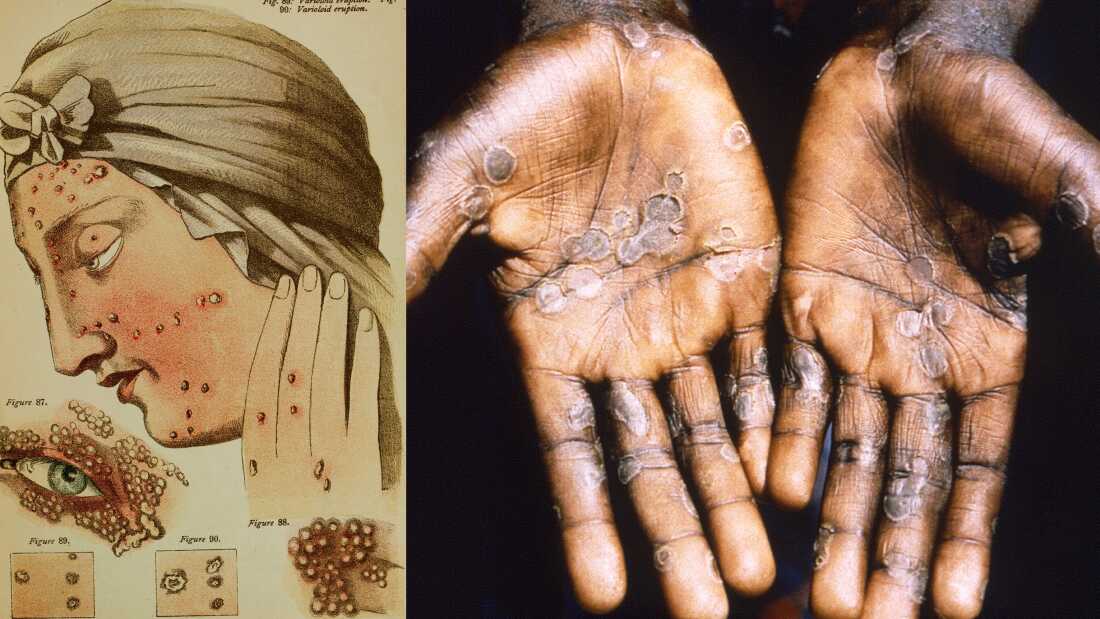
Children often have less access to prompt diagnosis, and their symptoms may be confused with other common illnesses. Skin lesions, fever, and fatigue can be dismissed at first, especially in communities where healthcare access is uneven. That delay is dangerous. By the time a child is tested and isolated, the virus may already have moved through a household, school group, or extended family network.
There is also the practical reality of caregiving. A child with mpox cannot manage isolation alone. Families may share beds, washrooms, and living space, making infection control far harder than the manuals suggest. When homes are crowded and resources are thin, the outbreak gets an unfair advantage.
Mpox outbreak response needs more than vaccines
Vaccination matters. So do antivirals, clinical guidance, and infection control. But the instinct to reduce response planning to supply counts is one of public health’s oldest mistakes. A warehouse full of doses does nothing if the delivery chain breaks before they reach the people who need them most.
That is especially true in the mpox outbreak, where the speed of intervention is critical. Delays in risk communication, mistrust of authorities, and patchy community outreach can all blunt the impact of otherwise solid medical tools. If public health teams do not build trust, vaccines can sit unused while rumors spread faster than the virus itself.
What a usable response actually looks like
- Rapid testing that reaches district-level clinics, not just central hospitals.
- Clear case definitions so frontline workers do not hesitate.
- Targeted vaccination for high-risk groups and exposed contacts.
- Child-friendly treatment pathways that recognize family realities.
- Community messaging that avoids panic and explains isolation plainly.
These are not glamorous interventions, but they are the ones that actually change the curve. Public health often fails not because it lacks intelligence, but because it underestimates friction.
Why the mpox outbreak reveals deeper global-health failures
The current mpox outbreak is also a reminder that global health has been too reliant on reactive funding and crisis attention. The world rushes in after the numbers climb, then attention fades when the headlines do. That cycle leaves weaker systems permanently behind.
For children, that pattern is catastrophic. Pediatric care depends on continuity: routine checkups, staffing, vaccine stock, and enough lab capacity to catch unusual patterns. When those basics erode, outbreaks become more severe simply because the system has less slack. The problem is not only mpox. It is the broader failure to build durable health infrastructure before the emergency arrives.
Pro tip: if a health system struggles to deliver ordinary childhood care, it will struggle even more when a contagious disease enters the picture. Outbreak response cannot be separated from everyday service delivery.
The hidden cost of delayed action
Every day of delay multiplies the burden. Hospitals see more suspected cases. Families miss work. Children miss school. Health workers burn out. And the public starts treating the outbreak as inevitable, which is exactly the wrong mental model. Outbreaks are not simply endured – they are managed, interrupted, and contained, or they grow.
That is why strong surveillance matters so much. Early warning systems do not sound exciting, but they are one of the few tools that can prevent a local problem from becoming a regional emergency. The challenge is that surveillance requires people, money, transport, and trust – all the things that tend to be scarce in the places most at risk.
What governments and aid groups should do now
Response plans should prioritize speed, simplicity, and local execution. The best-designed global strategy still fails if it does not fit the realities of the district hospital, the rural clinic, or the crowded neighborhood where transmission is happening. That means authorities need to stop thinking only in terms of top-down campaigns and start treating frontline logistics as the core mission.
- Pre-position test kits and protective supplies where cases are most likely to appear.
- Train local clinicians to spot symptoms in children early.
- Pair vaccination campaigns with school and community outreach.
- Support caregivers with isolation guidance that fits crowded homes.
- Fund data systems that report cases quickly and accurately.
Pro tip: if a response message cannot be explained in one minute by a community health worker, it is probably too complicated to work at scale.
Children need a different playbook
Child-centered outbreak response is not just adult response with smaller doses. It requires pediatric expertise, family support, and communication that reaches parents, caregivers, teachers, and community leaders. Children are not miniature adults, and the systems designed to protect them should not pretend otherwise.
That means clinics need better triage tools, schools need practical guidance, and public messaging needs to focus on observable symptoms and immediate next steps. The aim is not fear. It is early action.
What the mpox outbreak means next
The big lesson from the mpox outbreak is uncomfortable but clear: the world still reacts better to headlines than to warning signs. If children are increasingly affected, then the response cannot remain narrow, slow, or bureaucratic. It has to be broad enough to move through households, schools, clinics, and community networks at once.
Future preparedness will depend on whether governments treat this as a one-off flare-up or as a proof point for deeper reform. The latter is the smarter read. Outbreaks rarely arrive alone. They exploit the same weaknesses every time: underinvestment, inequity, and slow coordination. Fix those, and you do more than respond to mpox. You make the entire system harder to break.
Public health is full of expensive lessons, but the cheapest one remains the same: invest before the surge, not after it.
For parents, clinicians, and policymakers, the message is stark. The current outbreak is not just about tracking cases. It is about whether health systems can protect children fast enough to prevent a crisis from becoming normal. That is the real test, and it is still being graded.
The information provided in this article is for general informational purposes only. While we strive for accuracy, we make no guarantees about the completeness or reliability of the content. Always verify important information through official or multiple sources before making decisions.