MTV Launches MAGA TV With a Conservative Twist
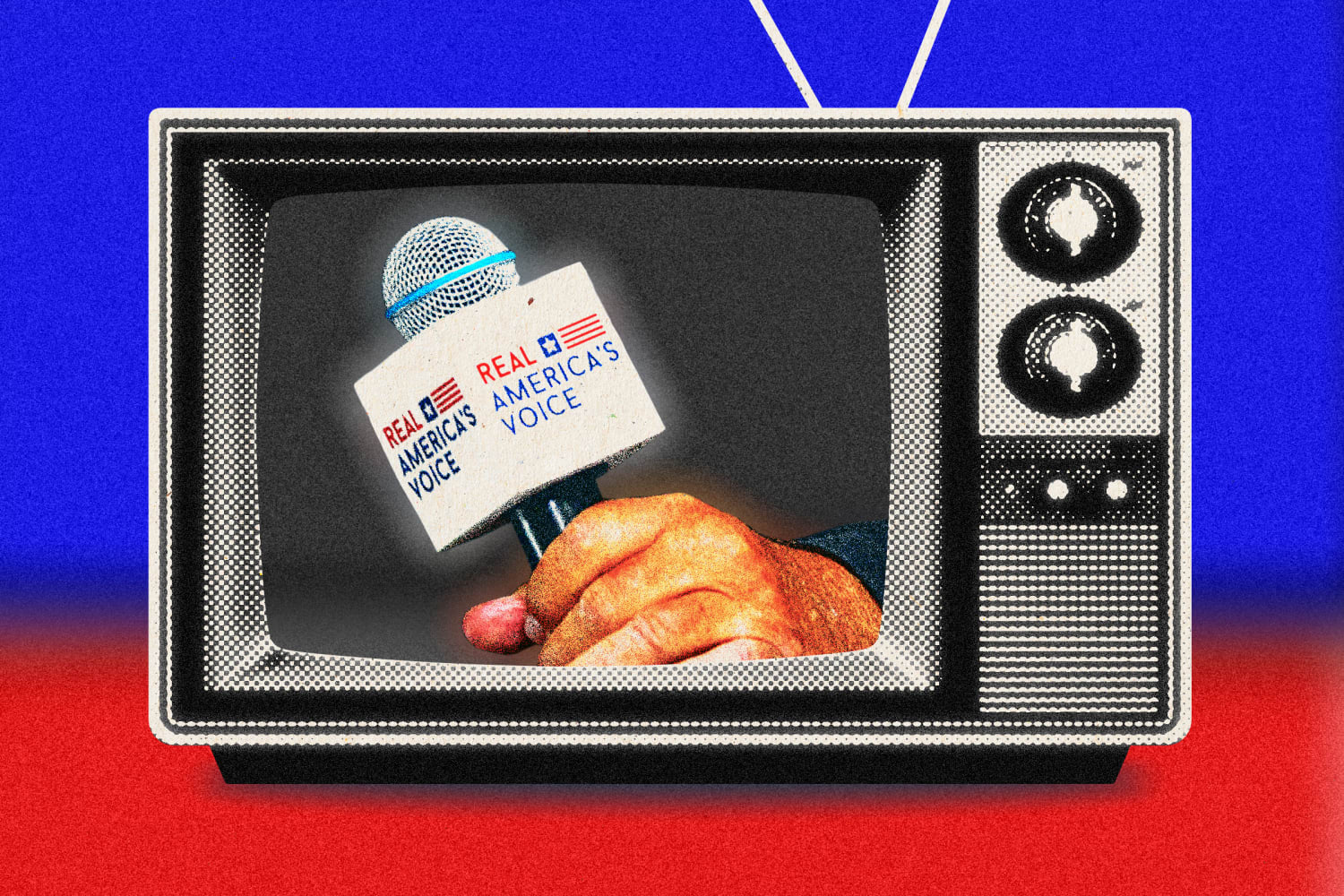
MTV Launches MAGA TV With a Conservative Twist
MTV’s rumored transformation into a MAGA-friendly outlet is more than a programming stunt. It is a signal flare for a media industry that has spent years chasing fragmented audiences, only to discover that polarization is still one of the most reliable distribution engines left. For brands, broadcasters, and political operators, this move raises the same uncomfortable question: is the future of television about reaching everyone, or about serving a fiercely loyal few? The answer may determine which legacy networks survive the next wave of streaming chaos. What makes this shift even more consequential is that it blends entertainment, ideology, and audience capture into one very deliberate strategy. That is not just a rebrand. It is a business model test.
- MTV’s conservative pivot reflects the ongoing collapse of shared mainstream media.
- Political identity is increasingly being treated as an entertainment product.
- Legacy networks may see partisan niches as a path to relevance and revenue.
- This strategy could deepen audience loyalty, but it also narrows reach.
- The real story is not just content, but the economics of attention.
Why the MTV MAGA TV shift matters
The phrase MTV MAGA TV sounds like satire, but the underlying logic is deadly serious. Legacy television has been losing the war for attention to streaming platforms, creator-driven media, and algorithmic feeds. In that environment, a broad, culture-first network like MTV faces a brutal choice: remain a nostalgic brand with shrinking relevance, or become something more combative and identity-driven.
A conservative pivot would not simply change the lineup. It would change the audience contract. Instead of selling a loose mix of music, youth culture, and reality programming, the network would be betting that political alignment can function as a sticky entertainment category. That is a risky bet, but not an irrational one. Partisan media has repeatedly proven that audiences will return for content that validates their worldview, especially when that content is packaged with energy, humor, and outrage.
Here is the uncomfortable truth: media brands today are not just competing on quality. They are competing on tribal belonging.
The economics behind a conservative entertainment pivot
At first glance, a conservative entertainment network sounds like a brand identity crisis. Underneath, it is an attempt to solve a revenue problem. Traditional cable networks have been squeezed by cord-cutting, ad fragmentation, and a younger audience that no longer treats linear TV as default entertainment. When mass reach disappears, niche intensity becomes attractive.
That is where a channel like MTV MAGA TV enters the conversation. It offers a clear audience signal to advertisers, sponsors, and political partners. In theory, that makes ad targeting easier. It also gives the network a sharper editorial identity at a moment when vague branding is a liability.
But there is a catch. The tighter the ideological frame, the harder it becomes to expand beyond the core base. Broad appeal is sacrificed for engagement depth. That can work beautifully if the business is optimized for recurring viewers, low production costs, and high emotional reaction. It can fail fast if the audience tires of the formula or if advertisers decide the brand is too volatile.
Partisan media can be efficient at capturing attention, but it is often expensive to maintain trust. That tension is the real operating risk.
From youth culture to political identity
MTV was once built on cultural discovery. Music videos, celebrity access, and youth rebellion were its native language. A conservative turn would signal that the old logic of programming for cultural curiosity has been replaced by programming for political identification. That is a profound shift in how television understands value.
In practical terms, this means the network is no longer selling discovery. It is selling affirmation. That is a very different product, and it tends to reward repetition, recognizable voices, and predictable editorial cues. For audiences, that may feel comforting. For media critics, it may feel like a collapse of editorial ambition. For the business team, it may feel like the only lever left.
How MTV MAGA TV could reshape the media playbook
The biggest lesson from this kind of move is not that one network is changing direction. It is that more media companies may decide to stop pretending neutrality is the only route to scale. In a fragmented environment, being unmistakable may matter more than being universally liked.
That does not mean every brand can or should chase politics. It does mean media operators are increasingly asked to choose between blandness and intensity. Intensity usually wins attention. Blandness sometimes wins broad advertiser comfort. The strategic question is which path is more sustainable.
What publishers can learn
- Clarity beats confusion when audiences have too many choices.
- Identity-driven programming can boost loyalty if the brand is consistent.
- Audience trust becomes more fragile as the editorial stance hardens.
- Monetization improves when the network can define a precise demographic or worldview.
- Reputation risk rises when content becomes too dependent on outrage cycles.
Those lessons apply far beyond cable television. Podcasts, YouTube channels, newsletters, and streaming brands are all wrestling with the same problem: how to stay relevant when the audience is no longer assembled in one place. The answer often comes down to whether the brand can define itself so sharply that people know exactly why they are there.
Why this matters for advertisers and viewers
For advertisers, a platform like MTV MAGA TV presents both opportunity and risk. The opportunity is simple: a definable audience can be easier to market to than a broad, invisible one. The risk is also simple: politically charged content can make brands nervous, especially if the network becomes a magnet for controversy.
For viewers, the stakes are more cultural than commercial. A network that once helped define youth identity is now potentially helping define political identity. That matters because media ecosystems shape how audiences interpret conflict, style, humor, and belonging. When a legacy entertainment brand shifts toward ideological reinforcement, it normalizes the idea that culture and politics are not separate lanes. They are the same feed.
This is not just a programming choice. It is a culture-making choice.
The audience fragmentation problem
The fragmentation of media audiences has created a strange paradox. There has never been more content, but there has rarely been less shared reference. That makes legacy brands vulnerable, because their original advantage was cultural centrality. Once that disappears, nostalgia alone is not enough to sustain relevance.
A MAGA-aligned entertainment strategy attempts to rebuild centrality inside a smaller universe. Instead of being everything to everyone, the network becomes something specific to a highly motivated audience. That can be effective, but it also deepens the social split between media consumers who want entertainment and those who want affirmation.
The risks hidden inside the strategy
Any pivot this visible creates operational and editorial risks. First, there is brand dilution. A label like MTV carries decades of cultural memory, and repurposing it can confuse longtime viewers. Second, there is content fatigue. Audiences drawn in by novelty may not stick if the programming becomes repetitive or too narrowly political. Third, there is the risk of self-inflicted instability, where the network becomes dependent on controversy to stay visible.
There is also a broader reputational issue. Once a brand becomes a political signal, every decision gets read through that lens. Talent booking, sponsorships, scheduling, and even visual design become ideological clues. That raises the cost of every editorial choice.
When a network turns identity into the product, every programming decision becomes a trust exercise.
Pro tip for media watchers
If you want to understand whether this strategy is working, do not just watch ratings. Watch whether the network can hold a consistent tone across its lineup. Consistency is what converts curiosity into habit. Habit is what keeps a channel alive.
The future of entertainment may look more political
The most important implication of MTV MAGA TV is that entertainment may continue drifting toward explicitly political identity packaging. This does not mean every show will become a political sermon. It means the framing around shows, hosts, and network branding will increasingly lean on worldview as a differentiator.
That could reshape everything from talent recruitment to ad sales. Hosts with strong opinions become assets. Viral moments become strategic inventory. And audience feedback loops tighten, because ideology can be measured, amplified, and monetized in real time.
For the broader industry, this may be the next phase of media consolidation without consolidation. The platforms are multiplying, but the audience camps are hardening. That creates a market where cultural products are designed less to cross boundaries and more to reinforce them.
Whether that is sustainable remains the bigger question. Attention can be captured with polarization, but long-term brand value is harder to build when the core product depends on division. The networks that survive will likely be the ones that balance conviction with flexibility, and intensity with enough editorial range to avoid burnout.
The bottom line on MTV MAGA TV
If this pivot fully materializes, it will be remembered as a symptom of a much larger media reset. Legacy television is no longer protected by heritage. It has to earn relevance every day, and sometimes that means making uncomfortable bets. A MAGA-aligned MTV would not just be a new programming experiment. It would be a declaration that the old broadcast order is over, and that the new currency is ideological clarity.
That is a bold move. It may even be a smart one. But it is also a reminder that the future of entertainment is being built in a landscape where attention, politics, and identity are inseparable. For networks trying to survive, that is either a roadmap or a warning.
The information provided in this article is for general informational purposes only. While we strive for accuracy, we make no guarantees about the completeness or reliability of the content. Always verify important information through official or multiple sources before making decisions.