Naidoc Awards Put First Nations Leadership Front and Centre
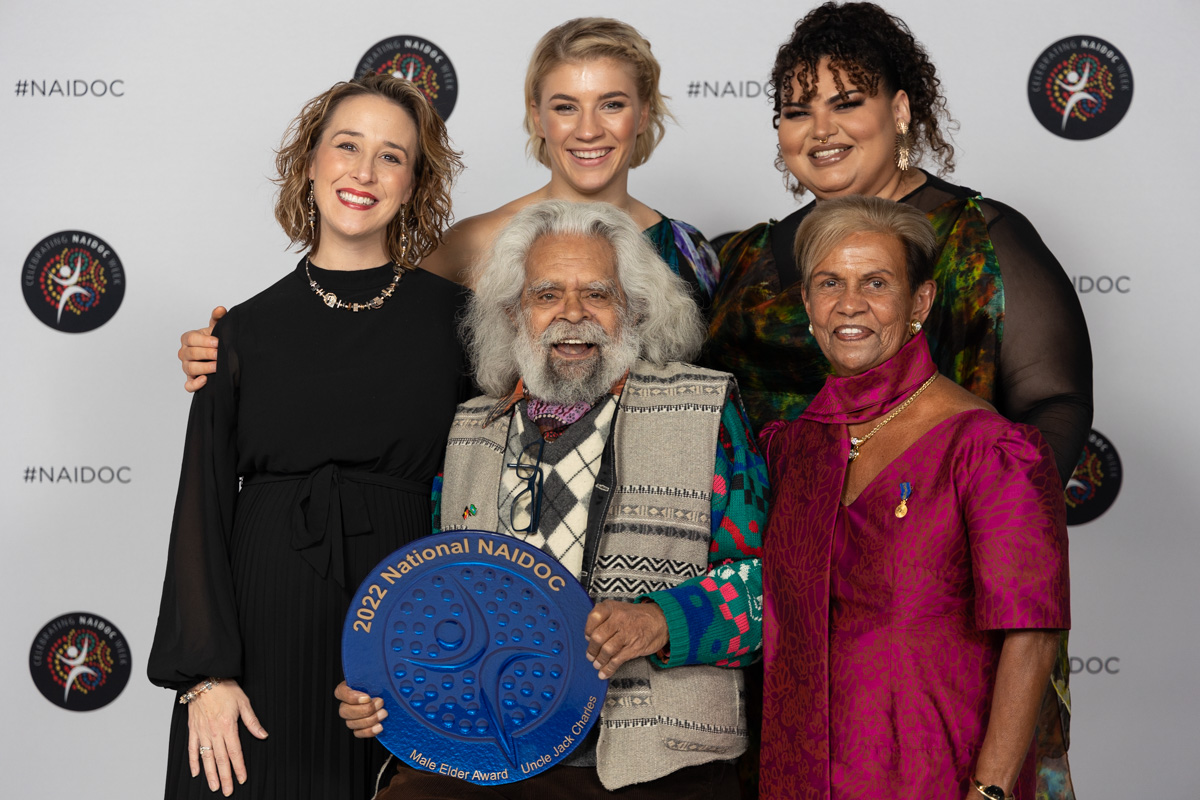
Australia keeps saying it wants a more honest national story. The Naidoc Awards are one of the few stages where that ambition actually looks real. This year’s ceremony lands with extra weight because it does more than hand out trophies: it forces attention onto First Nations leadership, cultural authority and the people who keep community, language and memory moving forward even when institutions lag behind. At the center is Rhoda Roberts, whose name alone signals a broader shift in how recognition works. This is not ceremonial wallpaper. It is a public signal about whose work gets amplified, what kind of leadership matters, and why cultural credibility is becoming impossible to ignore.
- First Nations recognition is becoming a national priority, not a side note.
- Rhoda Roberts represents cultural leadership with mainstream influence.
- The Naidoc Awards are increasingly about impact, not symbolism alone.
- These honours shape public memory, representation and institutional pressure.
- The bigger story is how recognition translates into long-term change.
Why the Naidoc Awards matter now
The Naidoc Awards have never been just about applause. They sit at the intersection of culture, politics and public accountability, which is exactly why they matter more when the country is under pressure to prove it values First Nations voices. Awards can sometimes feel like the softest form of recognition, but in this case they work as a hard-edged public ledger. They tell audiences who is shaping national conversations, who is carrying cultural knowledge, and who is doing the work that institutions often celebrate only after years of neglect.
That matters because recognition is not neutral. When a major national platform elevates First Nations achievers, it helps reshape the default assumptions that still dominate media, arts, education and public policy. The message is clear: leadership is not measured only by title or access. It is measured by cultural stewardship, community trust and the ability to move others toward a more truthful understanding of the country.
Rhoda Roberts and the power of cultural leadership
Rhoda Roberts stands out because she represents a kind of authority that cannot be manufactured in a boardroom. Her influence has always come from the ability to connect storytelling, advocacy and public presence without flattening the complexity of First Nations identity. That combination makes her a fitting figure for a moment like this, where the stakes are bigger than a single award or a single night.
Rhoda Roberts is important not because she fits a convenient narrative, but because she has helped build the space where First Nations narratives can be heard on their own terms.
That distinction matters. Too often, mainstream recognition reduces Indigenous excellence to individual achievement while ignoring the ecosystems behind it: community support, Elders, language work, arts infrastructure and generational resilience. Roberts has long operated in the difficult middle ground between cultural preservation and public influence, which makes her recognition feel less like a symbolic gesture and more like a correction.
What makes this recognition different
There is a difference between being visible and being valued. The former is easy to stage. The latter requires institutions to hand over real authority, budgets and decision-making power. The Naidoc Awards do not solve that problem on their own, but they help establish a public standard. When the ceremony honors leaders like Roberts, it expands the definition of success beyond entertainment, politics or corporate performance.
That wider definition is overdue. Australia’s cultural institutions have often been quick to celebrate First Nations creativity while being slower to address structural inequities. Recognition at this level pushes back against that pattern by making First Nations excellence impossible to frame as fringe or niche.
The Naidoc Awards as a strategic signal
There is a strategic dimension to this ceremony that should not be overlooked. Awards shape incentives. They influence who gets booked, funded, commissioned, archived and taught. They also shape what younger generations believe is possible. When the public sees First Nations leadership receiving high-profile recognition, it creates a template that extends beyond one event.
This is where the Naidoc Awards become bigger than ceremony. They help establish cultural legitimacy in a country that still struggles to translate respect into policy. The awards say that First Nations knowledge is not decorative. It is foundational. And when that message reaches schools, museums, broadcasters and government agencies, it can slowly change what gets prioritized.
- Visibility can drive funding decisions.
- Recognition can influence programming and hiring.
- Public honours can strengthen community authority.
- Major awards can shift the cultural baseline for younger audiences.
That said, the real test is not the applause. The real test is whether recognition leads to sustained investment, better representation and a stronger place for First Nations leadership in national life.
Why this matters beyond one ceremony
The danger with award coverage is that it can flatten everything into a feel-good headline. This moment deserves more than that. It matters because cultural recognition is often the first visible step in a longer chain of change. A ceremony can amplify leaders, but it can also expose the gaps between what a nation says and what it actually does.
For First Nations communities, that gap is familiar. Public celebration has often arrived alongside policy failure, under-resourcing and the ongoing struggle for self-determination. So when the Naidoc Awards foreground a figure like Rhoda Roberts, the event becomes both recognition and reminder. Recognition of what has been built. Reminder of how much still depends on whether institutions are willing to follow through.
The media angle
Media coverage plays a huge role here. If outlets treat the awards as a seasonal cultural event, they miss the deeper story. The smarter frame is to see them as a barometer for where national conversations are heading. The more seriously the public treats First Nations leadership, the harder it becomes for institutions to ignore it.
This is why careful coverage matters. Awards like these do not exist in a vacuum. They interact with debates over representation, truth-telling, education and cultural funding. They also create a record. Years from now, people will look back at who was honored, who was centered, and what that said about the country at that moment.
The most important outcome of recognition is not celebration. It is leverage.
What to watch next
If this year’s Naidoc Awards are any indication, the next phase will be about follow-through. Expect greater scrutiny on how institutions respond to First Nations leadership, not just how they praise it. Expect more pressure on broadcasters, galleries, universities and government bodies to move beyond performative inclusion. And expect First Nations leaders to keep setting the terms of the conversation, rather than waiting for permission.
Rhoda Roberts’ prominence in this moment is a reminder that influence does not always arrive through formal power. Sometimes it comes through persistence, cultural fluency and the ability to hold multiple audiences at once. That is the kind of leadership that changes systems slowly, then all at once.
The bigger takeaway from the Naidoc Awards
The strongest thing about the Naidoc Awards is that they resist the idea that recognition has to be passive. They are not just looking backward at achievement. They are pointing forward to a version of Australia that treats First Nations leadership as central, not supplemental. That is a high bar, and the country is still a long way from meeting it. But moments like this matter because they define the standard.
Rhoda Roberts being elevated in this context is more than a personal milestone. It is an institutional test. If the country truly wants to honor First Nations excellence, then the ceremony has to be the beginning of the story, not the end of it.
The information provided in this article is for general informational purposes only. While we strive for accuracy, we make no guarantees about the completeness or reliability of the content. Always verify important information through official or multiple sources before making decisions.