Netanyahu’s Map Moment Reshapes Middle East Calculus
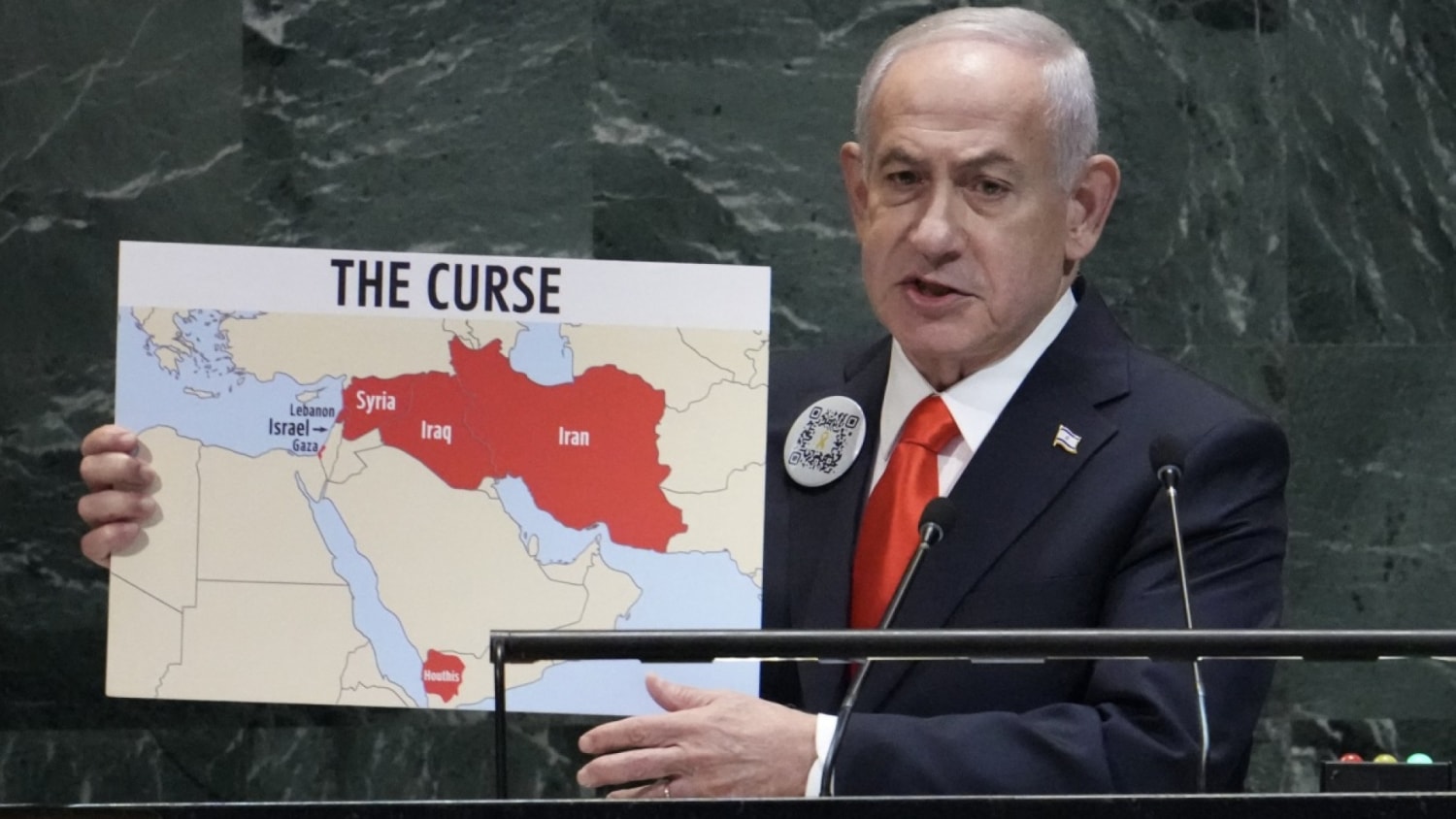
The latest clip of Israel’s prime minister standing beside a sweeping Middle East map and asserting that “we strangled them” landed like a geopolitical thunderclap. For audiences already fatigued by stalemates and proxy conflicts, the Netanyahu map controversy reads as both a declaration of dominance and an invitation to escalation. It confronts policymakers with a blunt reminder: maps are more than lines, they are instruments of narrative control. This moment is not just optics; it reframes deterrence, redraws diplomatic red lines, and signals a willingness to leverage cartography as power theater. The region’s capitals are now parsing every pixel for intent, while publics tally the human cost that rhetoric like this can accelerate. The stakes are urgent: whether this speech cements deterrence or ignites backlash will shape alliances, energy routes, and the fragile hope for de-escalation.
- Netanyahu’s map-side remarks weaponize geography as a political message.
- Regional rivals may recalibrate deterrence strategies in response.
- Washington and Gulf capitals face renewed pressure to clarify red lines.
- Public opinion could swing, tightening the leash on diplomatic flexibility.
Netanyahu map controversy sets a new tone
Map moments are rarely accidental. By pairing assertive language with a visible Middle East map, the prime minister converted a visual prop into strategic signaling. He implied territorial dominance and capacity to constrict adversaries, telegraphing that geography remains the backbone of his security doctrine. The choice of a wall-sized map, rather than a podium-only statement, underscores a belief that optics can harden perceptions of inevitability.
Regional actors will read this as a posture of confidence bordering on provocation. It reinforces the idea that territory, sea lanes, and chokepoints like the Strait of Hormuz remain levers in a long game of pressure. The phrasing “we strangled them” is not mere bravado; it is a message that economic and military chokeholds are central to current strategy.
Editorial take: When a leader gestures at a map and boasts of constriction, it is both a flex and a warning – a reminder that cartography can be wielded like a sanction list.
How the Netanyahu map controversy reshapes alliances
Allies and adversaries will reassess their playbooks. Gulf partners who recently pursued normalization face a dilemma: align with hardline deterrence or push for de-escalation to protect trade flows. For Washington, the rhetoric complicates balancing support for Israeli security with the optics of human cost. Expect more guarded language from U.S. officials as they try to prevent escalatory misreads while maintaining leverage.
Meanwhile, Tehran and its network of proxies may cite the speech as proof of maximalist intent, potentially justifying their own pressure tactics. European capitals, wary of energy disruptions, will likely accelerate back-channel engagements to cool tempers, especially with gas corridors and maritime insurance rates in play.
Power optics: maps as instruments of control
Maps in political theater do more than inform – they frame inevitability. A leader pointing to borders conveys ownership of the narrative. The visual cue tells domestic audiences that the government has a plan, while signaling to foes that geography is a weapon. In this case, the map backdrop amplified the message that constriction is both feasible and ongoing.
Historically, such moments harden negotiation positions. If the public embraces the image of control, leaders gain less room to compromise later. That is why this episode matters: it could lock policymakers into a path where backing down is politically costly, even if security risks mount.
Pro tip: Watch for future speeches with similar stagecraft – repetition cements the frame and limits diplomatic flexibility.
Human and economic ripple effects
Rhetoric about strangling opponents rarely lands in a vacuum. It heightens anxiety among civilian populations who bear the brunt of blockades, sanctions, or military campaigns. Humanitarian corridors, already fragile, can become bargaining chips rather than obligations. Aid groups will need stronger guarantees, and insurers may raise premiums for shipping in contested waters.
Economically, investors track political risk indexes closely. Aggressive statements can widen bond spreads for states seen as potential flashpoints, while energy futures react to perceived threats to pipelines or ports. If rhetoric morphs into policy, trade corridors from the Mediterranean to the Gulf could face delays, raising costs for everything from grain to microchips.
Diplomatic bandwidth under strain
Regional diplomats now juggle crisis response with public narrative management. Each capital will seek to avoid looking weak at home while preventing the slide toward escalation. This strains bandwidth for other priorities such as economic reforms or climate resilience projects. The opportunity cost is real: every hour spent firefighting rhetoric is an hour not spent on domestic stability.
Why this matters now
Timing is everything. The Middle East is in a phase where normalization talks, maritime security coalitions, and great-power competition intersect. An assertive map-side declaration can tilt these delicate balances. It may embolden hardliners, pressure moderates, and complicate U.S.-China jockeying for influence.
Moreover, publics are increasingly tuned to symbolism. Social feeds amplify snapshots more than white papers. A single map gesture can outpace months of quiet diplomacy, shaping perceptions in seconds. That speed advantage favors those who script visuals carefully – and punishes those who underestimate their impact.
Metrics to watch
Monitor three signals in the coming weeks: changes in maritime insurance rates, shifts in public opinion polling within key states, and the tone of statements from Washington and Gulf capitals. If rates climb and rhetoric hardens, expect a feedback loop that incentivizes further posturing. If polling shows war-weariness, leaders may seek off-ramps.
What could cool the temperature
De-escalation pathways exist. Confidence-building measures, such as mutual restraint near borders or verified humanitarian access, can create breathing room. Third-party mediators might push for language that acknowledges security concerns without inflaming tensions. Economic incentives, like infrastructure investment or shared energy projects, can reframe cooperation as mutually profitable rather than zero-sum.
Key insight: The fastest way to blunt the impact of provocative stagecraft is to drown it in tangible, measurable de-escalation steps.
For now, the Netanyahu map controversy stands as a vivid reminder that geopolitics is as much about images as it is about troops and treaties. Leaders who master visual messaging can set the agenda – but they also assume responsibility for the fallout when visuals harden into policy constraints.
Outlook: resilience or relapse
The region’s resilience will be tested by how quickly stakeholders translate rhetoric into either guardrails or guard towers. If diplomacy absorbs the shock, the map moment will be a footnote. If not, it could be a chapter opener for a sharper era of contestation. Watch for whether future appearances soften language or double down on the imagery. That will signal whether this was a one-off flex or a new doctrine of visual deterrence.
The information provided in this article is for general informational purposes only. While we strive for accuracy, we make no guarantees about the completeness or reliability of the content. Always verify important information through official or multiple sources before making decisions.