Nova Scotia Wildfire Ban Reshapes Spring in Canada
Nova Scotia Wildfire Ban Reshapes Spring in Canada
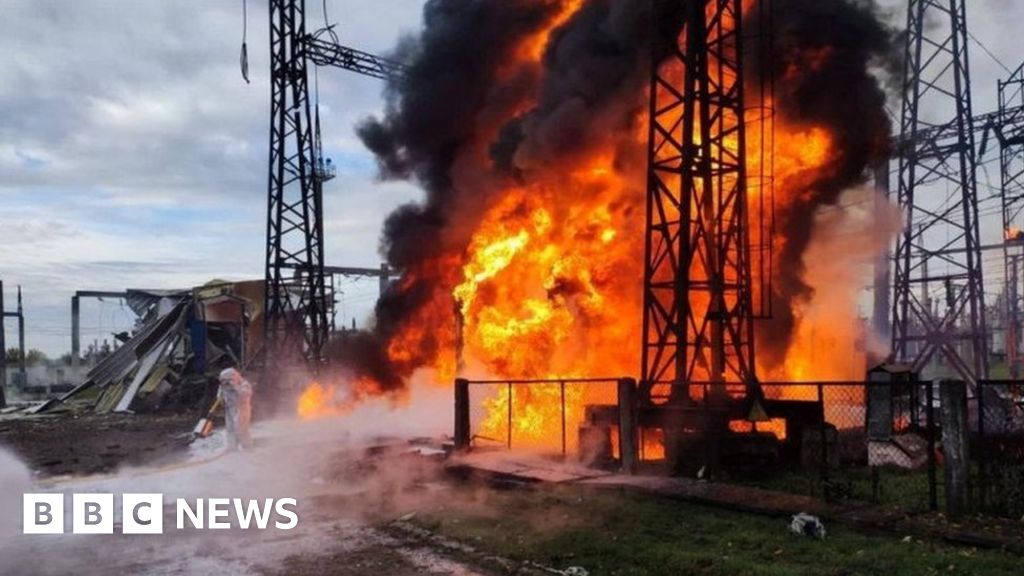
The Nova Scotia wildfire ban is more than a temporary restriction on backwoods travel – it is a warning flare for a region learning, again, that wildfire season no longer follows the old script. When officials close access to forests, trails, and wooded areas this early, it means conditions on the ground have crossed from manageable to dangerous. Dry fuel, shifting weather, and memories of recent destructive fires are forcing governments to act faster and more aggressively.
For residents, the pain point is immediate: lost access to outdoor spaces, disrupted routines, and growing anxiety about what another bad fire season could bring. For policymakers, the calculus is harsher. Move too slowly, and a single spark can turn into a multi-community emergency. Move quickly, and you face public frustration. Nova Scotia has decided that prevention now matters more than convenience later.
- Nova Scotia wildfire ban measures show officials are prioritizing prevention over public access.
- Dry conditions and elevated fire risk are turning spring into a frontline season.
- Forest closures affect residents, tourism, and local businesses long before flames appear.
- The policy reflects a broader Canadian shift toward faster, stricter wildfire responses.
- What looks like a local ban is really a climate, infrastructure, and public safety story.
Why the Nova Scotia wildfire ban matters now
This is the kind of decision governments make when the margin for error disappears. Restricting access to wooded areas is not simply a symbolic move. It is an attempt to reduce human-caused ignition at the exact moment landscapes become combustible. In wildfire management, fewer people in vulnerable zones means fewer campfires, fewer discarded cigarettes, fewer off-road vehicle sparks, and fewer rescue risks if conditions turn suddenly.
That matters because wildfire response has changed. Fire agencies are no longer just reacting to active blazes. They are trying to manage a chain of risk: weather, fuel moisture, human behavior, evacuation readiness, and strained emergency resources. A woods ban is one of the bluntest tools available, but also one of the clearest signals that officials believe the threat is credible.
When governments close the forest before a major blaze erupts, they are telling the public that the danger is not hypothetical.
Nova Scotia’s move lands in a country still shaped by recent wildfire disasters. Canadians have seen how quickly smoke can spread, how evacuation orders can displace thousands, and how fires can hit suburbs and rural communities alike. That recent memory changes the politics. What may once have seemed overcautious now reads as overdue.
What likely drove the restriction
Dry conditions are the real accelerant
Wildfires need fuel, ignition, and favorable weather. The fuel is already there in forest litter, deadwood, brush, and dry understory. When precipitation drops and temperatures rise, those materials become primed to burn. Officials do not need an active inferno to justify concern. They just need indicators showing forests can ignite easily and spread fire quickly.
That is why agencies increasingly rely on tools such as fire weather indexes, fuel moisture readings, and short-range forecast models. A ban can be triggered not only by current conditions, but by what meteorologists and fire managers believe the next few days could bring. If wind picks up after a dry spell, an avoidable spark becomes a regional threat.
Human activity remains a major risk factor
Natural causes like lightning matter, but many early-season fires begin with people. Recreational burning, equipment use, cigarettes, cooking flames, and vehicles entering dry brush all create opportunities for ignition. Restricting entry into wooded areas reduces those opportunities at scale.
There is also a practical layer to this. Fewer people in the woods means emergency responders can focus on prevention and suppression rather than public management. If a fire does start, they are not simultaneously trying to locate hikers, warn campers, or coordinate rescues in smoke-heavy terrain.
Institutional memory is shaping faster action
Nova Scotia does not need abstract climate models to understand the stakes. The province has already lived through destructive fires that disrupted communities, damaged homes, and forced evacuations. Once a region has been burned – literally and politically – officials become far less willing to gamble on optimism.
That is the deeper significance of the Nova Scotia wildfire ban. It reflects a government operating with scar tissue. Public officials know the criticism they may face for restricting access, but they also know the fallout from underreacting is much worse.
The broader Canadian wildfire playbook is changing
Across Canada, wildfire strategy is shifting from seasonal response to continuous readiness. That means provinces are more willing to issue early restrictions, communicate risk in more urgent language, and normalize temporary limitations on land use. The old expectation that peak fire danger arrives later in the year is fading.
This is where the story gets bigger than one province. Wildfire is no longer just a land management issue. It is tied to public health, energy infrastructure, insurance costs, municipal planning, and economic resilience. Smoke affects schools and hospitals. Evacuations stress transportation systems. Burned areas reshape watersheds and recovery budgets. A woods ban is one policy decision sitting on top of a much larger risk stack.
What used to be an environmental problem has become an all-systems problem.
That shift is forcing governments to think less about preserving normal access and more about preserving operational control. If officials sense they are one heat wave or one wind event away from crisis, they act sooner.
Who feels the impact first
Residents lose routine and peace of mind
For many people, wooded spaces are not luxury destinations. They are part of daily life: dog walks, hikes, hunting access, cottage travel, trail use, or work tied to rural land. A ban interrupts all of that. It also sends a psychological message that can be hard to ignore. If the woods are too dangerous to enter, then the season itself feels unstable.
Tourism and local business take an early hit
Restrictions ripple into campgrounds, guiding services, outdoor retailers, and hospitality operators who depend on spring traffic. Even if urban areas remain open and unaffected, the perception of danger can reduce bookings and discretionary spending. For small businesses, this matters because wildfire restrictions often arrive without much lead time, making staffing and inventory planning harder.
There is also a branding problem. Regions built around natural access do not want to become associated with closure, smoke, and uncertainty. But increasingly, adaptation requires admitting that some outdoor economies now depend on climate volatility they cannot control.
Emergency systems gain time
The upside is that early restrictions can buy precious time. Time for crews to pre-position resources. Time for municipalities to test communication workflows. Time for residents to review evacuation plans and defensible space around homes. In wildfire management, time is often the difference between a contained incident and a headline crisis.
What residents should do during a Nova Scotia wildfire ban
A woods ban is not just a rule to notice. It is a prompt to adjust behavior fast and seriously. The smartest response is to treat restrictions as the baseline, not the ceiling.
- Check official updates frequently because wildfire rules can change by region and by day.
- Avoid any activity that could generate sparks near dry grass, brush, or forest edges.
- Review evacuation essentials such as medications, documents, pet supplies, and phone chargers.
- Clear debris around homes where permitted and follow local fire safety guidance.
- Do not assume recent rain eliminates risk: surface moisture can be misleading if deeper fuels remain dry.
For households thinking more systematically, a simple emergency checklist can help:
go_bag = [ID, medications, water, flashlight, charger, pet_supplies, important_documents]
alerts = enabled
vehicle_fuel = full
That may look basic, but under stress, basic preparation beats improvisation every time.
Why this matters beyond one fire season
The Nova Scotia wildfire ban points to a future where emergency restrictions become a routine feature of life in places that once treated wildfire as episodic. That has consequences for governance and public expectations. Officials will need better risk communication, stronger local resilience plans, and more credible recovery frameworks. Citizens will need to adapt to a reality where access to natural spaces can be suspended quickly and with little room for debate.
It also raises harder policy questions. Are provinces investing enough in fuel management? Are communities at the forest edge built for recurring fire risk? Are emergency alerts reaching people quickly enough? Is insurance still aligned with the level of exposure many households now face? A woods ban does not answer those questions, but it forces them into view.
The uncomfortable truth is that bans and closures are reactive tools. Necessary, often effective, but still reactive. The deeper challenge is building systems that reduce the need for emergency restrictions in the first place. That means land-use planning, public education, resilient infrastructure, and fire-smart building standards. It also means accepting that the climate baseline has shifted.
The strategic takeaway
Nova Scotia’s decision is easy to read as a local inconvenience. That would be a mistake. It is better understood as a strategic signal: wildfire risk is arriving earlier, governments are becoming less tolerant of preventable ignition, and public access is increasingly conditional on environmental stability.
The message to residents is blunt but useful. Treat restrictions seriously, prepare earlier than you think necessary, and stop assuming the most dangerous part of fire season is still months away. The message to the rest of Canada is even bigger. What happens in Nova Scotia today could look familiar elsewhere tomorrow.
And that is why this ban matters. Not because it closes the woods for a while, but because it reveals how much the rules of spring have changed.
The information provided in this article is for general informational purposes only. While we strive for accuracy, we make no guarantees about the completeness or reliability of the content. Always verify important information through official or multiple sources before making decisions.