NYC Specialized Schools Face a Brutal Equity Reckoning
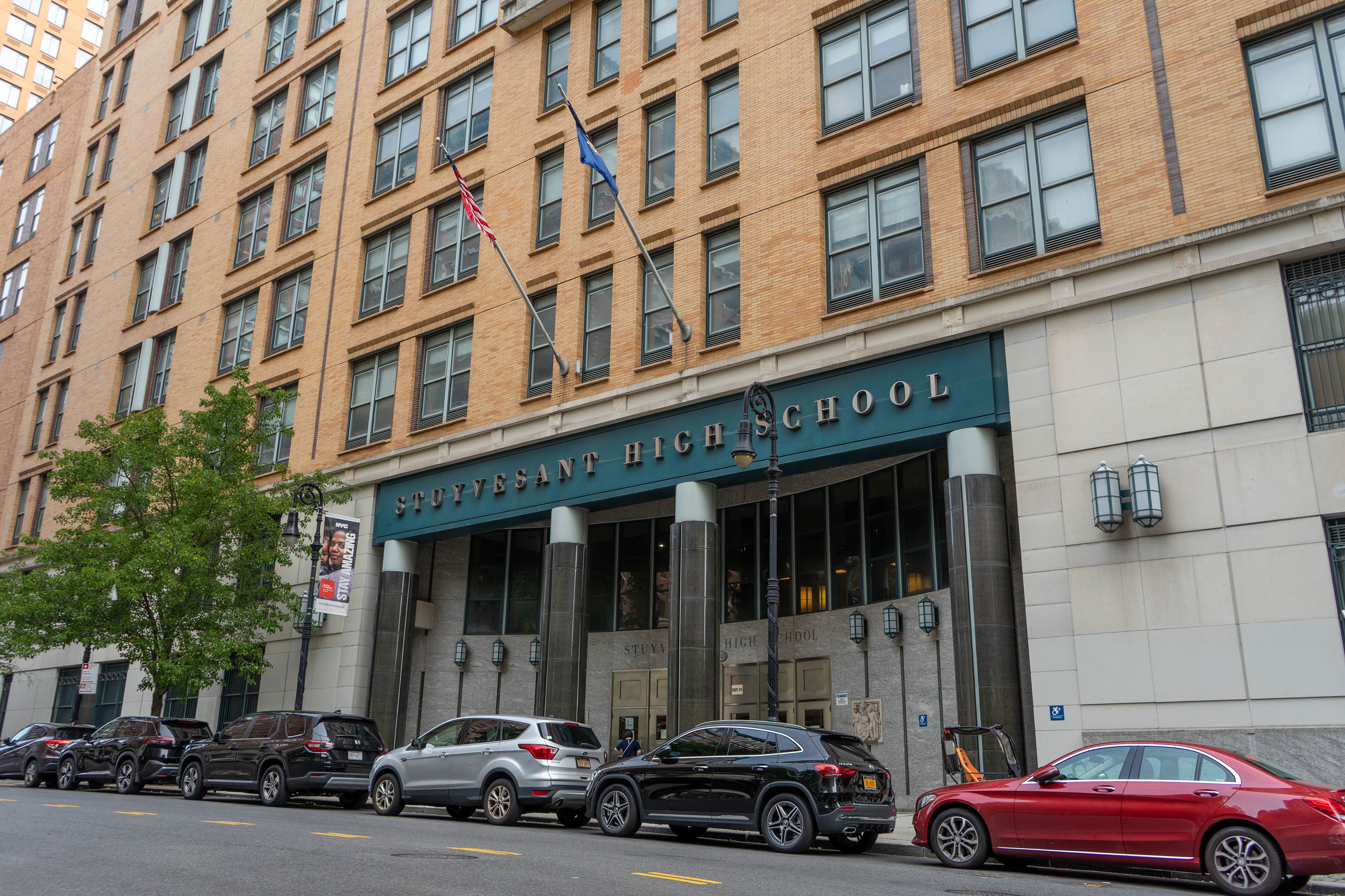
NYC Specialized Schools Face a Brutal Equity Reckoning
New York City’s specialized high schools have long been sold as the ultimate meritocracy: one test, one score, one shot at a prized seat. That story is cracking. The latest fight over NYC specialized schools is not just about admissions policy. It is about who gets access to elite public education, which families can afford the prep pipeline, and whether a system built around a single exam can still claim fairness in 2026. For Black and Hispanic students, the stakes are painfully familiar. For city leaders, the pressure is rising fast. Every new round of data turns the same debate into a sharper question: is this a talent system, or a sorting machine?
- The admissions model for
NYC specialized schoolsremains heavily shaped by a single test. - Access to prep resources continues to influence who performs best on the exam.
- Equity advocates argue the current system reproduces racial and economic gaps.
- Any reform must balance excellence, transparency, and political reality.
- The outcome will shape broader arguments about public school admissions nationwide.
Why the NYC specialized schools fight keeps coming back
The controversy is not new, and that is exactly the problem. New York’s specialized schools have spent decades at the center of one of the city’s most stubborn policy arguments: how to preserve academic rigor without turning admissions into a proxy for wealth, access, and test-prep advantage. The schools are among the city’s most prestigious public options, which makes every change to their admissions process feel existential.
What makes the debate so combustible is that both sides claim to defend fairness. Supporters of the current model argue that a standardized exam offers clarity and protects academic standards. Critics counter that the test measures opportunity as much as ability. If some students have years of tutoring, practice books, and family guidance while others are navigating crowded classrooms and fewer resources, then the score is not a pure measure of merit. It is a measure of the system around the student.
For many families, the issue is not whether standards matter. It is whether the current standard is built on unequal preparation from the start.
The admissions test is only part of the story
It is tempting to frame the problem as a debate over one exam. That is too narrow. The admissions pipeline starts long before students sit for the test. Middle school course quality, counseling, family awareness, and access to preparation all shape the outcome. In practice, the process rewards information-rich households that know how to navigate the city’s school system early and aggressively.
This is where the policy fight becomes less abstract. A student who has never heard of the exam until late in the process is already behind. A student whose family can pay for specialized prep has another advantage. A student in a school with strong counselors and teachers who actively coach applicants gets yet another boost. The result is a system that can appear neutral on paper while producing familiar racial and economic disparities in practice.
Why test prep matters so much
Test prep does not create intelligence, but it absolutely shapes performance. Familiarity with question types, timing pressure, and elimination strategies can materially change outcomes on a high-stakes exam. That matters in a city where a single score can determine whether a student enters a highly selective track or is shut out entirely.
That is one reason reforms have become so contentious. The more the city tries to widen access, the more critics warn that it risks diluting selectivity. But if the city does nothing, it effectively preserves a gatekeeping system that has already proven hard for many Black and Hispanic students to break through. There is no clean fix here. Only trade-offs.
What the debate over NYC specialized schools says about merit
The phrase “merit-based admissions” sounds objective, almost comforting. Yet merit is always shaped by design. Who gets to prepare? What is the test actually measuring? How much of a student’s performance reflects raw ability versus access to training?
That is why the debate around NYC specialized schools has become such a proxy fight for the future of public education. It forces a hard question that extends far beyond New York: should elite public institutions reward a single standardized signal, or should they account for broader indicators of potential?
There is a practical argument here too. A narrow admissions model can miss high-potential students who bloom later, or who come from schools where opportunities are unevenly distributed. It can also reinforce the idea that the best students are only those who learn how to play the admissions game early enough. That is a weak foundation for a public system that claims to serve everyone.
Equity is not the opposite of excellence
One of the laziest arguments in this debate is that widening access must mean lowering standards. That is not how strong school systems work. Better outreach, stronger test access, expanded academic support, and more transparent admissions rules can increase opportunity without abandoning rigor.
Done well, reform can surface more talent, not less. The problem is that reform is usually harder to implement than the slogan suggests. If policymakers only move at the margins, the underlying inequalities remain intact. If they move too aggressively without building trust, they risk backlash that can stall progress for years.
Equity reforms fail when they are treated as symbolic gestures instead of operational changes to how students learn, prepare, and apply.
What a smarter admissions model could look like
If New York wants a more credible system, it needs to stop pretending the current model is inevitable. There are several ways the city could make admissions both fairer and more durable.
- Expand universal outreach so every middle school student learns about the exam early enough to prepare.
- Provide free, citywide prep with structured practice and teacher support, not just optional materials.
- Use multiple measures alongside test scores to better identify potential.
- Track outcomes publicly so policymakers can see whether reforms actually change who gets in.
- Invest in earlier grades so access is not decided by a few months of cram-time.
These ideas are not radical. They are basic infrastructure for a public admissions system that wants legitimacy. If the city insists on keeping a high-stakes exam, then it has a responsibility to make preparation broadly available. Otherwise, the exam becomes less a merit test and more a market test.
Why this matters beyond New York
The battle over NYC specialized schools is a national story wearing a local badge. School districts across the United States are rethinking selective admissions, tracking, and gifted education because the old assumptions no longer hold up under scrutiny. Families are more aware of inequities. Students are more vocal about access. And policymakers are under pressure to show that public education is not just public in name.
That is why New York matters so much. The city is often treated as a laboratory for school policy, and what happens here tends to echo elsewhere. If the city can build a specialized admissions system that is both selective and meaningfully broader in reach, it could offer a blueprint for other districts. If it fails, the lesson will be equally clear: elite public schools can survive criticism for a long time, but not indefinitely.
The political reality is harder than the policy memo
There is always a gap between what sounds good in a reform plan and what survives in a citywide political fight. Parents of current and prospective students worry about any change that might affect their children’s chances. Alumni defend the prestige of the schools they attended. Advocates push for inclusion. Politicians calculate the blowback.
That tension explains why the issue keeps resurfacing without a final resolution. The admissions process is not just a technical design choice. It is a symbol of who New York believes its best public schools are for. And symbols are hard to change, especially when they have deep emotional and cultural weight.
The most likely path forward
The most realistic outcome is probably not a dramatic overhaul but a series of incremental adjustments: broader outreach, stronger prep access, more public reporting, and small changes to how students are evaluated. That may not satisfy reformers, but it may be the only politically survivable path.
Still, incrementalism has a cost. Every year that passes without meaningful change is another year the city accepts a system that many families experience as unfair. That is the central pressure point in the current debate. Not whether the schools are excellent. They are. The question is whether excellence can remain legitimate if access to it keeps looking this uneven.
The bottom line on NYC specialized schools
The fight over admissions is really a fight over what public excellence should mean. If New York wants specialized schools to represent talent in its broadest form, it will need to do more than defend the status quo. It will need to redesign the pipeline, not just inspect the outcome.
That is a harder political lift, but it is also the only path that avoids the same headline every few years. The city can keep calling the system merit-based. Or it can make it meaningfully fairer. Right now, it is trying to do both, and the contradiction is getting harder to ignore.
The information provided in this article is for general informational purposes only. While we strive for accuracy, we make no guarantees about the completeness or reliability of the content. Always verify important information through official or multiple sources before making decisions.