Phoenix Faces a Sulcata Tortoise Surge
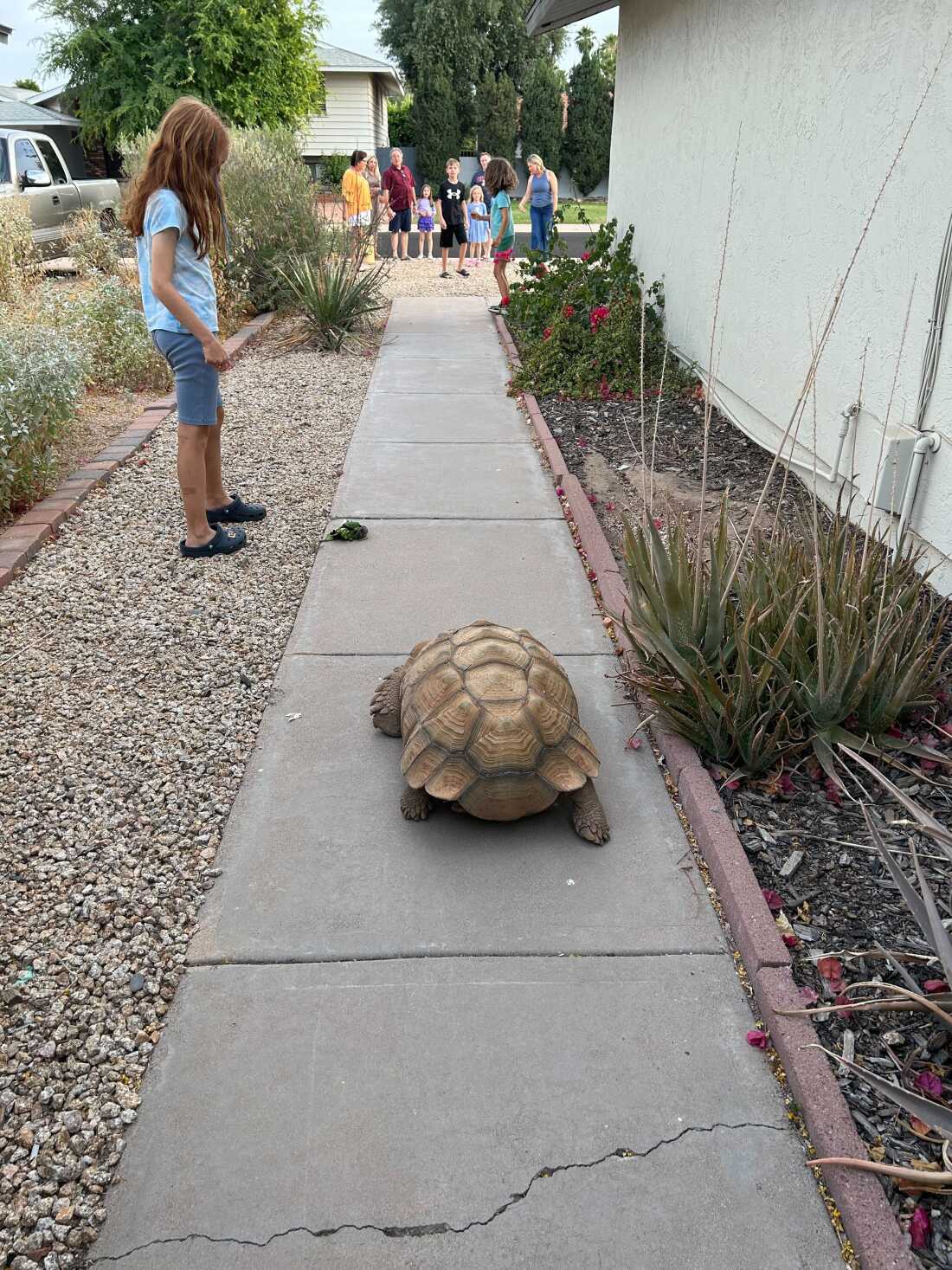
Phoenix Faces a Sulcata Tortoise Surge
The sulcata tortoise crisis in Phoenix is the kind of slow-moving problem that sneaks up on a city until it becomes impossible to ignore. What starts as an adorable, palm-sized exotic pet can turn into a 100-pound-plus logistical headache with decades of care, expensive habitat needs, and a brutal reality check for owners who underestimated the commitment. In Phoenix, that mismatch is now surfacing in rescues, shelters, and neighborhoods dealing with abandoned or surrendered tortoises that keep growing long after the novelty wears off.
This is not just a quirky local animal story. It is a sharp case study in what happens when social media aesthetics, casual pet buying, and weak owner education collide with biology. Sulcata tortoises are hardy, long-lived, and deceptively marketable. They are also powerful diggers, space-hungry herbivores, and a serious long-term obligation. Phoenix is learning that the hard way.
- Sulcata tortoise crisis in Phoenix is driven by owners underestimating size, lifespan, and care costs.
- These tortoises can live for decades, outgrow backyards, and become difficult to rehome.
- Rescues and local caretakers are absorbing the burden of abandoned exotic pets.
- The story highlights a broader failure in pet retail education and responsible ownership.
- Phoenix may be uniquely exposed because its climate makes keeping large tortoises seem easier than it really is.
Why the sulcata tortoise crisis in Phoenix keeps escalating
Sulcata tortoises, also known as African spurred tortoises, are often sold when they are small, manageable, and visually irresistible. That is the trap. As juveniles, they look like low-maintenance reptiles. As adults, they become one of the largest tortoise species commonly kept as pets. A buyer may think they are taking home a novelty animal. What they are really adopting is a multi-decade infrastructure project.
Phoenix is especially vulnerable to this dynamic. On paper, the hot climate appears well suited to a desert tortoise species. That creates a false sense of compatibility. Yes, warm temperatures reduce some housing challenges compared with colder regions. But the basics still matter: secure outdoor space, reinforced barriers, shade, hydration, diet management, and veterinary access for an exotic animal many general pet owners know little about.
When an exotic pet is marketed for its cuteness instead of its adult reality, the rescue system eventually pays the difference.
The current surge reflects a predictable arc. People bought the tortoises years ago. The animals kept growing. The owners’ lives changed. Yards got smaller, budgets got tighter, and what once felt charming became overwhelming.
The hidden math of owning a giant tortoise
One reason this story matters is that sulcata ownership breaks the normal consumer logic of pet buying. The purchase price can be relatively low compared with the lifetime cost. That gap distorts decision-making. A family may spend modestly upfront, then discover escalating expenses in fencing, shelter, substrate, food, supplements, and specialized vet care.
Size is the first shock
A hatchling fits in your hand. An adult can weigh well over 100 lbs, with some individuals much larger. That means a basic starter enclosure is not a temporary inconvenience – it is a misleading sales device if buyers are not fully briefed on the animal’s growth trajectory.
Lifespan is the second shock
Sulcatas can live for decades. For many owners, that means the animal can outlast leases, marriages, jobs, and even the owner’s own capacity to provide care. Rehoming becomes difficult because the next person must inherit not just a pet, but a major long-term responsibility.
Behavior is the third shock
These tortoises dig. They push. They bulldoze. They do not behave like decorative backyard ornaments. An underbuilt enclosure is an invitation to escape attempts, damaged landscaping, and neighborhood headaches. A determined sulcata can turn poor planning into a property problem surprisingly fast.
How Phoenix became a pressure point
Phoenix sits at the intersection of several trends: a warm climate, suburban yards, interest in unusual pets, and a regional culture that often treats outdoor animal keeping as straightforward. That combination makes sulcata ownership seem more practical than it really is. But practical is not the same as responsible.
The city also illustrates how local environments shape pet trends. In colder states, keeping a giant tortoise outdoors year-round is obviously unrealistic, which acts as a natural barrier to impulse adoption. In Phoenix, that barrier is weaker. The result is more people saying yes before asking the harder questions.
Then there is the rehoming bottleneck. Large exotic animals have a tiny adoption market. Most people do not want a full-grown sulcata, even if they think baby tortoises are charming. That mismatch leaves rescues carrying the burden for years.
Why rescues get overwhelmed
Unlike dogs and cats, exotic rescues operate with narrower expertise, tighter budgets, and more specialized space requirements. A sulcata is not easy to stack into a conventional shelter model. It needs room, heat management, controlled feeding, and handlers who know what they are doing. Every surrendered tortoise consumes time and land in ways that many municipal systems are not designed to absorb.
This is where the Phoenix story stops being anecdotal and starts looking systemic. If intake rises while adoption remains limited, rescues become permanent holding systems rather than transitional safety nets.
The bigger failure is not the tortoise
It is tempting to frame this as an owner problem alone, but that is too simple. The larger issue is an ecosystem that makes it easy to acquire a complex exotic pet without forcing a serious understanding of the commitment.
Retailers, breeders, online marketplaces, and even pet content creators all play a role here. The early-stage presentation of sulcatas often emphasizes manageable care sheets and cute visuals while downplaying the adult scale of the animal. That imbalance is not always malicious, but it is consequential.
The gap between how a
4-inchtortoise is sold and how a full-grown sulcata actually lives is where abandonment begins.
There is also a culture problem. Exotic pets are too often purchased as identity accessories – something unusual, photogenic, or conversation-starting. That framing works beautifully for sales and terribly for animal welfare.
What responsible ownership should actually look like
The Phoenix tortoise story is a reminder that responsible ownership begins before purchase, not after the first problem appears. For anyone considering a sulcata, the baseline questions should be blunt.
- Can you house a giant tortoise for decades?
- Do you have secure outdoor space built for digging and pushing?
- Can you afford exotic veterinary care?
- Do you understand the dietary and environmental needs beyond a basic pet store summary?
- Do you have a succession plan if your housing or health changes?
That last point matters more than many people realize. Long-lived animals require life planning. If your answer depends on ideal circumstances lasting forever, it is not a plan.
Pro tip for prospective owners
If the enclosure plan exists only as a sketch in your head, you are not ready. At minimum, owners should be able to define habitat dimensions, barrier materials, shade coverage, feeding routine, and seasonal care adjustments before bringing a tortoise home.
In practical terms, a serious owner thinks in systems, not accessories. The checklist should look less like impulse retail and more like infrastructure:
Outdoor enclosurewith reinforced perimeterShade structureand weather protectionWater accessand soak routineDiet plancentered on appropriate grasses and greensVet contactfor exotic animal care
What policymakers and local communities could do next
The sulcata tortoise crisis in Phoenix raises an uncomfortable but necessary question: should exotic pet ownership face stricter disclosure rules or local oversight? That does not automatically mean bans. It could mean more transparent point-of-sale education, mandatory care disclosures, or waiting periods for certain species.
There is precedent for this kind of thinking across animal welfare and consumer protection. When a product or living creature carries unusually high long-term obligations, the buyer should encounter more friction, not less. Friction can be a feature. It weeds out bad-fit ownership before rescues inherit the consequences.
Possible interventions that would matter
- Standardized adult-size and lifespan disclosures at sale.
- Local licensing for large exotic reptiles.
- Rescue support partnerships tied to breeder or seller activity.
- Public awareness campaigns focused on long-term care realities.
- Surrender prevention programs before abandonment occurs.
None of these are glamorous. All of them are more effective than acting surprised years later when giant tortoises start overwhelming local rescue capacity.
Why this matters beyond Phoenix
This is bigger than one city and one species. The Phoenix case exposes a modern pet economy built on low-friction acquisition and high-friction responsibility. That model fails repeatedly, whether the animal is a giant tortoise, a large parrot, or another exotic species sold young and abandoned old.
There is also a useful lesson here for readers outside Arizona: climate compatibility does not eliminate complexity. A place that seems naturally suited to an animal can still produce bad outcomes if owners are uninformed or overconfident.
For the tech-minded and systems-oriented, this looks like a classic downstream-cost problem. The market rewards the easy sale. The hard maintenance gets externalized to families, neighborhoods, nonprofits, and local care networks. By the time the burden is visible, the original transaction is long over.
Phoenix is not just dealing with unwanted tortoises. It is dealing with the aftereffects of a convenience-driven pet marketplace.
The real takeaway
Sulcata tortoises are not bad pets because they are difficult animals. They become bad pet outcomes when people buy them without accepting what they are. That distinction matters. The animal is behaving exactly as biology designed it to behave: growing large, living long, digging hard, and demanding space. The failure happens when humans project a small-pet fantasy onto a giant reptile reality.
Phoenix is now seeing the results in real time. Rescues are strained. Owners are overwhelmed. Communities are left to handle an avoidable problem that was years in the making. If there is a silver lining, it is that this story is clear enough to function as a warning. Cute scales do not reduce commitment. Warm weather does not equal easy care. And when an exotic pet seems simple at the point of sale, that is usually the moment to ask much harder questions.
The information provided in this article is for general informational purposes only. While we strive for accuracy, we make no guarantees about the completeness or reliability of the content. Always verify important information through official or multiple sources before making decisions.