Turn Your Lawn Into a Wildlife Garden
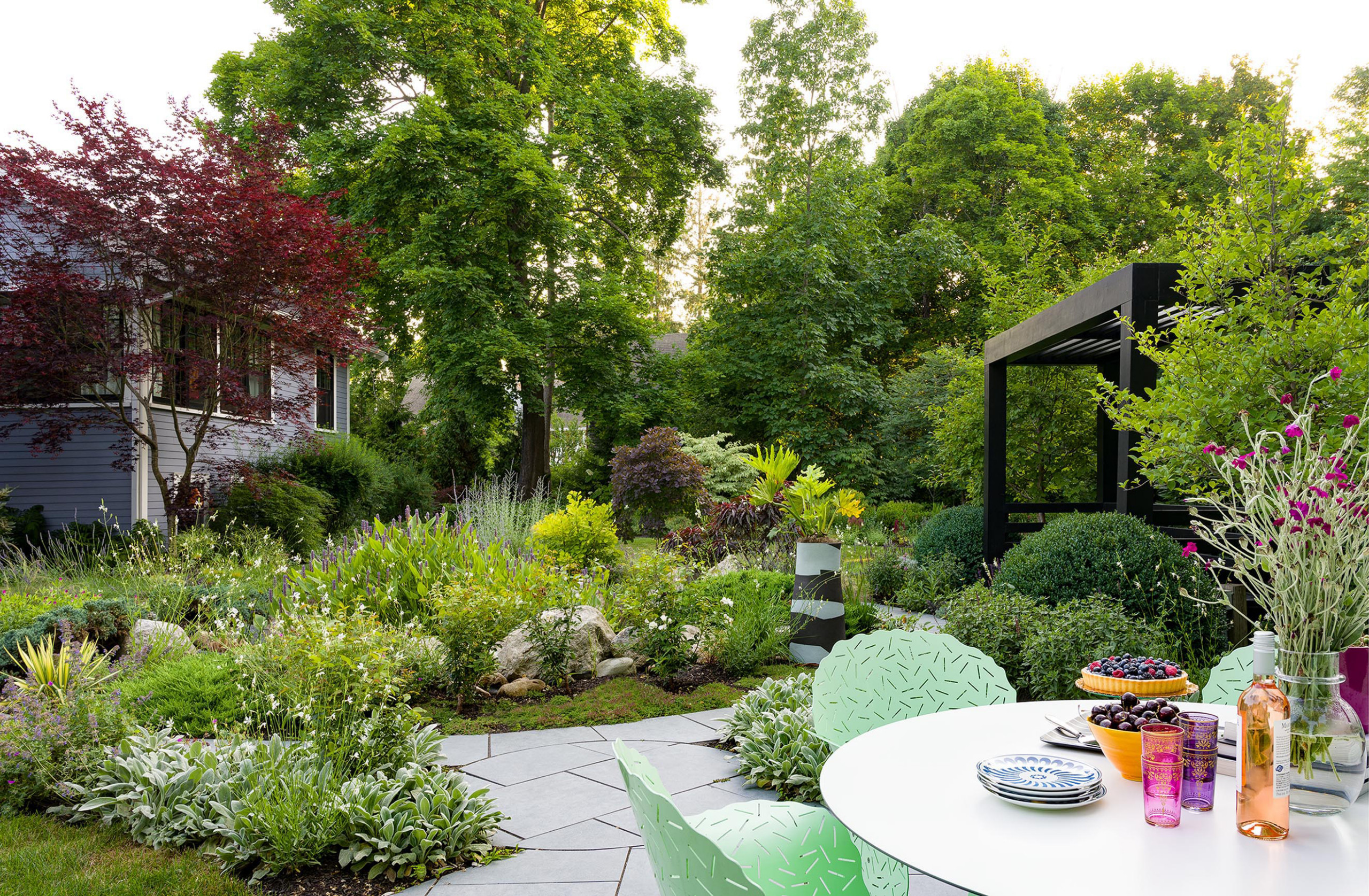
Turn Your Lawn Into a Wildlife Garden
The old suburban lawn is starting to look less like a status symbol and more like a liability. It drinks water, demands fertilizer, burns weekends, and gives almost nothing back to the local ecosystem. At the same time, homeowners are under growing pressure from hotter summers, rising maintenance costs, and a visible decline in pollinators and birds. That is why the wildlife-friendly garden has moved from niche hobby to practical upgrade. If your yard is mostly grass, you are sitting on one of the easiest opportunities to cut upkeep and add real ecological value. The shift does not require a total rewilding fantasy or a landscape architecture degree. It requires a smarter plan: remove what is not working, plant what belongs, and build a yard that can support life instead of suppressing it.
- A wildlife-friendly garden can reduce watering, mowing, and chemical inputs while supporting pollinators and birds.
- You do not need to replace your entire lawn at once: starting with small sections often works better.
- Native plants are usually the highest-impact choice because they match local insects, soil, and climate.
- Structure matters as much as species: shelter, water, layered planting, and seasonal bloom extend habitat value.
- The best results come from designing for your region, not copying a generic internet meadow.
Why a wildlife-friendly garden beats a traditional lawn
A conventional lawn is a monoculture. It is visually tidy, but ecologically thin. Grass cut short offers little nectar, limited shelter, and almost no food web complexity. That matters because insects are the base layer for much of the backyard ecosystem. If your landscape cannot support insects, it cannot reliably support birds, amphibians, and many beneficial species higher up the chain.
A wildlife-friendly garden, by contrast, works like a living system. Flowers feed pollinators. Seed heads feed birds. Dense stems create nesting and overwintering space. Deeper-rooted plants improve soil structure and often tolerate drought better than turf. You are not just changing the look of a yard: you are changing what the yard does.
Key insight: The biggest upgrade is not aesthetic. It is functional. A wildlife garden turns passive square footage into habitat.
Start small and design for success
The fastest way to fail is to rip out everything and improvise. A more durable strategy is to convert the lawn in phases. Start with the parts of the yard that already underperform: dry slopes, hard-to-mow edges, narrow side yards, or patches that go brown every summer. These are usually the highest-friction lawn zones and the easiest wins for habitat planting.
Pick the right section first
Look for areas with one or more of these traits:
- High maintenance, low reward: places that need constant watering or repeated seeding.
- Low foot traffic: spaces no one actually uses for play or seating.
- Natural opportunity: fence lines, tree edges, mailbox strips, and foundation beds.
- Poor turf performance: shade, compacted soil, or runoff-prone spots.
That approach lowers risk and gives you a test bed. You learn what grows well before scaling up.
Observe before you plant
Track sunlight, drainage, wind exposure, and how water moves after a storm. A wildlife garden succeeds when plants fit conditions. Put moisture-loving species where water collects. Use dry-tolerant species in hot, exposed areas. If you skip this step, you are not gardening for wildlife: you are running an avoidable replacement cycle.
How to remove grass without creating a mess
Lawn removal is where enthusiasm often meets reality. There are several ways to do it, and the best one depends on timing, budget, and patience.
Sheet mulching
This is one of the most accessible options. Cover the grass with layers of cardboard or thick paper, soak it, then top with compost and mulch. Over time, the grass decomposes underneath.
- Pros: low chemical use, improves soil, relatively simple.
- Cons: takes time, can look rough in the short term, not ideal for every weed problem.
Solarization
Clear plastic traps heat and can kill grass and some weed seeds in hot conditions. It works best in sunny weather and usually needs time.
- Pros: effective in the right climate.
- Cons: visually harsh, weather-dependent, can disrupt soil biology if overused.
Manual removal
Cutting and lifting sod gives immediate results, but it is labor intensive. It makes sense for smaller sections or where planting needs to happen quickly.
- Pros: fast and precise.
- Cons: physically demanding and potentially expensive if outsourced.
Pro tip: Avoid replacing grass with bare soil and vague plans. Remove only what you are prepared to plant and mulch. Exposed ground quickly becomes a weed invitation.
Choose native plants that actually support wildlife
This is the core of the whole project. Not all pretty plants are equally useful. Many ornamental species look pollinator-friendly but provide limited value compared with regionally native plants that evolved alongside local insects and birds.
The phrase to remember is right plant, right place. A good wildlife-friendly garden is not random abundance. It is targeted diversity.
What to prioritize
- Native flowering plants for nectar and pollen across multiple seasons.
- Host plants for caterpillars and specialist insects, not just adult pollinators.
- Shrubs and small trees for nesting cover, berries, and vertical structure.
- Grasses and sedges for shelter, texture, and ecological balance.
If you only plant a few showy blooms, you create a snack bar. If you plant a layered system, you create habitat.
Think in bloom windows
One of the easiest mistakes is designing for a single peak season. Wildlife needs food over time. Aim for early spring flowers, strong summer bloom, and fall resources such as asters, goldenrods, seeds, and berries. Leave some stems standing through winter, because many beneficial insects use hollow stems and leaf litter to overwinter.
What matters most: A wildlife-friendly garden is not just about feeding bees in June. It is about supporting an entire lifecycle across seasons.
Build habitat, not just a planting bed
Plants are the foundation, but a high-performing wildlife garden includes more than flowers. Habitat quality rises when you add the features animals actually need to survive.
Layer your space
Think in vertical zones:
- Ground layer: low plants, leaf litter, mulch used carefully.
- Mid layer: perennials, bunch grasses, and dense cover.
- Upper layer: shrubs or small trees for nesting, shade, and berries.
This layered structure gives insects places to hide, birds places to forage, and your yard a more intentional look.
Add water carefully
A shallow water source can make a major difference. A small basin with stones for landing spots is often enough. The key is maintenance. Refresh water regularly so it stays usable and does not become a mosquito problem.
Leave some wildness
This is the part many homeowners resist. Dead stems, seed heads, and leaf litter can look unfinished if you are used to a tightly managed lawn. But ecological function often lives in the details that standard landscaping removes.
That does not mean letting everything go. It means editing strategically. Keep paths crisp, edges defined, and gathering areas intentional. A little structure makes habitat feel designed rather than neglected.
How to keep a wildlife-friendly garden looking intentional
There is a real social layer to this transition. Neighbors may accept a lush planting bed more easily than a yard that appears abandoned. The best wildlife gardens bridge ecology and legibility.
Use visual cues that signal care
- Define borders with stone, steel, brick, or mown edges.
- Repeat plant groupings instead of scattering one of everything.
- Include a path, bench, or focal shrub for structure.
- Keep the front edge lower and the back edge taller.
This is not just landscaping advice. It is political strategy for the suburban block. People tend to support biodiversity when it looks deliberate.
Common mistakes that undermine the whole project
Converting lawn to habitat is simple in concept, but several errors show up again and again.
- Planting invasive species: some fast-spreading plants are marketed aggressively but create long-term ecological problems.
- Over-mulching: too much mulch can suppress beneficial ground activity and reduce reseeding.
- Using pesticides: even selective products can undercut the species you are trying to attract.
- Ignoring maintenance in year one: new native plantings still need watering, weeding, and observation while they establish.
- Expecting instant polish: ecological gardens mature over time. Early stages can look sparse before they fill in.
Pro tip: If you are unsure about a plant, label it and monitor it before buying multiples. A small trial is cheaper than a large regret.
Why this shift matters beyond your yard
It is easy to frame a wildlife-friendly garden as a lifestyle upgrade, but the broader impact is bigger than that. Urban and suburban land covers enormous area. When thousands of small private yards become even modestly more habitat-friendly, the cumulative effect is real. Pollinator corridors improve. Stormwater infiltration improves. Chemical use can decline. Heat can be moderated by denser, more diverse planting.
This is one of the rare environmental actions that scales through ordinary people making practical decisions at home. You do not need to wait for a massive infrastructure project or a new consumer device. You can change the ecological output of your property with a shovel, a planting plan, and better priorities.
The future of the lawn is less lawn
The old model of turf everywhere is losing its logic. It costs more, asks more, and contributes less than many homeowners once assumed. The wildlife-friendly garden is not a compromise for people willing to tolerate a mess. At its best, it is a smarter landscape system: lower-input, climate-aware, visually rich, and biologically useful.
That is why this shift is gaining traction. It aligns aesthetics with resilience. It gives homeowners a credible path away from endless mowing and watering. And it responds to a harder truth that landscaping culture ignored for too long: decorative land should still do something.
If you are looking at a patch of grass and wondering whether it could become more, the answer is yes. Start with one strip, one bed, one edge. Build it well. Watch what returns. A better yard is not just greener. It is alive.
The information provided in this article is for general informational purposes only. While we strive for accuracy, we make no guarantees about the completeness or reliability of the content. Always verify important information through official or multiple sources before making decisions.