Power Up the New AI Data Center Race
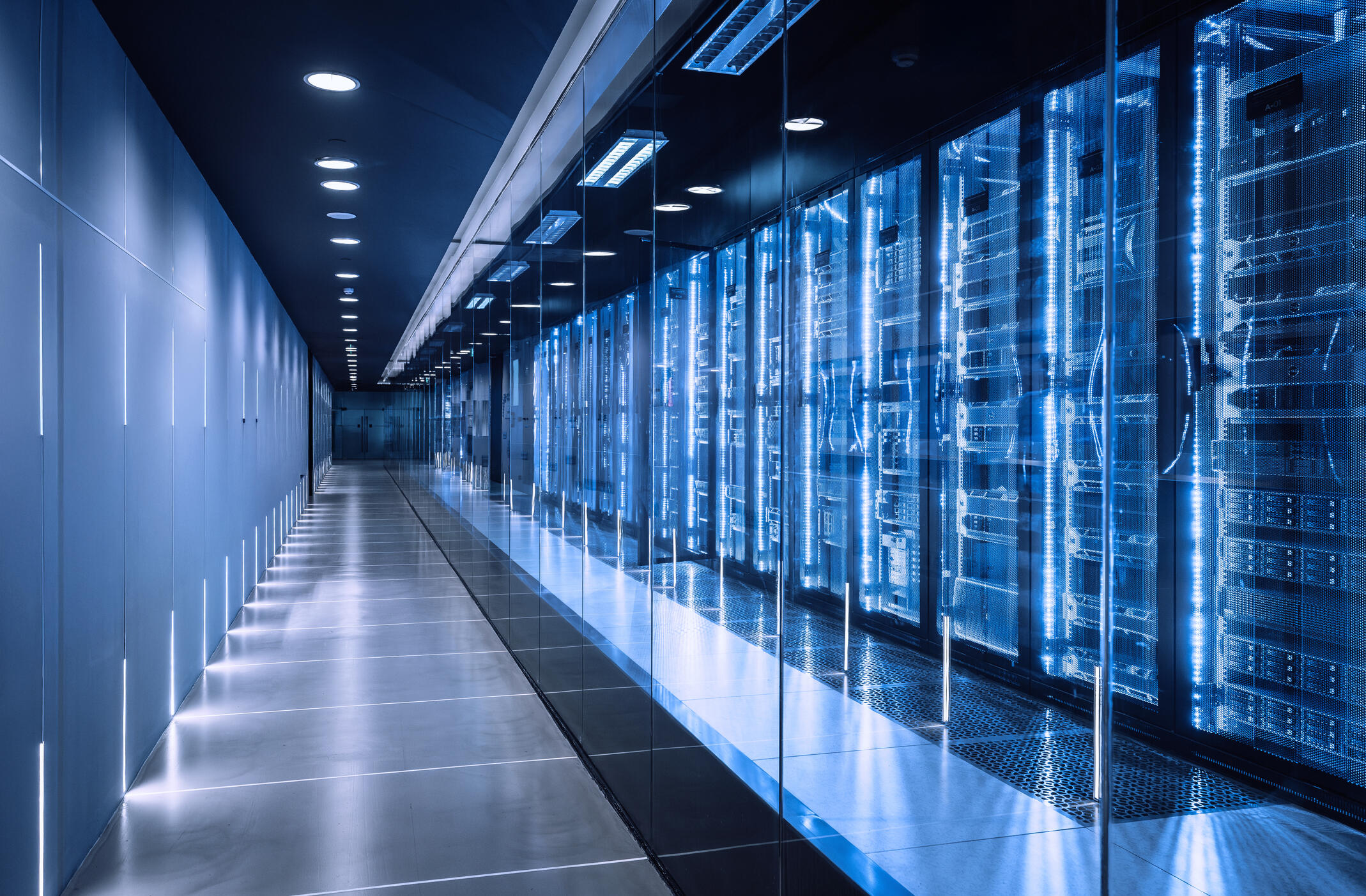
AI data centers are becoming the new battlefield
AI data centers are no longer a niche infrastructure story hidden behind server racks and procurement decks. They are now a strategic chokepoint for the next phase of computing, where access to power, land, chips, and cooling can matter as much as model quality itself. If your company depends on cloud services, enterprise AI, or digital platforms, this shift is going to touch your costs, latency, and long-term resilience. The race is not just about building bigger facilities. It is about building smarter ones that can handle dense GPU workloads, rising electricity demand, and the brutal economics of keeping AI systems online at scale. That is why the fight over AI data centers is suddenly drawing in hyperscalers, utilities, chipmakers, and policymakers at the same time.
- AI data centers are now a core competitive advantage, not just backend infrastructure.
- Power availability and cooling are becoming as important as chips and software.
- Companies that plan early can reduce latency, costs, and operational risk.
- The next wave of AI growth will reward firms that align infrastructure with workload demand.
Why AI data centers matter now
The simplest way to understand the shift is this: AI workloads are fundamentally different from traditional cloud workloads. They are heavier, hotter, and more power-intensive. Training frontier models and serving real-time AI features require specialized hardware, dense networking, and facilities built to absorb massive electrical loads without choking on heat. That makes AI data centers a board-level issue.
For years, the cloud story was about scale and flexibility. Today, the story is about capacity constraints. Even the biggest operators are running into practical limits around grid access, equipment lead times, and the time it takes to bring new sites online. The companies that can secure reliable capacity first are effectively buying speed for every product team that sits on top of the infrastructure.
AI infrastructure is no longer background plumbing. It is the foundation that determines who can ship, who can scale, and who gets priced out of the race.
The economics behind the AI data center boom
The economics are changing quickly because AI does not behave like standard enterprise compute. A single AI-ready facility can consume enormous amounts of power, and that power must be delivered continuously. This raises operating costs, but it also changes capital planning. Developers need to think about transformers, substations, backup generation, fiber access, and cooling design years before the first workload goes live.
There is also a strategic tradeoff. Building an AI data center close to users can improve response times and reliability, but it can be harder and more expensive to secure power in dense urban markets. Building in cheaper regions may ease utility costs, but it can create latency challenges and complicate compliance. The best operators are not choosing one path blindly. They are segmenting workloads so training jobs, inference traffic, and internal enterprise systems each land in the environment that fits best.
Power is the real bottleneck
Chips get the headlines, but electricity is often the real limiting factor. Advanced GPUs are useless if the site cannot support enough megawatts to feed them. That is why AI data center operators are increasingly negotiating directly with utilities and local governments, trying to lock in predictable energy access before competitors do. In some markets, the bottleneck is not money. It is permits, transmission capacity, and the patience to wait for grid upgrades.
This creates a ripple effect across the technology sector. Cloud providers with deeper pockets can secure more capacity and move faster. Smaller firms may have to rent compute instead of building it, which increases dependency and can slow innovation. That dynamic may sound familiar because it is. Infrastructure scarcity has always reshaped computing. The difference now is the scale.
Cooling has become a product decision
As AI workloads intensify, cooling stops being an afterthought and becomes a product-level choice. Air cooling may still work for some environments, but many AI data centers are moving toward more advanced designs that can manage thermal loads more efficiently. That can include liquid cooling and rack layouts optimized for dense compute clusters.
For operators, the choice affects more than engineering. It influences uptime, maintenance, density, and expansion plans. For customers, it affects reliability and the pace at which new AI features can roll out. If the infrastructure cannot dissipate heat efficiently, it caps how much compute can be deployed, which in turn limits how ambitious the product roadmap can be.
AI data centers and the cloud power struggle
The rise of AI data centers is also changing bargaining power across the cloud ecosystem. Hyperscalers are racing to expand capacity, but the demand curve is volatile. Enterprises want AI services now, yet many are still figuring out what workloads justify premium infrastructure. That means providers are balancing aggressive expansion against the risk of overbuilding.
At the same time, chipmakers are pushing ever more capable accelerators into the market, which creates a feedback loop. Better chips encourage denser deployments, which increases power and cooling demands, which then forces new infrastructure investment. Every gain in model performance seems to drag another layer of physical constraint into view.
There is a quiet irony here: the most futuristic part of tech is now being limited by the oldest constraints in industrial development – land, wiring, water, and permits.
What companies should do now
If you are a technology leader, the lesson is not to wait for the market to settle. It will not. The companies that respond best will be the ones that treat AI data centers as part of their operating strategy, not a procurement problem to be solved at the last minute.
- Audit workload types: Separate training, inference, analytics, and general cloud usage so each can be matched to the right infrastructure.
- Plan for power early: Treat utility access and expansion timelines as critical-path dependencies.
- Design for flexibility: Favor modular deployments that can scale without forcing a full rebuild.
- Measure total cost: Include energy, cooling, networking, and uptime losses, not just raw compute rates.
- Build vendor optionality: Avoid locking every workload into one architecture, one region, or one provider.
Pro tip for enterprise teams
When evaluating an AI deployment, do not just ask whether the hardware is fast enough. Ask whether the site can support the workload three years from now. That means checking power headroom, cooling design, physical expansion options, and the supplier timeline for critical components. The cheapest location on paper can become the most expensive one if it stalls deployment or forces emergency redesigns later.
Workload fit = compute intensity + latency need + energy profile + compliance constraints
Why this matters beyond Big Tech
The consequences of the AI data center boom will not stay inside the cloud market. Energy grids will feel the strain. Local economies will compete for investment. Regulators will face harder questions about sustainability, water use, and regional planning. And businesses that rely on cloud AI will feel the pressure through pricing, service quality, and product availability.
There is also a broader competitive issue. If only a handful of companies can afford the infrastructure required for leading AI systems, innovation may narrow around those players. That does not mean smaller firms are doomed. It means they will need to be more selective, more efficient, and more creative about where they run workloads and how they consume AI services.
The next phase will reward infrastructure realism
The next chapter of AI will not be won by hype alone. It will be won by organizations that understand the physical limits beneath the software layer. AI data centers are the point where ambition meets engineering reality, and that is exactly why they matter so much. The winners will be those who can turn power, cooling, and capacity into a durable advantage rather than an emergency patch.
If you are making decisions about AI adoption now, this is the moment to think like an infrastructure strategist. The model may be the headline, but the data center is where the future gets built.
The information provided in this article is for general informational purposes only. While we strive for accuracy, we make no guarantees about the completeness or reliability of the content. Always verify important information through official or multiple sources before making decisions.