Rabid Bat Warning Hits New England Zoo
Rabid Bat Warning Hits New England Zoo
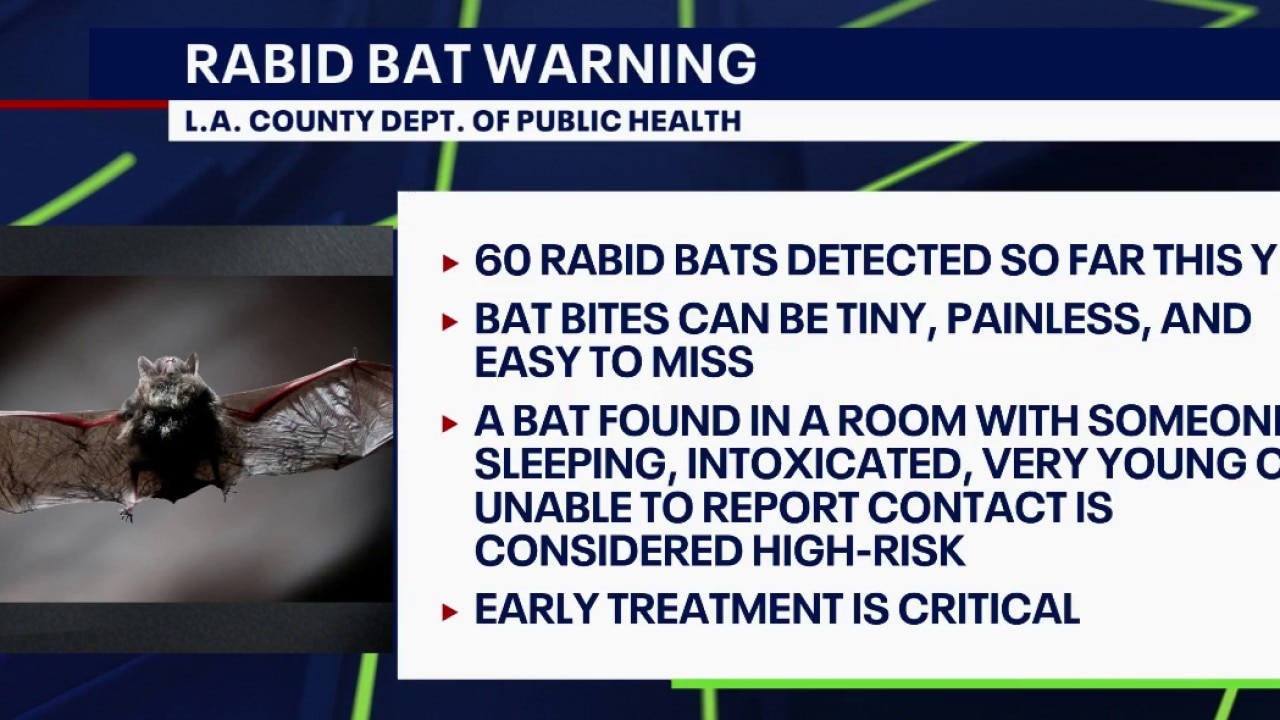
A rabid bat warning at a New England zoo is the kind of public health alert that feels small until it is not. One bat, one possible exposure, one missed bite mark – that is all it takes for rabies risk to become urgent. Health officials are warning visitors after a bat found at the zoo was considered potentially infected, a scenario that raises real questions for families, staff, and anyone who spent time near animal habitats. The frustrating part is that bat encounters are easy to underestimate. A bite can be tiny, painless, or unnoticed, especially with children. The smart move now is not panic. It is fast triage, clear documentation, and a call to a medical professional if there is any chance of direct contact.
- Officials issued a public warning after a possibly rabid bat was found at a New England zoo.
- Direct contact matters most, including bites, scratches, or waking near a bat.
Rabiesis preventable ifpost-exposure prophylaxisbegins before symptoms appear.- Visitors should document details such as location, time, and whether skin contact occurred.
- Do not handle bats, even if they appear sick, grounded, or dead.
Rabid Bat Warning and Why It Escalates So Quickly
A zoo is built around controlled encounters. Fences, glass, keeper protocols, feeding rules, and signage all exist to manage risk. But bats complicate that system because they are mobile, nocturnal, and capable of squeezing into tight spaces. When one is found in a public setting and cannot be ruled out for rabies, officials have to move quickly.
The core issue is not that every bat is dangerous. Most bats are not infected, and they play a critical ecological role by eating insects and supporting healthy ecosystems. The problem is that rabies is almost always fatal once symptoms begin. That reality changes the public health math. Even a low-probability exposure gets treated seriously because the downside is catastrophic and the prevention window is time-sensitive.
The practical rule is simple: if a bat may have touched you, bitten you, scratched you, or been near a sleeping child or impaired adult, treat it as a medical question, not a wildlife curiosity.
Rabid Bat Warning Checklist for Zoo Visitors
If you visited the zoo around the time of the warning, the first step is to think in specifics. Public health investigators are not looking for vague anxiety. They need details that help determine whether rabies exposure is plausible.
- Where were you? Note the exhibit, restroom, walkway, picnic area, or indoor space where the encounter happened.
- When were you there? Record the date and approximate time, even if it is not exact.
- Was there direct contact? Any touch, scratch, bite, or collision with a bat matters.
- Was anyone asleep or unable to report contact? This includes infants, young children, and people with sensory or cognitive limitations.
- Did you see a grounded bat? A bat on the ground, acting strangely, or unable to fly should be treated as a red flag.
Pro Tip: Write the details in your phone before calling a doctor or local health department. Use a simple format: date, time, location, contact type, and people involved. That small bit of structure can speed up the decision about care.
What Counts as Exposure
Health officials typically worry about rabies exposure when saliva or nervous tissue from an infected animal could enter broken skin, eyes, nose, mouth, or a wound. With bats, the threshold for concern is lower because bites can be hard to detect. A person might not feel the bite, and the mark may fade quickly.
That is why scenarios like a bat in a bedroom, a bat near an unattended child, or a bat found in a space with someone who was sleeping can require follow-up even without a visible wound. It feels cautious because it is. The caution is the point.
What Does Not Usually Count
Seeing a bat fly overhead, watching one from a distance, or being in the same large outdoor area without contact generally does not qualify as a meaningful exposure. Rabies does not spread through the air, and it is not transmitted by simply being near an animal. The risk hinges on contact and the possibility of saliva entering the body.
Why Rabies Is a Different Kind of Health Threat
Many public health warnings compete for attention, and most fade quickly. Rabies is different because it has an unusually stark timeline. Before symptoms, it is preventable. After symptoms, survival is extraordinarily rare.
The preventive treatment is known as post-exposure prophylaxis, often shortened to PEP. It is not a casual precaution, but it is highly effective when started in time. The regimen usually includes wound cleaning, rabies immune globulin when indicated, and a series of rabies vaccine doses. A clinician determines what is appropriate based on the exposure history and prior vaccination status.
The danger is delay. The incubation period for rabies can vary, sometimes lasting weeks or longer, which can create false confidence. Waiting for symptoms is exactly the wrong strategy. Fever, tingling near a bite, confusion, difficulty swallowing, and neurological changes are late warning signs, not early decision points.
What Parents Should Do After a Zoo Bat Alert
Parents face the hardest version of this situation because children are not always reliable narrators. A child may say a bat was cute, scary, or nearby without being able to explain whether it touched them. That ambiguity is uncomfortable, but it is manageable.
- Ask neutral questions. Try: Did anything touch your arm or face? Did you pick anything up? Did an animal bump into you?
- Check exposed skin. Look at hands, arms, neck, scalp, ears, and face for tiny marks.
- Do not rely on pain. A bat bite may not hurt enough to be remembered.
- Call if unsure. A pediatrician or public health official can help decide whether
PEPis needed.
The most important parental instinct here is not fear. It is documentation. If your child was never close to the bat, that matters. If your child touched something that looked like a bat, that matters more. If the child cannot say, the decision may tilt toward caution.
What Zoos Must Prove Now
For the zoo, the public health warning is only the first step. The bigger challenge is trust. Visitors need to know that the institution is reviewing how the bat entered a public area, whether staff followed reporting protocols, and whether animal areas, food spaces, indoor exhibits, and visitor paths are being rechecked.
That does not mean the zoo failed. Bats are wild animals and can appear in unexpected places, especially around dusk, food sources, barns, trees, and older structures. But public-facing animal facilities are judged by how quickly they communicate, how clearly they coordinate with health officials, and how transparent they are about next steps.
The credibility test is not whether a zoo can promise zero wildlife encounters. It is whether it can detect risk early, communicate plainly, and help visitors make informed medical decisions.
Future Implications for Public Venues
This incident points to a broader reality for parks, zoos, farms, camps, and outdoor event spaces. Human recreation increasingly overlaps with wildlife habitat. Climate shifts, urban expansion, changing insect populations, and older infrastructure can all affect where bats roost and how often people encounter them.
Expect more venues to tighten wildlife surveillance, staff training, and visitor reporting systems. The best version of that future is not alarmist. It is practical: better signage, clearer incident hotlines, faster coordination with local health departments, and staff trained to isolate an animal without direct handling.
Public health also has a messaging problem to solve. People hear rabies and either panic or dismiss it as rare. The more useful message is sharper: rare does not mean irrelevant, and preventable does not mean optional.
Bottom Line on the Rabid Bat Warning
The New England zoo alert should be treated as a serious but manageable health event. If you had no contact with the bat and were not in a situation where contact could have gone unnoticed, your risk is likely low. If you were bitten, scratched, touched a bat, handled one, or are unsure about a child or sleeping person, contact a healthcare provider or local health department promptly.
Do not attempt to capture or dispose of bats yourself. Do not wait for symptoms. Do not crowdsource a medical decision from social media photos. The right response is boring, fast, and effective: document the encounter, get professional guidance, and start post-exposure prophylaxis if officials recommend it.
A single bat can trigger a major warning because rabies leaves almost no room for late decisions. That is the lesson for visitors and venues alike. The risk may be small, but the response has to be immediate.
The information provided in this article is for general informational purposes only. While we strive for accuracy, we make no guarantees about the completeness or reliability of the content. Always verify important information through official or multiple sources before making decisions.