Ranch Dressing Wins Big
Ranch Dressing Wins Big
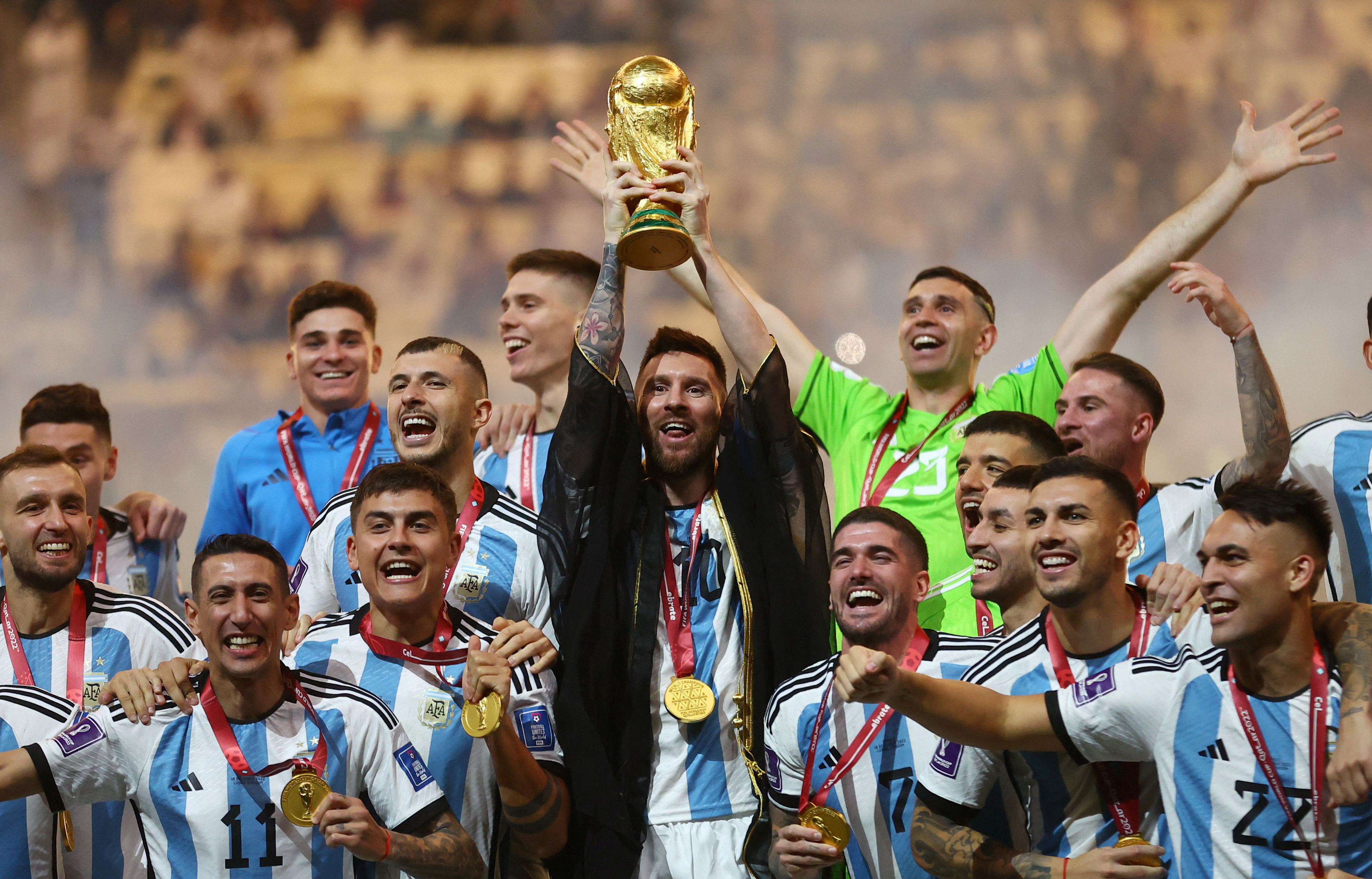
Ranch dressing is having a moment, and not just on a wings platter. At the World Cup Games, a condiment that once lived quietly in salad bars and takeout cups has turned into a cultural signal, a marketing lever, and a surprisingly sharp lens on how fans eat now. The real story is not that people like ranch. It is that a familiar, hyper-American flavor keeps showing up in places where global taste, sponsorship money, and social media spectacle are all fighting for attention. That makes ranch dressing more than a snack-table afterthought. It becomes a case study in how modern sports events turn even the smallest details into identity, commerce, and conversation.
- Ranch dressing is evolving from a pantry staple into a cultural and commercial symbol.
- Global sports events now amplify food trends as much as they amplify athletes.
- Brands are learning that simple, familiar flavors can outperform novelty when audiences are huge.
- The ranch moment says as much about fandom and marketing as it does about taste.
Why ranch dressing keeps showing up
There is a reason ranch dressing keeps finding its way into big-event conversations: it is comforting, instantly legible, and flexible enough to attach itself to nearly any food trend. At a time when fans are overloaded with premium snacks, influencer-driven food hacks, and sponsor-heavy activations, ranch offers something rare: zero explanation required. You know what it is. You know how it tastes. You know what it does to fries, wings, tenders, vegetables, and whatever else is being passed across a stadium tray.
That familiarity matters. Sports venues are high-stress, high-spend environments where people want quick rewards, not culinary homework. Ranch delivers a reliable hit of salt, fat, and tang, which makes it a smart fit for crowds that are tired, hungry, and looking for something that feels both indulgent and safe. In other words, ranch is not winning because it is surprising. It is winning because it is frictionless.
What looks like a goofy condiment trend is really a lesson in consumer behavior: people often choose the thing they recognize fastest, not the thing that sounds most innovative.
The ranch dressing moment is really about fandom
Big sports events are no longer just about the game. They are about the ritual around the game: what people wear, what they post, what they eat, and which small preferences become visible enough to become part of the broadcast. When a condiment starts to feel iconic, that is not an accident. It is the product of a media system that turns ordinary habits into shareable symbols.
Ranch works particularly well in that system because it plays both sides. It is deeply familiar to American audiences, yet accessible enough that international viewers can understand it as a marker of the casual, over-the-top, highly packaged side of U.S. sports culture. In that way, ranch becomes more than flavor. It becomes a prop in a much larger performance of belonging.
Comfort food meets public spectacle
Sports have always been tied to food, but the scale has changed. The old model was simple: eat while you watch. The new model is: eat in a way that can be noticed, photographed, clipped, and repeated. That is why a humble condiment can suddenly matter so much. It is not just about taste. It is about image.
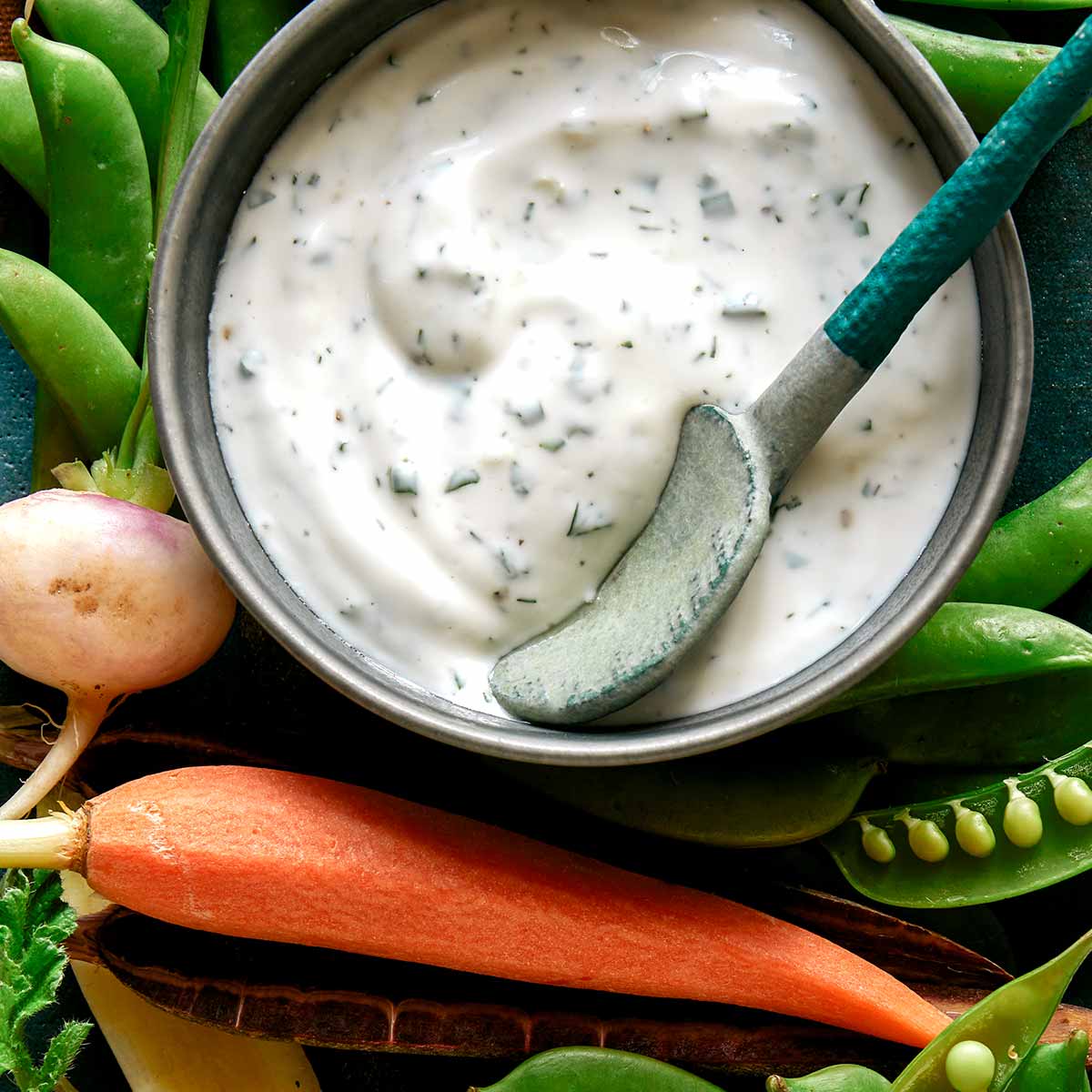
At massive events, food choices become shorthand for vibe. Wings with ranch signal a certain kind of low-stakes abundance. Vegetables with ranch signal a nod to health without abandoning pleasure. Fries with ranch signal that rules are suspended for the duration of the event. This is how food becomes part of the emotional architecture of fandom.
Why this matters for brands and venues
If you run a stadium, a concession operation, or a consumer brand, the ranch story is a reminder that the biggest opportunities are not always the flashiest ones. Sometimes the winning move is to lean into a flavor people already trust and build better execution around it. That means better packaging, cleaner service, more visible placement, and smarter pairing with the foods fans are already buying.
For brands, the lesson is even sharper. Consumers are not always looking for novelty. They are often looking for reassurance. In crowded event environments, a known flavor can outperform a clever one because it reduces decision fatigue. That has implications for everything from menu design to sponsorship strategy.
- Simple sells: Familiar flavors cut through noise faster than experimental ones.
- Placement matters: A condiment becomes a trend when it is easy to see, order, and share.
- Utility wins: The best fan foods are adaptable across multiple dishes.
- Culture scales: A local habit can become global content once media attention locks on.
The business logic behind a condiment trend
There is a deeper commercial pattern here. Food trends at large events often begin with operational convenience, then become social content, then graduate into brand identity. Ranch checks every box. It is cheap to produce, easy to portion, and broadly usable across menus. That makes it ideal for high-volume environments where margins matter and customer satisfaction can swing on small details.
It also fits the modern sponsorship playbook. When brands want to appear culturally relevant, they often look for ordinary behaviors that can be elevated into shared rituals. Ranch is perfect for that because it is already embedded in everyday eating. The challenge is not teaching people what it is. The challenge is making them notice it again.
That is where the business opportunity lives. A condiment can become a recurring revenue driver if it is positioned as part of the event experience rather than a side note. Think limited-edition packaging, localized flavor pairings, or menu bundles designed for social sharing. The upside is not just higher sales. It is stronger memory. Fans remember what felt custom-made for the moment.
What operators should learn
Venue operators should treat ranch less like a back-of-house staple and more like a high-frequency product. That means tracking how often it is ordered, where it is used, and which menu items pull the most demand. It also means considering consistency. Fans will forgive a lot at a game. They will not forgive a runny, undersized, or missing sauce.
Pro tip: design condiment service around speed and visibility. If a fan cannot get ranch without slowing the line, you are already losing. The best stadium food experiences are built on low-friction decisions and high-reward outcomes.
The cultural spillover of ranch dressing
When a food trend crosses from kitchen habit into cultural signal, it starts affecting other categories. Hospitality notices it. Retail notices it. Social platforms notice it. Even television notices it, because anything that helps explain how audiences behave becomes material for commentary.
Ranch has long benefited from that kind of spillover. It is versatile enough to appear in restaurant menus, grocery aisles, fast-casual promotions, and meme culture without needing a full rebrand. That is a valuable position in a market where most packaged foods are fighting for relevance every quarter. The more a product can move across contexts, the stronger its long-term brand equity.
This is also why the ranch conversation resonates beyond food. It reflects how consumers now interact with institutions. They want reliability, but they also want a little theater. Ranch offers both: it is dependable, yet oddly expressive when placed in the right setting. That is a powerful combination in a media environment that rewards recognizable choices.
Ranch is not just a condiment trend. It is a reminder that the most durable consumer products are the ones that can survive both convenience and irony.
What comes next for the ranch economy
If the current momentum holds, expect more brands to position ranch as a core part of event-day menus rather than an optional add-on. That could mean more premium versions, more heat-infused variants, and more cross-category pairings designed to keep the flavor relevant without losing its broad appeal. The risk is overcomplication. Ranch works because it is simple. If brands get too clever, they may dilute the very quality that made it popular.
The smarter move is to refine, not reinvent. Better ingredients, better texture, better pairing, better packaging. That is where consumer loyalty gets built. In a crowded marketplace, the products that endure are often the ones that make people feel like they already know the answer before they order.
There is also a broader lesson for the sports industry: the fan experience is increasingly defined by micro-choices. Food, drink, merch, and digital sharing all feed the same loop. A condiment trend might seem trivial until you realize it helps reveal how people want to participate in a global event. Ranch is not the main event, but it is part of the language around it.
The bottom line on ranch dressing
Ranch dressing is winning because it sits at the intersection of taste, convenience, and identity. It is familiar enough to feel safe, flexible enough to feel useful, and visible enough to become part of the story. At the World Cup Games, that combination makes it more than a condiment. It makes it a signal of how modern audiences consume culture: quickly, socially, and with an eye toward what can be shared.
That is why the ranch moment matters. Not because a sauce became famous, but because it shows how easily everyday preferences can be transformed into commercial and cultural events. For brands, venues, and anyone trying to understand the next wave of fan behavior, the message is clear: do not underestimate the power of the ordinary when the spotlight is on.
The information provided in this article is for general informational purposes only. While we strive for accuracy, we make no guarantees about the completeness or reliability of the content. Always verify important information through official or multiple sources before making decisions.