Remembering Margo Howard and the Enduring Power of Advice
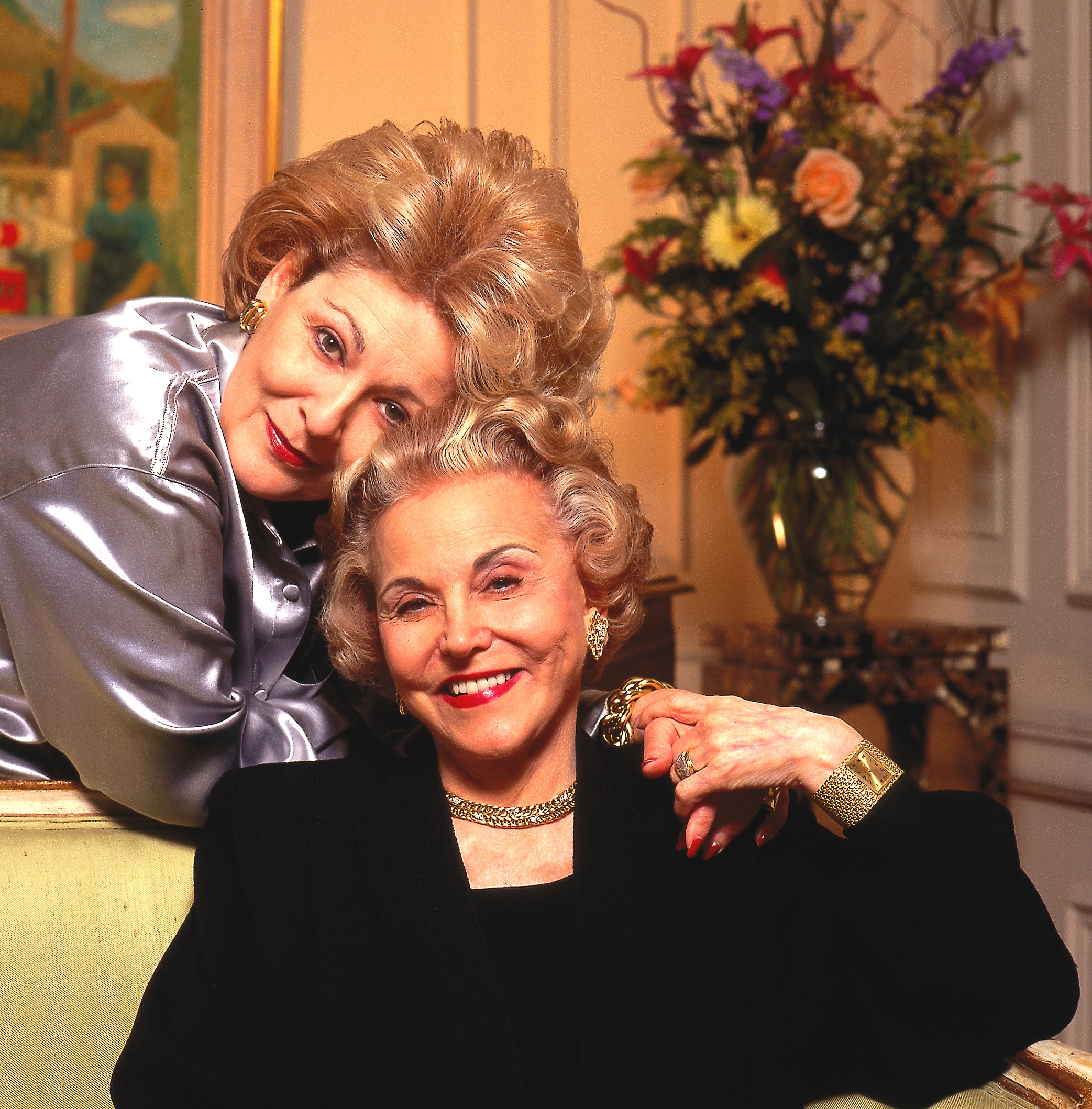
Why Margo Howard still matters in the age of hot takes
Advice has become cheap, fast, and often painfully disposable. Social feeds reward certainty over thoughtfulness, and every platform seems eager to turn intimate problems into public content. That is exactly why Margo Howard remains relevant: she represented a different model of guidance, one grounded in wit, skepticism, and a stubborn respect for the complexity of human behavior. Her work was not about dispensing easy answers. It was about helping readers see their own situations more clearly, with less melodrama and more judgment. That kind of editorial intelligence feels rare now. In a media culture that confuses speed with insight, remembering Howard is also a reminder of what good advice journalism can still do: slow people down, make them think, and keep the human being at the center.
- Margo Howard’s legacy is less about celebrity and more about disciplined, humane advice.
- Her voice cut through sentimentality and gave readers permission to think critically about their own lives.
- Modern advice culture often optimizes for engagement, not wisdom.
- Howard’s approach still offers a blueprint for trustworthy editorial judgment.
- Her influence helps explain why thoughtful advice remains valuable even in the age of algorithmic opinion.
The Margo Howard legacy and what made it distinctive
Margo Howard was not simply another columnist answering letters from strangers. She understood that advice is a form of editorial stewardship. Readers were not just asking what to do next. They were asking whether their confusion, shame, frustration, or hope made sense at all. Howard met those questions with a voice that was sharp without being cruel and direct without flattening nuance. That balance is harder to achieve than it looks. Anyone can sound confident. Very few can sound credible while acknowledging that most human problems are messy, recurring, and resistant to neat solutions.
Her writing mattered because it refused the false comfort of performative empathy. She did not pretend that every dilemma was unique, and she did not act as if every choice had a morally pure path. Instead, she treated readers like adults. That approach built trust. It also made her columns feel durable, because the underlying truths did not depend on the latest platform trend or cultural cycle. They depended on a more basic reality: people keep making the same mistakes in relationships, work, family, and identity, even as the surrounding technology changes.
What made Howard memorable was not that she had all the answers. It was that she knew which questions deserved a harder look.
Why advice culture feels broken now
If Howard’s work feels unusually steady today, that is because the broader advice ecosystem has become unstable. The modern attention economy rewards speed, volume, and certainty. A nuanced response is often less visible than a snappy one. That creates a terrible incentive structure for advice, where the most emotionally resonant answer is not always the most useful one.
There is also the problem of personalization theater. Platforms encourage people to treat every emotional challenge as a story that must be publicly validated in real time. But real advice often requires restraint. It may involve telling someone to wait, observe, document, or simply stop escalating a conflict. Those are not viral responses. They are, however, the kinds of responses that can change a life.
This is where the Margo Howard legacy becomes more than nostalgia. Her work stands in contrast to a culture that monetizes certainty. She knew that advice is not therapy, not branding, and not content farming. It is a judgment call. Good judgment depends on context, pattern recognition, and the courage to disappoint an audience when needed.
How Margo Howard approached difficult questions
Howard’s style worked because it combined three things that rarely show up together: clarity, restraint, and personality. She was readable without being frivolous. She was opinionated without being sloppy. And she was humane without becoming mushy. That combination matters because advice columns live or die on trust. Readers need to believe that the person answering the letter understands both the stakes and the limits of the situation.
Clarity without theatrics
Howard did not need to over-explain every answer. She knew that overworking a point can make advice feel self-important. The best guidance is often the most focused guidance. Identify the real problem. Distinguish emotion from action. Name the likely consequences. Then stop. That kind of editing discipline is rare in modern media, where endless qualification can weaken the message rather than strengthen it.
Humor as a diagnostic tool
Her wit was not decoration. It was analysis. Humor can expose denial, puncture self-importance, and reveal what a letter writer is trying not to say. Used well, it is a form of precision. Howard understood that a sharp line can do the work of a paragraph if it lands on the right target.
Respect for the reader
Perhaps her most underrated trait was respect. She did not write as if readers needed to be rescued from their own lives by a superior voice. She wrote as if they could handle honesty. That assumption changes everything. It creates a relationship based on accountability rather than dependency.
What modern publishers can learn from the Margo Howard legacy
The publishing industry keeps chasing new formats, but the fundamentals of trust have not changed. Readers still want guidance that feels informed, grounded, and specific. They can spot canned wisdom immediately. They also know when a publication is using intimacy as a traffic strategy. That is why editorial teams should study Howard not as a sentimental figure, but as a model for durable audience trust.
For publishers, the lesson is simple: advice content works best when it is treated like serious editorial, not a churn machine. That means better framing, stronger voice, and a higher bar for the people writing it. It also means understanding that a good advice column is not a confession booth for the internet. It is a place where experience, taste, and judgment can meet the reader halfway.
- Pro tip: Prioritize specificity over generic reassurance. Readers can tell the difference.
- Pro tip: Build a consistent voice so advice feels like a trusted editorial product, not random commentary.
- Pro tip: Use restraint. Not every emotional issue needs maximal analysis.
- Pro tip: Separate the problem from the performance around the problem.
There is also a business case here. Trust drives repeat engagement, and repeat engagement matters more than one-off clicks. Advice journalism that earns trust becomes habit-forming in the best sense. It gives readers a reason to return not because the content is loud, but because it is reliable.
Why this matters beyond nostalgia
Remembering Margo Howard is not just a tribute to a skilled columnist. It is a critique of the present. We live in a culture that often treats irony as intelligence and outrage as conviction. Howard’s work suggested something more demanding: that intelligence can be plainspoken, conviction can be restrained, and humor can coexist with seriousness. That combination is not quaint. It is necessary.
Advice is one of the last forms of media that still asks a direct ethical question: what should a person do now? The best answers do more than soothe. They clarify power, consequences, and responsibility. That is why Howard’s legacy still resonates. She helped readers navigate life without pretending that life was simple.
The real value of Margo Howard’s work is not that it predicted today’s advice economy. It is that it exposed how much better advice can be when it is built on judgment instead of performance.
The future of advice is editorial, not algorithmic
As AI-generated content, creator advice, and personalized feeds reshape how people seek guidance, the temptation will be to automate empathy and scale certainty. That may be efficient, but it is not wisdom. The future of advice will belong to outlets and voices that can combine consistency with discernment. Readers will still want answers, but they will increasingly reward sources that acknowledge uncertainty without collapsing into vagueness.
That is where Howard’s example stays relevant. She reminds us that advice is an editorial discipline. It requires taste, limits, and a willingness to say no to easy narratives. It also requires understanding that the reader is not a lead to be converted. The reader is a person trying to get through something.
If the media industry wants to build lasting trust, it should stop chasing the most shareable answer and start valuing the most useful one. Margo Howard’s legacy makes that case with unusual force. She was not just answering letters. She was modeling a standard for public thoughtfulness that still feels ahead of its time.
Bottom line
The Margo Howard legacy endures because it offered something modern media often fails to deliver: guidance with judgment, wit with discipline, and empathy without surrendering rigor. That is a rare mix. It is also exactly what advice culture needs now.
The information provided in this article is for general informational purposes only. While we strive for accuracy, we make no guarantees about the completeness or reliability of the content. Always verify important information through official or multiple sources before making decisions.