Rubio’s Missile Gambit Tests Iran Deterrence and US Limits
Rubio’s Missile Gambit Tests Iran Deterrence and US Limits
The latest warning shot from Senator Marco Rubio lands hard: the US should move beyond intercepts and “destroy Iran’s ability to launch missiles”. It is a maximalist remedy aimed at an Iran missile capability that has already rattled regional capitals after unprecedented strikes on Israel. The proposition collides with operational realities, alliance politics, and the ever-present danger of turning a proxy shadow war into a direct state-on-state confrontation. With Washington juggling ceasefire diplomacy in Gaza and a presidential election clock, Rubio’s escalation thesis forces a blunt question: does degrading Tehran’s arsenal increase security or ignite the very conflict it seeks to deter?
- Rubio pushes a preventive strike posture that would target Iran’s launch infrastructure, not just intercept missiles midair.
- Hitting the
Iran missile capabilityrisks direct war, yet supporters say it restores deterrence after Israel’s air defenses were tested. - US commanders must balance rapid response, coalition unity, and legal authorities before crossing the escalation Rubicon.
- Regional actors from Gulf partners to European allies fear blowback on energy markets and maritime lanes.
- The debate exposes a strategic gap between missile defense investments and the political will to pre-empt.
Why Rubio’s Call Matters for Iran Missile Capability
Rubio’s framing is blunt: interception is not enough; the US should pre-emptively dismantle Iran’s launch architecture. The senator is channeling frustration after swarms of Iranian drones and ballistic volleys forced Israel and its partners to fire off costly interceptors. By dragging the Iran missile capability into the center of American political theater, he recasts missile defense not as a shield but as leverage for offense.
Yet pre-emption is more than a rhetorical flourish. It would mean tracking mobile launchers, striking hardened silos, and risking Iranian retaliation on US assets in the Gulf. It would test whether deterrence through denial – stopping missiles before they leave the ground – can outperform deterrence through punishment, which has so far relied on sanctions and covert sabotage.
“Deterrence isn’t restored by catching missiles midair; it’s restored when adversaries doubt they can launch at all,” argues a senior defense strategist, capturing the hawkish logic Rubio leans on.
Escalation Risks Hidden in a Preventive Strike
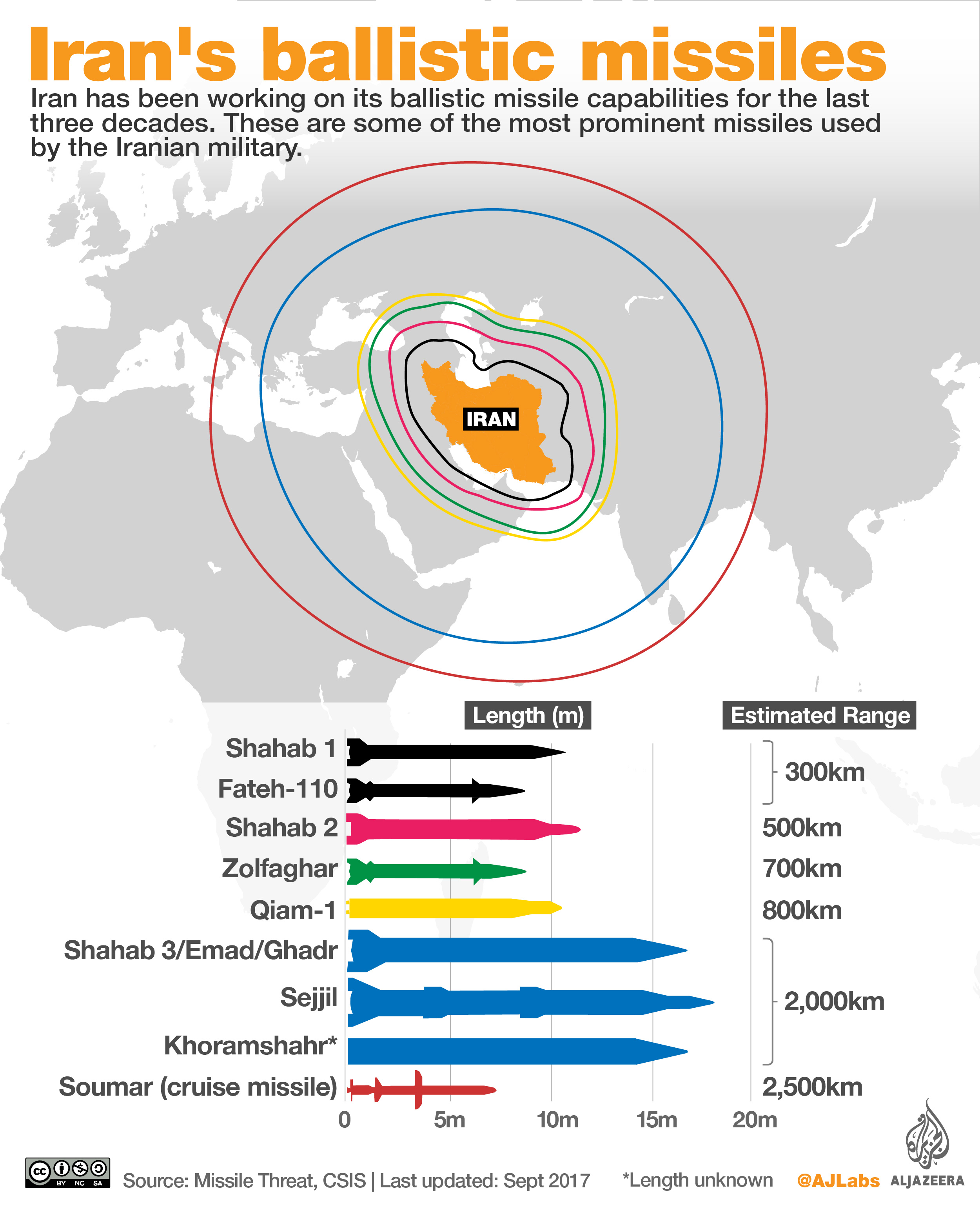
Operationally, destroying Iran’s launch grid is a sprawling task. Mobile ballistic launchers can hide in civilian zones; fixed sites sit under layers of earth and concrete. Cruise missile depots are dispersed. Electronic warfare units, not just air-defense batteries, would have to blind Iran’s radars. The US would need basing and overflight permissions from partners already nervous about becoming targets.
Each of these steps risks mission creep. A limited strike could quickly morph into rolling campaigns as Iran relocates assets. Tehran, in turn, could answer with proxy attacks on Gulf shipping lanes, cyber hits on energy infrastructure, or rocket salvos from Hezbollah. Once launched, a pre-emptive operation would be hard to politically cap, especially if casualties mount or oil prices spike.
Strategic Context: Deterrence Gaps After the Israel Strike
The recent Iranian attack on Israel shattered assumptions about Tehran’s reach. Dozens of ballistic missiles were intercepted, but the sheer volume forced allied networks to expose their playbooks. It highlighted that layered-defense systems like Arrow and Patriot are strong but finite. Rubio’s thesis seizes on this fragility: if defense magazines can be saturated, deterrence must move up the chain to launch pads and command nodes.
This is not a new debate. US planners have long wrestled with the balance between defense spending and offensive counterforce. What is new is the political urgency. Israel’s war cabinet faces domestic pressure; Washington faces election-year scrutiny. In that climate, hawkish prescriptions can gain traction, even if the operational lift is enormous.
Alliance Politics and the Credibility Test
Any move against the Iran missile capability reverberates across alliances. Gulf partners like Saudi Arabia and the UAE crave stronger deterrence but fear becoming retaliation targets. European allies juggling Ukraine support and energy stability would balk at a destabilizing Gulf war. Israel, though supportive of degrading Iran’s arsenal, must weigh the risk of inviting a full-scale response from Hezbollah that could open a multi-front fight.
Rubio’s demand also interrogates US credibility. If Washington threatens pre-emption but stops short, deterrence may erode further. Conversely, executing such a strike without broad allied backing could fracture coalitions. The credibility trap is acute: act and risk escalation, or hold back and risk emboldening Iran.
“Coalition cohesion is a weapon system. Break it, and you hand Iran the initiative,” cautions a former NATO commander.
Legal and Command Constraints
Preventive strikes raise legal hurdles. Unlike intercepting missiles already airborne, hitting launch sites in Iran implicates sovereignty and war powers. The administration would need to justify action under self-defense or seek Congressional authorization, a tall order in a polarized legislature. Commanders would need a clear chain of escalation control to avoid unintended engagements with Russian assets in Syria or with Chinese vessels in contested maritime corridors.
Rubio’s rhetoric compresses these complexities into a sound bite. Yet logistics, rules of engagement, and intelligence fidelity are the foundation of any credible strike. Without airtight targeting data and allied basing rights, calls to “destroy” remain political theater more than executable strategy.
Military Feasibility: What It Would Take
To degrade the Iran missile capability meaningfully, planners would need simultaneous raids on ballistic launch sites, cruise missile storage, and command-and-control nodes. Stealth aircraft would likely kick off the operation, with stand-off munitions hitting radar and air-defense nodes. Cyber operations could disrupt launch orders. Naval assets in the Gulf would deploy Aegis ships for ballistic missile defense against retaliation.
Even then, Iran’s dispersed inventory means survival of key assets. Complete destruction is unrealistic; degradation is possible but temporary unless followed by continued surveillance and periodic strikes. That implies an ongoing campaign, not a single night of Tomahawks.
Energy Markets and Economic Blowback
Markets react faster than missiles. A strike on Iran’s launch capacity would likely send oil prices spiking, with tankers rerouting around the Strait of Hormuz. Insurance rates on shipping could soar. For an already inflation-sensitive US economy, Rubio’s plan carries domestic costs. Gulf partners would see tourism and investment wobble. Europe, pivoting off Russian gas, would confront another energy shock.
These economic vectors are not side effects; they are strategic leverage points. Tehran knows that threatening maritime disruption can deter US aggression. Washington knows that preserving flow through chokepoints is a core national interest. Any decision to pre-empt must price in these market ripples.
Signal vs. Strike: Alternative Paths
There is a spectrum between interception and outright pre-emption. Enhanced forward deployment of Patriot batteries, expanded joint drills, and covert sabotage of missile components can raise the cost of launch without triggering open war. Diplomatic signaling – such as snap sanctions on aerospace suppliers or targeted cyber operations – can erode readiness inside Iran’s program.
Critics of Rubio’s approach argue that the US should tighten these pressure points first. They contend that rushing to kinetic options could undercut secret channels that have contained past flare-ups. Still, after Israel absorbed a national-scale barrage, calls for visible action resonate in Washington.
Pro Tips: Stress-Testing Deterrence
Defense analysts suggest several practical steps to strengthen deterrence without immediate escalation:
- Harden regional bases with rapid-deploy
counter-UASsystems to blunt drone swarms. - Stockpile interceptor munitions and rotate
THAADbatteries to signal surge capacity. - Integrate sensor data across partners to cut launch-to-intercept timelines.
- Expand maritime patrols to deter proxy strikes on shipping lanes.
- Fund redundancy in energy routes to reduce market panic during crises.
Future Implications: Election-Year Security Theater
Rubio’s demand lands in a US election year when security narratives are potent. A posture of smashing the Iran missile capability may rally hawkish voters and pressure the White House to look tougher. But strategic patience can be framed as prudence rather than weakness if paired with visible defensive moves and clandestine disruption.
If the US does strike, precedent will matter. It could normalize pre-emption against missile powers, influencing how North Korea and even emerging arsenals in other regions read US red lines. Conversely, restraint might embolden Iran to test limits again, gambling that Washington prefers interception to escalation.
“The choice isn’t between doing nothing and bombing everything. It’s about sequencing pressure so that missiles stay in their tubes,” notes a former NSC official.
Why This Matters Now
The Middle East security architecture is wobbling. Gaza diplomacy is fragile, Hezbollah tensions simmer, and global energy markets remain jittery. Rubio’s prescription to destroy Iran’s launch capacity would reshape that architecture overnight. The stakes are not abstract: base commanders in the Gulf, shipping CEOs, and election strategists in Washington would all feel the whiplash.
Whether the US heeds Rubio’s call or opts for layered deterrence, the moment demands clarity. Missile defense alone is insufficient. Offensive options carry grave risks. The path chosen will signal to allies and adversaries alike how Washington intends to balance deterrence, escalation control, and domestic political pressure. In a region defined by rapid retaliation cycles, that signal could determine whether the next barrage is intercepted in the sky or never launched at all.
The information provided in this article is for general informational purposes only. While we strive for accuracy, we make no guarantees about the completeness or reliability of the content. Always verify important information through official or multiple sources before making decisions.