Russia Oil Tankers Test Korea
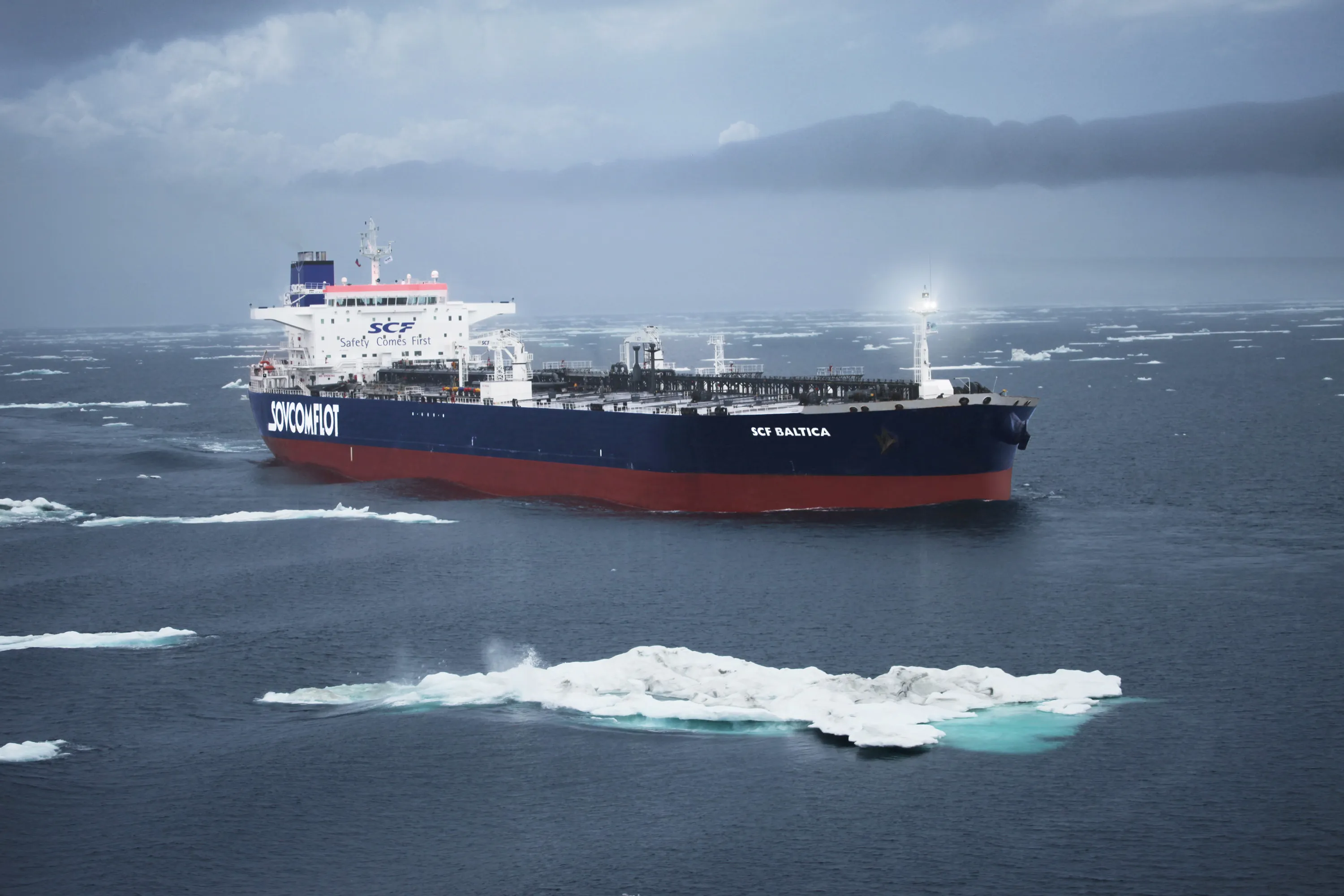
Russia Oil Tankers Test Korea
The next front in the Ukraine war may not be a trench, a drone factory, or a diplomatic summit. It may be a tanker registry, a port inspection, and a paper trail moving through one of Asia’s most important maritime economies. The scrutiny around Russia oil tankers linked to South Korea points to a bigger problem: sanctions are only as strong as the shipping system that enforces them. For governments trying to choke off Moscow’s war revenue without detonating global energy markets, the tanker trade has become a high-stakes stress test. For South Korea, a country built on shipbuilding, refining, and export discipline, the question is sharper: can a key US ally keep its maritime ecosystem from becoming a pressure valve for Russia’s oil machine?
- Russia oil tankers are central to how Moscow keeps crude moving despite Western restrictions.
- South Korea’s role matters because it is a major shipping, shipbuilding, finance, and refining hub.
- The Ukraine war has turned tanker ownership, insurance, and port access into geopolitical tools.
- Sanctions enforcement now depends on data, inspections, and corporate due diligence, not just diplomacy.
- The next phase will likely target the service networks that keep risky vessels operating.
Why Russia oil tankers matter far beyond the oil market
Oil is not just a commodity for Russia. It is fiscal oxygen. Revenue from crude and refined products helps fund the state, stabilize the currency, and sustain military production. That is why the tanker fleet carrying Russian barrels has become a strategic asset in the Ukraine war.
After Western governments imposed restrictions, including the price cap mechanism and bans on certain services, Russia and its intermediaries adapted. The result was a sprawling network often described as a shadow fleet: older tankers, opaque ownership structures, shifting flags, and complicated chains of brokers, managers, insurers, and charterers.
The core issue is not whether one tanker moved one cargo. The core issue is whether the global maritime system can still identify who really owns, controls, insures, and profits from sanctioned trade.
This is where South Korea enters the story. The country is not a marginal player in shipping. It is home to world-class shipbuilders, sophisticated ports, major refiners, and financial institutions tied into global trade. Even indirect links to Russia oil tankers can carry diplomatic, legal, and reputational risk.
South Korea and Russia oil tankers face a sanctions reality check
South Korea has aligned broadly with Western pressure on Moscow while also managing its own energy security and regional risks. That balancing act is becoming harder as sanctions evolve from broad political statements into granular enforcement questions.
A tanker can appear ordinary on the surface. It may fly a flag from one jurisdiction, be owned by a shell company in another, managed by a firm somewhere else, and insured through a layered arrangement that changes quickly. Its AIS signal can show a routine voyage, while its commercial documents tell a more complicated story. In some cases, the concern is not only the oil itself, but the services that make the voyage possible.
The ownership problem
Modern shipping is built on fragmentation. That makes it efficient, but also vulnerable. A vessel’s beneficial ownership may be difficult to trace if companies are registered through nominee directors or rapidly transferred. For sanctions teams, the key question is not the name painted on the hull. It is control.
If a vessel connected to Russian energy trade uses South Korean services, financing, repairs, brokerage, or port infrastructure, regulators will want to know whether local firms conducted meaningful due diligence. A checkbox review is no longer enough. The risk standard has moved from know your customer to know your vessel, know your cargo, and know your counterparty.
The insurance and services problem
Tankers need more than fuel and a crew. They need insurance, classification, maintenance, navigation systems, port agents, and payment channels. Sanctions enforcement increasingly targets these service layers because they are the choke points that keep questionable vessels operating.
For South Korean companies, the exposure can be subtle. A maritime supplier may not sell oil or charter a ship, but it may provide parts or services to a vessel later tied to restricted Russian trade. A bank may not finance the cargo, but it may process a payment involving a linked entity. A port operator may see a ship as one more commercial arrival, while investigators see part of a broader evasion pattern.
How the shadow fleet changed the Ukraine war economy
The rise of the shadow fleet is one of the most consequential economic side effects of the war. It shows that sanctions do not simply stop trade. They reroute it. They create new middlemen, new risk premiums, and new incentives for opacity.
Russia’s strategy has been straightforward: keep barrels moving, find buyers, and reduce dependence on Western-controlled services. That has pushed more oil toward Asia and increased the importance of maritime corridors outside the traditional enforcement comfort zone.
Older tankers are especially attractive in this system because they can be bought cheaply and used aggressively. But they also create environmental and safety concerns. If a poorly maintained vessel has a spill, collision, or mechanical failure, the damage does not stay inside a sanctions spreadsheet. It can hit coastlines, fisheries, ports, and insurers.
Pro tip for shipping and energy firms
Any company touching tanker trade should treat Russia-related exposure as a live operational risk, not a distant legal issue. That means screening the vessel’s IMO number, ownership history, flag changes, management records, voyage patterns, and prior port calls. It also means documenting decisions so compliance teams can prove the company acted responsibly.
- Check for frequent changes in vessel name, flag, owner, or manager.
- Review
AISgaps, unusual route deviations, and possibleship-to-ship transferactivity. - Screen all counterparties against sanctions lists and internal risk databases.
- Escalate transactions involving opaque brokers or unusually favorable freight terms.
- Preserve audit trails for payments, charter documents, and service approvals.
Why this matters for Seoul
South Korea’s dilemma is not just legal. It is strategic. Seoul depends on global trade, US security guarantees, stable energy flows, and access to Western financial systems. Any perception that its maritime sector is being used to support Russia’s oil export workaround could trigger pressure from allies and regulators.
At the same time, South Korea must manage a volatile neighborhood. North Korea’s deepening ties with Russia have already altered regional calculations. If Moscow is receiving military or industrial support from Pyongyang while still earning oil revenue through global shipping loopholes, Seoul has every reason to care about enforcement credibility.
For South Korea, tanker scrutiny is not a niche compliance headache. It is where energy security, alliance politics, maritime power, and the Ukraine war collide.
The reputational stakes are also significant. South Korea’s shipbuilding industry is one of the country’s crown jewels. Its banks, ports, insurers, and logistics firms operate on trust. If global regulators begin associating any part of that ecosystem with sanctions evasion, the costs could exceed any single commercial transaction.
The enforcement gap is getting smaller
Early in the sanctions cycle, enforcement often focused on obvious violations. That phase is ending. Governments are now looking at patterns: repeated port calls, management networks, beneficial ownership clusters, and the service providers that appear around suspicious vessels.
Data tools have improved. Investigators can compare AIS tracks with satellite imagery, customs records, insurance documents, and corporate filings. They can spot when a tanker goes dark near a known transfer zone or when a vessel changes identity shortly before handling Russian cargo.
This shift matters because it raises the cost of plausible deniability. A company can no longer easily say it did not know a vessel was risky if public and commercial maritime data showed red flags. The burden is moving toward proactive monitoring.
The next pressure points
Expect more attention on maritime finance, classification services, port access, bunkering, and repair yards. These are not headline-grabbing targets, but they are essential to keeping tankers moving. If governments want to restrict the Russia oil trade without creating a sudden supply shock, they will likely keep tightening around these service nodes.
There is also a future technology layer. Artificial intelligence and maritime analytics will make it easier to identify suspicious behavior at scale. But the same technology can be used by evasion networks to plan routes, exploit weak jurisdictions, and restructure ownership faster. The sanctions contest is becoming a data contest.
What businesses should do now
Companies in shipping, banking, insurance, energy trading, and port services need a more aggressive compliance posture. The minimum standard should include vessel-level screening, counterparty mapping, and scenario-based escalation. If a deal depends on not asking too many questions, that is the warning sign.
Executives should also understand that enforcement risk is not limited to direct sanctions breaches. Reputational damage, loss of correspondent banking access, contract cancellations, and government scrutiny can hit even when legal liability is uncertain. In the tanker world, ambiguity itself is now a business risk.
- For banks: tie payment reviews to vessel data, not just customer names.
- For ports: build escalation rules for high-risk tankers and irregular voyage histories.
- For traders: demand transparent cargo origin documents and charter chains.
- For suppliers: screen service requests against vessel history before approving work.
The bottom line on Russia oil tankers
The scrutiny around South Korea and Russia oil tankers is a reminder that sanctions are no longer just a matter for diplomats. They now run through port terminals, ship registries, compliance dashboards, and boardrooms. The Ukraine war has turned maritime logistics into a strategic battlefield.
South Korea has the tools, sophistication, and global incentive to stay on the right side of that battlefield. But the challenge is getting tougher. Russia’s oil networks are adaptive, commercially motivated, and built to exploit jurisdictional seams. Closing those seams will require more than public alignment with allies. It will require relentless, technical, vessel-by-vessel enforcement.
The tanker trade has always been the circulatory system of the energy economy. Now it is also a test of whether democracies can enforce economic pressure without losing control of the markets they are trying to protect.
The information provided in this article is for general informational purposes only. While we strive for accuracy, we make no guarantees about the completeness or reliability of the content. Always verify important information through official or multiple sources before making decisions.