How Saher Alghorra Changed Breaking News Photography
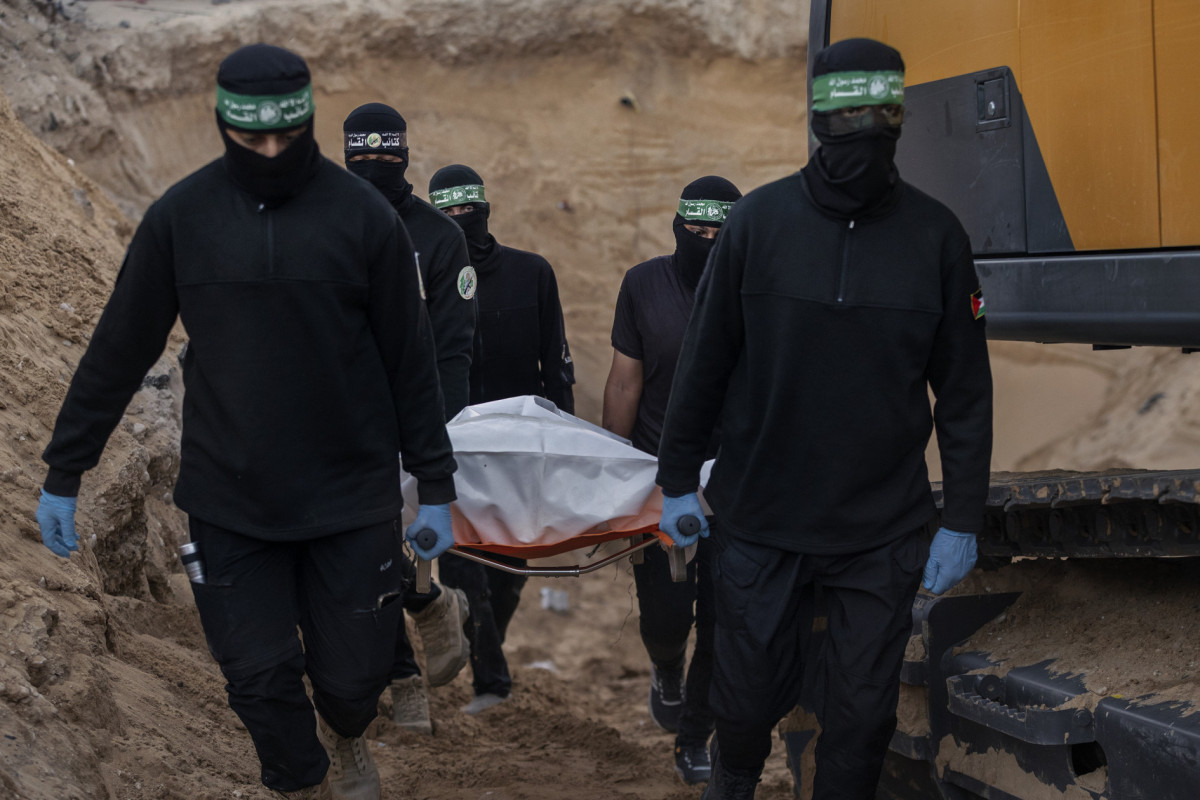
Breaking news photography is being redefined in real time, and Saher Alghorra’s Pulitzer-winning recognition makes that impossible to ignore. At a moment when audiences scroll past conflict at algorithmic speed, the photographers who cut through the noise are doing more than documenting events – they are shaping how history is seen, felt, and remembered. That is why the attention around Saher Alghorra matters far beyond one award cycle. It speaks to a larger shift in visual journalism: higher stakes, thinner margins, more danger, and an even greater need for trust. For editors, publishers, and readers, this is not just a story about one photojournalist. It is a signal that the economics, ethics, and urgency of breaking news photography are changing fast, especially in conflict coverage where every frame can become evidence, memory, and public record at once.
- Saher Alghorra breaking news photography highlights the rising importance of frontline visual journalism.
- Pulitzer recognition reinforces that speed alone is not enough – context, credibility, and human perspective matter.
- Conflict photography now operates under extreme technical, ethical, and emotional pressure.
- Editors and publishers should treat powerful photojournalism as strategic reporting infrastructure, not decorative media.
- The future of breaking news imagery will depend on trust, verification, and photographer safety.
Why Saher Alghorra breaking news photography stands out
The first thing worth saying is that awards do not create significance – they confirm it. What makes Saher Alghorra’s work resonate is not only visual power, but the way it captures the unstable core of breaking news. Great conflict photography does not merely freeze a moment. It compresses chaos into something legible without stripping away its moral weight.
That distinction matters. Newsrooms today are flooded with imagery from phones, surveillance feeds, agency wires, and social platforms. The problem is no longer scarcity. It is signal versus noise. A Pulitzer-winning image or body of work stands apart because it delivers what generic visual abundance cannot: eyewitness rigor, narrative coherence, and emotional precision.
The best breaking news photography does not compete with the speed of the feed. It defeats the feed by making people stop.
Alghorra’s recognition underscores a broader editorial truth: the most valuable images are not simply dramatic. They are accountable. They hold up under scrutiny, carry context inside the frame, and help audiences understand both the event and its human cost.
The Deep Dive into conflict photography under pressure
Breaking news photography has always been difficult, but the modern environment has intensified every variable at once. The assignment is no longer just to arrive, shoot, and transmit. Today’s visual journalist must navigate hostile terrain, fractured infrastructure, metadata concerns, misinformation, trauma exposure, and editorial demands for near-instant publishing.
Speed is now a baseline, not a competitive edge
There was a time when transmitting images quickly could define a newsroom advantage. Now speed is expected. Wire services, social clips, and citizen uploads can reach audiences within seconds. That means professional photographers need to provide something more durable than immediacy. They need verification, composition, timing, and narrative judgment.
In practice, that often means making split-second decisions about what belongs in the frame and what does not. It also means ensuring that an image can survive forensic attention later. In a conflict setting, visual ambiguity can be exploited. A strong photographer anticipates that reality.
Technical skill is only half the job
Modern photojournalism is inseparable from workflow discipline. Capturing a meaningful frame is one challenge. Protecting and transmitting it is another. Even without specific details of Alghorra’s field process, the larger professional demands are clear: battery management, low-bandwidth transfer, image selection under stress, secure device handling, and fast captioning.
For digital-first publishers, these operational layers matter as much as lens choice. A photograph that cannot be authenticated, edited responsibly, and published with confidence loses strategic value.
Pro Tip: Editors covering volatile regions should treat image operations like critical infrastructure. That includes redundant storage, secure transfer protocols, and consistent metadata review using workflows built around RAW, EXIF, and archived caption logs.
The emotional burden is part of the profession
One of the least discussed realities of breaking news photography is the psychological compression it demands. Photographers are asked to witness trauma, remain functional, make technical decisions, and preserve journalistic clarity in environments that would destabilize almost anyone. Recognition for work like Alghorra’s should not only celebrate courage. It should force institutions to invest in support systems.
That means trauma-informed editing, decompression time, better insurance, and newsroom cultures that do not romanticize harm. The myth of the invulnerable war photographer has outlived its usefulness.
What Pulitzer recognition signals for the industry
A Pulitzer attached to breaking news photography does more than honor one practitioner. It sets a benchmark for what the industry believes is essential right now. In this case, the signal is unmistakable: visually grounded, frontline reporting still matters deeply in an era dominated by fragmented attention.
That may sound obvious, but media economics often suggest otherwise. Publishers routinely underinvest in original field reporting because it is expensive, risky, and difficult to scale. Yet when the most important stories break, authentic visual reporting becomes one of the few assets that can build trust across audiences.
When news organizations cut too deeply into original reporting capacity, they do not just lose exclusives. They lose authority.
This is why Saher Alghorra breaking news photography has implications beyond the awards conversation. It reminds newsroom leaders that powerful journalism is still built by people on the ground, not just by aggregation layers or platform optimization teams.
Why this matters to readers, not just media insiders
It is tempting to frame photojournalism awards as insider baseball for editors and journalists. That misses the point. Readers depend on trustworthy images because visual evidence changes how public understanding forms. A compelling photograph can cut through abstraction in ways that text alone often cannot.
Conflict is especially vulnerable to distortion. Competing narratives race to control language, causality, and blame. Verified photography does not solve that problem entirely, but it anchors public discourse in observed reality. That anchor is increasingly valuable when false, manipulated, or decontextualized imagery can spread at platform scale.
Images shape memory faster than text
Most audiences will not remember every headline from a conflict zone. They will remember the images. That makes photographers central to collective memory. It also raises the stakes of editorial judgment. Which images are published, which are withheld, and how they are captioned all influence how events are understood years later.
Visual journalism can drive accountability
At its strongest, breaking news photography is not just illustrative. It is evidentiary. Photos can support investigations, challenge official narratives, and preserve details that might otherwise be erased. In volatile environments, the camera becomes more than a storytelling device. It becomes part of the historical record.
The business case for investing in original photography
For publishers, there is a practical lesson here. Original visual reporting is expensive, but it creates durable value across multiple fronts: audience trust, brand authority, licensing potential, and editorial differentiation. When everyone has access to surface-level content, the organizations that own deeply reported imagery gain a meaningful strategic edge.
This matters especially as generative media muddies the line between authentic and synthetic visuals. The more the ecosystem fills with images that can be fabricated or altered, the more premium value shifts toward work that has a strong chain of custody and editorial verification.
Think of it as a trust stack:
- Field access: a professional is physically present.
- Editorial process: captions, selection, and context are reviewed.
- Verification: image integrity can be examined.
- Institutional reputation: publication carries accountability.
That stack is hard to fake, and increasingly important to monetize.
How newsrooms should respond now
If Saher Alghorra’s recognition is a wake-up call, the next question is operational: what should newsrooms actually do? The answer is not abstract admiration. It is structural change.
Build safer field systems
Photographers need more than assignments and deadlines. They need evacuation planning, equipment redundancy, emergency communication methods, and clear editorial thresholds for acceptable risk. A modern newsroom should have procedures that resemble a mission checklist, not improvised heroics.
Pre-deployment checklist:
device_backupconfirmedsatcom_or_alt_commsavailable if applicablecaption_protocolaligned with standards desktrauma_support_contactassignedfile_transfer_fallbacktested
Prioritize verification from capture to publish
Every high-impact image should move through a documented process. That includes checking sequence consistency, preserving original files, and keeping caption information tied to sourcing notes. In an era of manipulated media, verification cannot be a side desk responsibility.
Treat photographers as reporters
This should be obvious, but many institutions still separate images from reporting value. That is outdated. Frontline photographers gather facts, identify patterns, observe shifts on the ground, and detect nuance that may never reach a written dispatch. They are not accessories to the story. They are often among its primary witnesses.
The future of breaking news photography after Saher Alghorra
The biggest takeaway from this moment is not nostalgia for classic war photography. It is the opposite. Breaking news photography is evolving into a more complex, more contested, and arguably more essential discipline. The next phase will be defined by three forces: authenticity, safety, and interpretation.
Authenticity will become a premium product
As synthetic media improves, authenticated journalism will gain market and civic importance. Publishers that can prove provenance will stand out. Expect stronger internal protocols around file_integrity, archive tracking, and editor-facing authenticity checks.
Safety will become an editorial KPI
News organizations can no longer separate award ambition from duty of care. The health, protection, and sustainability of field teams should be measured as seriously as traffic or exclusives. That shift is overdue.
Interpretation will matter as much as access
The winning image of the future will not simply show something dramatic. It will help audiences understand what they are seeing and why it matters. In that sense, the craft is getting more demanding, not less.
The bigger legacy of Saher Alghorra breaking news photography
The lasting significance of this recognition is not just that one photographer was honored. It is that the industry was reminded what irreplaceable journalism looks like. At a time when speed is cheap and attention is brittle, work like this proves that rigor still cuts through. It proves that being there still matters. It proves that visual truth, however incomplete or contested, remains one of journalism’s strongest defenses against erasure.
That is the real story here. Saher Alghorra breaking news photography represents a standard the industry cannot afford to treat as exceptional for long. It should be the goal: brave, disciplined, deeply human reporting that meets the moment without surrendering accuracy. If newsrooms are serious about trust, this is what they should be investing in next.
The information provided in this article is for general informational purposes only. While we strive for accuracy, we make no guarantees about the completeness or reliability of the content. Always verify important information through official or multiple sources before making decisions.