Scandal Rocked California Governor Race
Scandal Rocked California Governor Race
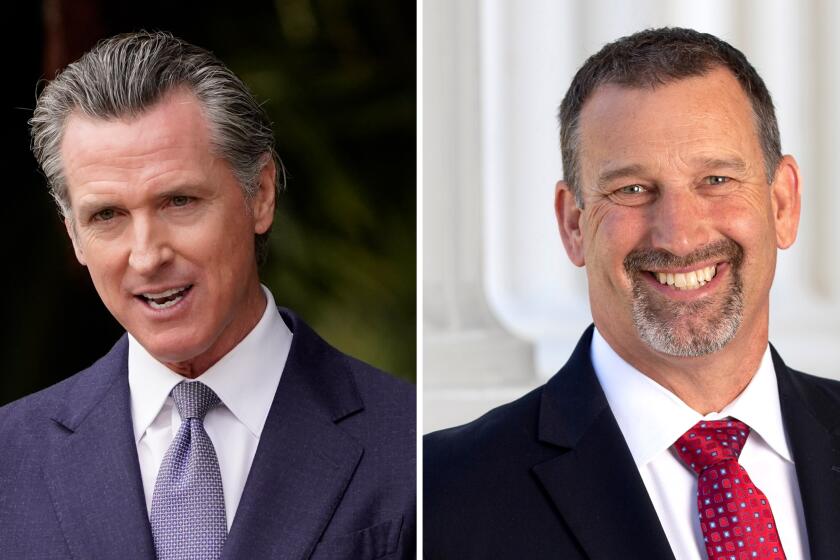
The California governor race just detonated: abuse allegations against the Democratic frontrunner flipped a presumed landslide into a volatile contest where voter trust is the new battlefield. The California governor race scandal now defines every stump speech, ad buy, and donor call, forcing campaigns to rewrite strategy on the fly while anxious voters reassess who deserves the state’s top job.
- Allegations against the leading Democrat have turned a stable race into an open fight.
- Party leadership is split between damage control and demands for accountability.
- Republicans and rival Democrats see new openings with independents and suburban voters.
- Fundraising, endorsements, and ground operations pivot to crisis messaging.
Allegations That Rewired the Contest
The complaint surfaced via sworn statements alleging a pattern of abuse tied to the candidate’s prior role in a state agency. Within hours, party unity evaporated: national surrogates paused appearances, and local leaders demanded independent verification. The campaign issued a terse denial, but the vacuum of detail invited speculation and shifted the race’s axis from policy to credibility. In a cycle already defined by affordability, climate resilience, and public safety, character is now the decisive issue.
Trust became the ballot question, not housing permits or wildfire mitigation.
Fallout Inside the Democratic Machine
Donor networks froze pending legal clarity, while progressive blocs urged a wait-and-see approach to avoid repeating past rush-to-judgment missteps. Moderates, fearing down-ballot drag, quietly floated contingency candidates. The state party’s compliance committee accelerated its own review, signaling that institutional patience was thin. Campaign staffers shifted from field operations to rapid-response war rooms, crafting timelines and vetting past communications to preempt further leaks.
Endorsements in Free Fall
Union endorsements, once considered locked, now read as provisional. Several labor councils issued conditional support tied to an independent investigation. Municipal leaders in swing suburbs rescinded planned rallies, citing constituent outrage. The perception of momentum – a critical intangible in statewide races – fractured overnight.
Money, Messaging, and the Optics Gap
Fundraising platforms recorded immediate refund requests. The campaign countered with a legal-defense fund appeal, but that move risked conflating governance with personal liability. Opponents reframed their messaging to stress accountability and oversight, while maintaining a measured tone to avoid backlash from voters wary of opportunism. The frontrunner’s ads, once focused on wildfire response and housing permits, now dedicate precious seconds to character assurances – an expensive pivot in the state’s high-cost media markets.
Republican and Independent Openings
Republican contenders seized the opening, pitching a change narrative to independents who had leaned Democratic. They emphasized ethics reform, audit authority, and bipartisan oversight boards to check executive power. Independent candidates – usually relegated to spoiler status – framed themselves as stability options, promising governance without scandal baggage. Early internal polling leaks suggest suburban voters are reconsidering loyalty, especially in coastal counties where turnout swings can decide statewide outcomes.
For the first time in this cycle, the GOP sees a plausible path that doesn’t rely on low turnout alone.
Why This Matters for Policy
The scandal threatens to delay legislation on wildfire mitigation, housing approvals, and grid modernization. Lawmakers may slow collaboration with an embattled candidate to avoid reputational risk, potentially stalling billions in infrastructure spending. Agencies anticipating new executive directives could pause rollouts, creating a lag in climate resilience projects ahead of peak fire season. Voters frustrated with cost-of-living pressures now face an added layer of uncertainty about governance stability.
Public Safety and Crisis Confidence
Disaster response hinges on executive decisiveness. A governor under investigation risks diminished authority over emergency declarations, inter-agency coordination, and National Guard requests. Political capital once allocated to negotiating water compacts or EV incentives now diverts to legal defense and reputation triage.
Housing and Regulatory Timelines
California’s housing pipeline depends on predictable permitting. If senior staff churn accelerates, approvals for ADU expansions, transit-adjacent projects, and affordability carve-outs could slip. Developers watch the headlines; uncertainty inflates risk premiums and slows starts.
Scenario Planning the Road Ahead
Three trajectories dominate strategist war rooms: (1) The candidate clears the allegations quickly, reclaiming momentum; (2) findings remain unresolved through election day, anchoring the race in doubt; (3) corroboration emerges, triggering a party-led replacement. Each path carries distinct turnout effects. A cleared candidate could energize a backlash against perceived smears. A lingering cloud depresses base enthusiasm while activating opposition. A replacement introduces ballot logistics headaches but offers a reset.
What Voters Should Watch
- Independent investigations: timelines, scope, and who controls release of findings.
- Staff departures: departures from communications or legal teams often signal internal risk assessments.
- Advertising tone: shifts from policy to biography reveal where campaigns think the real battle lies.
- Debate posture: expect opponents to probe inconsistencies rather than policy gaps.
Pro Tips for Campaigns Navigating Crisis
Own the timeline: Release a clear schedule for cooperation with investigators to avoid drip-drip erosion. Isolate governance from defense: Separate legal-defense operations from public funds and campaign coffers to prevent optics blowback. Recenter on deliverables: Highlight tangible achievements – budget surpluses, grid upgrades, wildfire readiness drills – that remind voters of governing competence.
Silence fuels speculation; disciplined transparency contains it.
Future Implications Beyond November
Regardless of outcome, the California governor race scandal will recalibrate vetting norms. Expect deeper oppo sweeps in primaries, stricter disclosure demands, and faster party arbitration mechanisms. Legislative allies may push for expanded ethics oversight of executive staff, while watchdog groups seek more subpoena power. The episode underscores how character crises can derail policy windows in a state where timelines for climate action and housing reform are unforgiving.
For voters, the lesson is stark: leadership stability is not a luxury in a state facing concurrent climate, affordability, and infrastructure challenges. The candidate who convinces Californians they can both govern and withstand scrutiny will own the mandate to drive the next wave of policy – if they can survive the storm now raging over Sacramento.
The information provided in this article is for general informational purposes only. While we strive for accuracy, we make no guarantees about the completeness or reliability of the content. Always verify important information through official or multiple sources before making decisions.