Scrap Pile Fire Exposes Recycling Risk
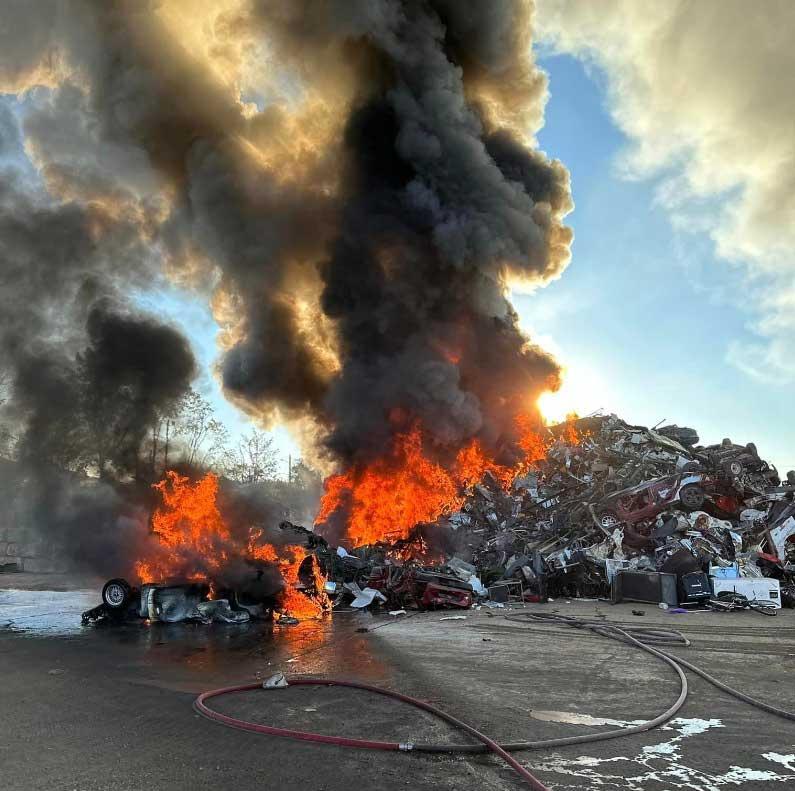
Scrap Pile Fire Exposes Recycling Risk
A fire at a Springfield recycling business is a reminder that recycling facilities are not just sorting centers. They are dense industrial environments where metal, mixed waste, and machinery can turn a small ignition source into a stubborn, fast-moving incident. For communities, that means smoke, road closures, and a long cleanup. For operators, it means a blunt reality: scrap pile fire risk is not theoretical, and it can escalate faster than many businesses are prepared for. This incident also highlights a broader problem across the recycling sector, where commodity storage, contamination, and heat buildup can combine into a serious safety event. The more material stacked, compressed, and left waiting for transport, the more important prevention becomes. In an industry built on recovery and reuse, fire can erase margins, threaten workers, and expose weak points in site design almost instantly.
- Scrap piles can trap heat and ignite from hidden sources, making fires difficult to predict.
- Recycling sites need tighter sorting, spacing, and monitoring to reduce combustible buildup.
- Rapid fire response matters because these incidents often burn deep inside material stacks.
- Prevention is cheaper than cleanup, downtime, and insurance fallout.
- The Springfield incident underscores why industrial safety planning is now a core business issue.
Why this scrap pile fire matters
The immediate image is dramatic, but the real story is operational. Recycling businesses handle a mix of metals, plastics, cardboard, wood, and debris that can behave unpredictably when packed into large piles. A scrap pile fire is difficult to fight because flames may be visible on the outside while heat continues to smolder deep inside the pile. That makes these fires slow, labor-intensive, and expensive.
For the surrounding community, the concern is smoke exposure, traffic disruption, and the possibility that the blaze spreads to nearby structures or vehicles. For the company, the stakes include damaged inventory, equipment loss, worker safety, and business interruption. And for the broader recycling industry, the incident is another case study in how critical fire prevention has become in a sector under pressure to move material quickly and cheaply.
Recycling sites are not passive storage yards. They are active industrial zones where material composition, pile height, and housekeeping directly affect fire risk.
How scrap pile fires start
There is rarely a single cause. More often, a fire begins when several risks overlap. Contamination is a major one. Batteries, pressurized containers, or hot ash mixed into incoming material can spark combustion. Friction from machinery can also create heat. In some cases, spontaneous heating builds in compacted organic material, especially when ventilation is poor and piles are too large.
Common ignition pathways
- Lithium-ion batteries hidden in waste streams can fail and ignite.
- Metal-on-metal contact can create sparks around shredders or loaders.
- Improperly stored combustible material can self-heat over time.
- Hot work, smoking, or unauthorized ignition sources can trigger a blaze.
- Dry weather and wind can accelerate fire spread once it starts.
These are not abstract risks. They are operational failures waiting to happen when material controls are loose. That is why many fire officials push recycling businesses to treat incoming loads like a security checkpoint, not a dumping ground.
The operational weak points in recycling facilities
The Springfield fire points to a familiar vulnerability in the waste and recycling ecosystem: volume is both the business model and the hazard. Facilities often need to hold large quantities of scrap before processing or shipping. When inventory piles grow too high or are stored too close together, fire fighters face a much harder job.
Where things usually go wrong
- Pile height gets too large for safe monitoring.
- Spacing between stacks is too tight for access and containment.
- Segregation of dangerous items is inconsistent.
- Housekeeping allows combustible debris to accumulate.
- Inspection routines fail to catch overheating early.
These failures are usually not caused by one reckless decision. They happen because throughput matters, labor is tight, and the site slowly drifts toward convenience over discipline. That drift is expensive. A single fire can halt operations for days or weeks, and in some cases it can trigger regulatory scrutiny or insurance disputes that outlast the physical cleanup.
What fire crews are really up against
Responding to a scrap pile fire is not like putting out a typical building fire. The pile itself can hide pockets of heat, meaning flames may reappear even after the visible fire is knocked down. Firefighters often need specialized equipment, water supply coordination, heavy machinery, and sometimes excavators to spread material apart so it can cool properly.
That makes time the enemy. The longer a pile burns, the more deeply heat migrates into the material. Wind can also feed the fire, and smoke from mixed waste can contain irritants that complicate operations. This is one reason recycling fires often become regional incidents rather than simple site emergencies.
Once a scrap pile is fully involved, the response shifts from suppression to excavation, cooling, and containment. That is a slow, resource-heavy process.
Why the industry keeps getting burned
There is a structural problem here. Recycling is supposed to be part of the climate and sustainability solution, but the industry often operates with thin margins and high material churn. That creates a tension between speed and safety. If a site receives more material than it can safely sort, pile, and inspect, the risk rises immediately.
There is also a product-design issue upstream. Consumer products increasingly include rechargeable batteries and complex composites that do not belong in ordinary scrap streams. A damaged battery tossed into a bin can become a fire source long before it reaches a facility. That means the recycling industry is absorbing some of the consequences of poor product labeling, weak consumer disposal habits, and limited collection infrastructure.
The hidden cost of contamination
Contaminated loads are expensive even when they do not catch fire. They slow down sorting, increase labor, damage machinery, and force safer but slower handling. When they do ignite, the cost explodes. Prevention programs, sort checks, and employee training may seem like overhead, but they are usually far cheaper than emergency response and lost revenue.
What businesses should do now
If a facility handles mixed scrap or recyclable material, the lesson is straightforward: assume every load is a potential ignition point until proven otherwise. Strong prevention practices reduce risk and make response faster if something does go wrong.
Practical prevention steps
- Separate batteries and hazardous items at intake.
- Keep scrap piles smaller and easier to inspect.
- Maintain clear access lanes for fire crews and equipment.
- Use cameras, thermal checks, or regular hot-spot inspections where appropriate.
- Train workers to recognize smoke, heat, and contamination early.
- Enforce no-smoking and hot-work controls across the site.
For managers, the smartest move is to treat fire prevention as part of throughput planning. If material is arriving faster than it can be safely managed, the site is not operating efficiently. It is operating dangerously.
The bigger picture for Springfield and beyond
This incident is local, but the implications are national. Recycling businesses across the United States face similar challenges: rising volumes, more complex waste streams, and increasing pressure to move material quickly. As consumer products change, fire risk changes with them. That means old assumptions about what belongs in a scrap pile are no longer safe.
Municipal leaders, insurers, and regulators will likely keep paying attention to these events because they have ripple effects. A single fire can strain local emergency resources, disrupt nearby commerce, and raise questions about site permitting and operational standards. For operators, the message is even sharper: resilience is now a competitive advantage.
Sites that invest in better sorting, smarter layout, and worker training are not just reducing risk. They are protecting uptime, preserving margins, and improving their odds of surviving the next incident. That is the real takeaway from Springfield. A scrap pile fire is not just a blaze in a yard. It is a stress test for the entire recycling business model.
What happens next
After any fire like this, the recovery phase matters almost as much as the response. Operators typically need to assess structural damage, identify the ignition source, document losses, and determine whether contaminated material can be salvaged. They may also need to update site procedures, retrain staff, and review insurance coverage. In some cases, a fire becomes the catalyst for a full facility redesign.
That is the uncomfortable upside of these events: they expose weaknesses that might otherwise stay hidden until a worse disaster hits. If the Springfield fire pushes even a few operators to tighten controls, improve pile management, and rethink intake procedures, the industry will be better off. But that only happens if businesses stop treating these incidents as isolated accidents and start treating them as warning signs.
The recycling sector cannot afford complacency. The next fire may start the same way, but it will not have to end the same way.
The information provided in this article is for general informational purposes only. While we strive for accuracy, we make no guarantees about the completeness or reliability of the content. Always verify important information through official or multiple sources before making decisions.