SoCal Medical Fraud Dragnet Shakes Clinics
Southern California health care fraud investigation flips the script on trust
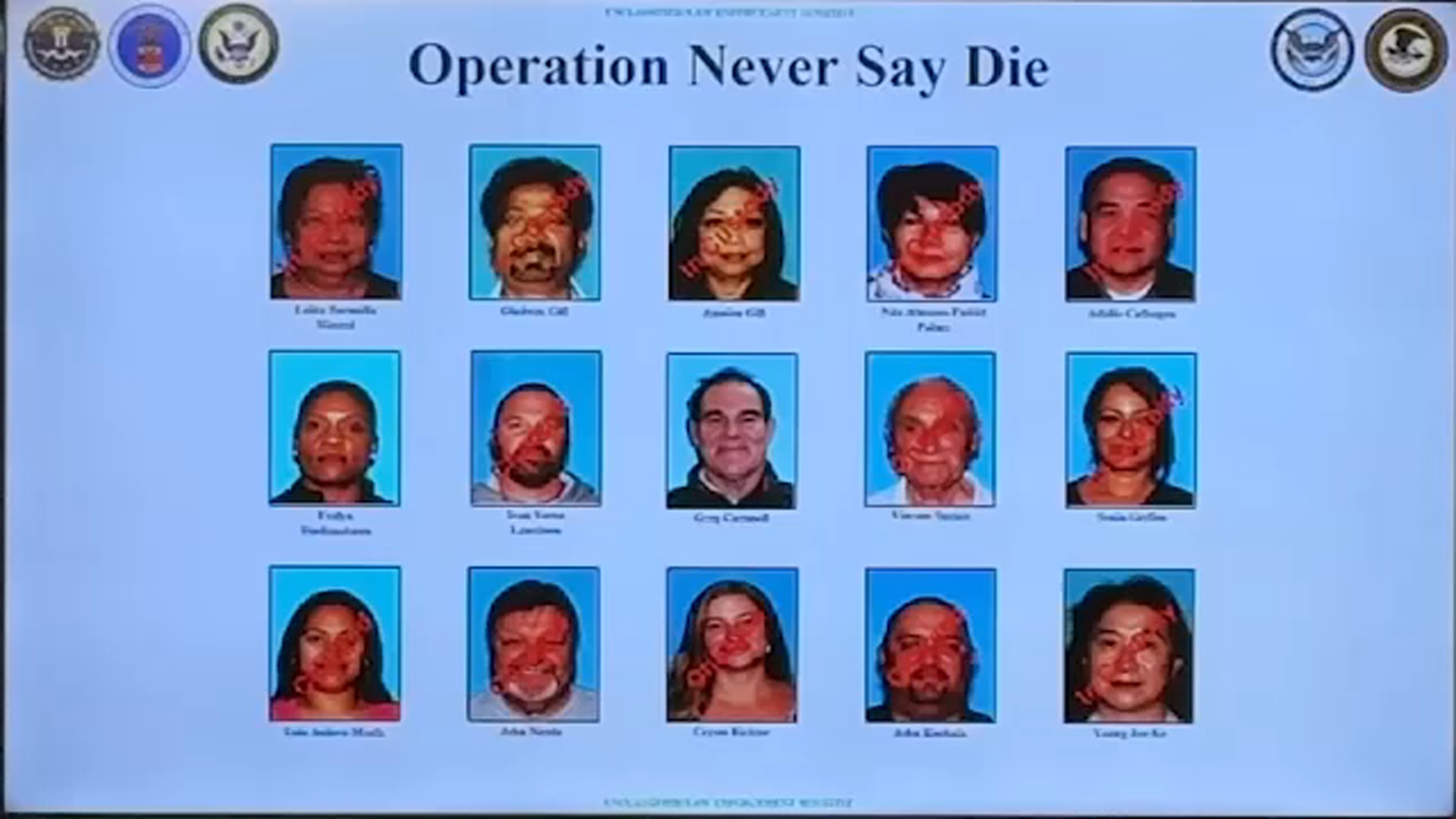
Southern California health care fraud is no longer a regulatory footnote-it just erupted into a headline-grabbing dragnet that pulled in doctors, nurses, and clinic operators accused of billing for sham procedures and leveraging patient identities. For patients and payers already wary of ballooning medical costs, the spectacle of white coats in handcuffs hits a nerve: if the people meant to heal are gaming the system, how can anyone trust the bill that lands in their inbox? Beyond the mugshots, this crackdown hints at a deeper structural flaw in how claims get greenlit, how oversight lags, and how easily a clinic can convert a visit into a cash machine. The lesson: compliance is no longer optional, and reputations can collapse faster than reimbursement checks clear.
- Federal and state teams allege multimillion-dollar false billing tied to routine tests and rehab claims.
- Investigators say licensed staff lent credentials to boost claim legitimacy, raising credentialing risks for every clinic.
- Insurers are accelerating prepayment audits and clawbacks, squeezing already thin provider margins.
- Patients face data exposure and questionable care plans created to justify billing codes.
How the alleged fraud operated behind the exam room door
Prosecutors describe a playbook that thrives in the gray zones of American reimbursement. Routine lab panels allegedly billed as complex diagnostics. Physical therapy visits coded at premium rates despite minimal contact. Durable medical equipment orders flowing to patients who never requested braces or supports. Each tactic leans on two ingredients: a valid National Provider Identifier and a billing system tuned to maximize volume. By rotating patients through templated care plans and relying on low-risk codes, the accused networks allegedly banked on the probability that most claims would slide through payer algorithms unchecked.
Credential lending and the NPI problem
At the center of many cases is the alleged lending of licenses. When a physician or nurse practitioner allows their NPI to be used broadly, they become the quality seal on every submitted claim. Investigators say this arrangement let clinics bill higher rates while masking the actual clinician performing the service. It is a stark reminder that credential stewardship is not paperwork-it is identity protection. Best practice now demands quarterly audits of NPI access logs and vendor connections to ensure billing software is not silently cloning identities.
Billing engines as revenue amplifiers
Modern practice management platforms can auto-suggest codes, stack modifiers, and submit batches of claims with a few clicks. That efficiency is a gift to legitimate practices and a tempting exploit for bad actors. When investigators detail thousands of claims filed in tight windows, it highlights how software can scale abuse. Clinics should configure rules that flag outlier volumes per day and trigger secondary review before submission. Embedding a compliance checklist inside the billing workflow reduces the temptation to rubber-stamp questionable charges.
Why routine tests became profit centers
Routine blood work and urine analysis generate reliable reimbursement. The alleged fraud rings reportedly upgraded those panels to higher-paying codes by adding rarely necessary markers. For compliance teams, this is the moment to compare frequency of specific CPT codes against regional benchmarks. If a clinic is an outlier on complex panels, the next audit will not be forgiving.
MainKeyword pressure: Southern California health care fraud in the broader ecosystem
The Southern California health care fraud shockwave lands in a market already strained by staffing shortages and payer disputes. Hospitals are pushing for higher contract rates, while insurers roll out prior authorization gates to curb spend. When a high-profile bust lands, payers gain political cover to tighten controls. That means slower payments, more documentation requests, and a heavier compliance lift for honest providers.
Impact on payer-provider relations
Expect payers to expand prepayment review programs, especially for codes highlighted in the investigation. Claims once processed in days could now sit in pending status while medical records are reviewed. That delay harms cash flow and forces clinics to increase reserves. It also encourages more providers to adopt clean-claim protocols: structured clinical notes, embedded coding guidance, and real-time eligibility checks.
Data privacy risks for patients
Fraudulent claims often ride on stolen or misused patient identities. Patients caught in the dragnet may discover Explanation of Benefits statements for services they never received. Clinics must establish rapid response playbooks: notify affected patients, coordinate with insurers to freeze suspect accounts, and offer monitoring. Under HIPAA, failure to control access logs or detect anomalous queries can escalate into civil penalties.
Pro Tips for compliance leaders
Build a cross-functional audit squad: Compliance is not a silo. Include revenue cycle, IT, and clinical leads in monthly reviews to detect patterns that a single team might miss.
Instrument the billing stack: Configure your EHR and RCM tools to alert when daily claims exceed baselines by code family. Pair alerts with mandatory sign-off from a licensed provider.
Run tabletop exercises: Simulate an investigator request for 20 patient files. Time how long it takes to assemble clean documentation. Every minute saved reduces risk during a real inquiry.
Why this crackdown matters now
The timing is not accidental. State and federal agencies have been under pressure to show measurable progress against health care waste. With insurers citing fraud as a driver of premium hikes, public sentiment is primed for visible enforcement. Arrests and press releases are the most visible deterrent. For legitimate practices, the message is clear: transparency is a competitive advantage. Clinics that proactively publish compliance commitments, patient data safeguards, and billing standards will stand out.
Future implications for telehealth and home care
Telehealth boomed during the pandemic, and regulators are now scrutinizing virtual visit billing. The Southern California case signals that virtual claims will get the same microscope. Home health operators should expect site audits and device usage verification. Embedding remote-patient-monitoring logs into claims can prove service delivery and blunt accusations of phantom care.
Automation: friend or foe
AI-driven coding assistants promise speed and accuracy, but they can also mask overbilling if left unchecked. Clinics adopting these tools must document training data sources, validation checks, and human-in-the-loop oversight. A best practice is to lock high-risk codes behind manual approval and to export monthly code distribution reports for review. Automation should reduce clerical error, not rationalize aggressive billing.
Economic ripple effects
Fraud recoveries often lead to recalibrated reimbursement rates. If payers recoup millions, they may argue for lower base rates on certain codes, impacting honest providers. Clinics should model scenarios where reimbursements drop 5-10 percent and identify offsetting efficiencies: smarter scheduling, supply chain renegotiation, or service-line diversification.
Ethics, trust, and the patient experience
Beyond legal exposure, fraud erodes the clinician-patient bond. When patients suspect billing is the primary driver of care decisions, adherence plummets. Practices should recommit to plain-language billing explanations and shared decision-making. Offer patients a simple channel to question charges and a guarantee that disputes will not affect care. Transparency is not only ethical; it is a retention strategy in a competitive market.
Training the next generation
Medical and nursing schools rarely teach billing ethics with the rigor they deserve. The fallout in Southern California is a curriculum wake-up call. Integrating case studies on fraud into rotations helps clinicians spot red flags: pressure to upcode, unusual template language, or sudden shifts in patient volume. Certification programs can require a yearly refresher on coding integrity and data privacy.
The role of whistleblowers
Many fraud cases crack open because insiders speak up. Clinics should maintain anonymous reporting channels and publish non-retaliation policies. Incentivizing internal reporting can catch errors before they evolve into criminal exposure. Regulators often reduce penalties for organizations that self-disclose, making early detection a pragmatic choice.
Practical steps clinics can take today
Waiting for a subpoena is not a strategy. Here is a concise roadmap to fortify your operation.
- Conduct a 90-day retrospective audit of high-value
CPTcodes and compare against payer denial trends. - Rotate external coding auditors twice a year to avoid blind spots that in-house teams might normalize.
- Lock down
NPIaccess in credentialing systems and require multi-factor authentication for billing staff. - Deploy least-privilege access to
EHRmodules to prevent broad data scraping. - Document consent workflows in the chart; tie every billed service to a signed note.
Conclusion: rebuild credibility before regulators do it for you
The Southern California health care fraud arrests are a warning shot to every clinic that treats compliance as a checkbox. Billing integrity, data hygiene, and ethical training are now existential imperatives. Providers who move fast to prove their claims are clean will navigate the next audit cycle with fewer scars-and patients will reward the transparency with loyalty. Those who wait for the knock on the door may find that the real cost of fraud is not the fine but the collapse of trust.
The information provided in this article is for general informational purposes only. While we strive for accuracy, we make no guarantees about the completeness or reliability of the content. Always verify important information through official or multiple sources before making decisions.