South Africa’s Immigrant Backlash Is Spreading Fast
South Africa’s Immigrant Backlash Is Spreading Fast
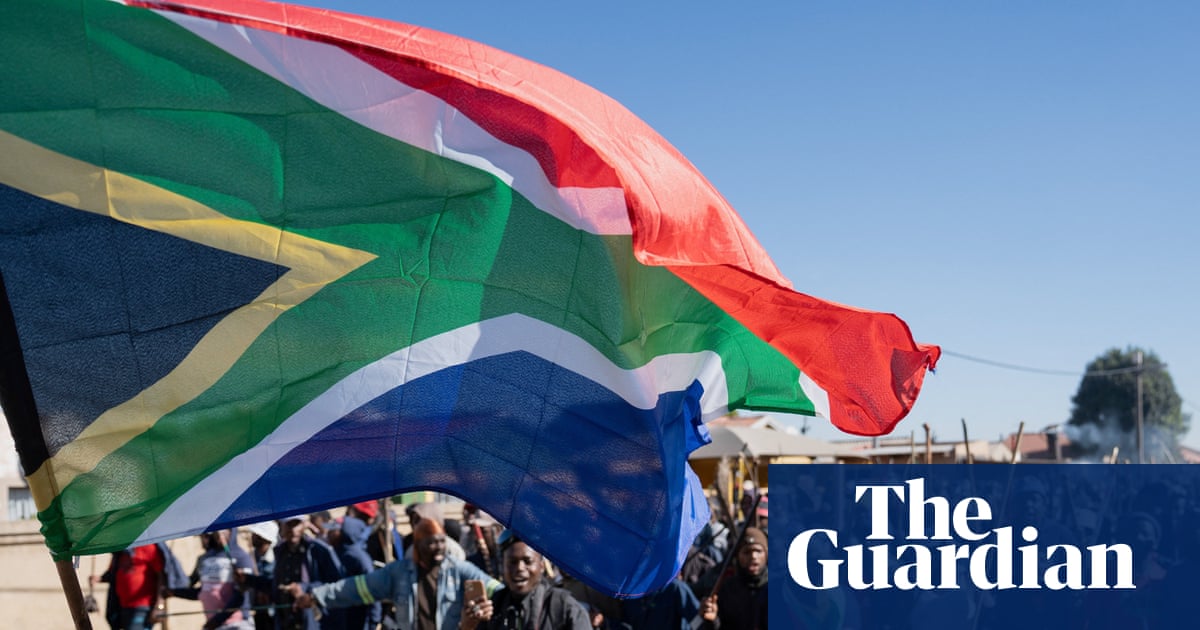
Fear is moving through immigrant communities in South Africa with the speed of a rumor and the force of a policy failure. What begins as neighborhood tension can quickly become something much bigger: raids, harassment, scapegoating, and a politics of blame that rewards outrage over solutions. For migrants trying to work, rent, study, or simply stay safe, the message is becoming brutally clear: belonging is conditional, and the conditions keep changing. The current wave of anti-immigrant anger is not just a law-and-order story. It is a test of whether South Africa can protect constitutional rights while confronting unemployment, crime anxieties, and political opportunism without turning vulnerable people into convenient targets.
- Anti-immigrant sentiment is escalating and creating daily insecurity for migrants and refugees.
- Political rhetoric matters because it can legitimize street-level harassment and vigilante behavior.
- The real drivers are structural: jobs, service delivery, crime fears, and weak trust in institutions.
- South Africa’s response will shape its global image as a constitutional democracy facing migration pressures.
- Any durable fix must combine enforcement with protection, not one at the expense of the other.
Why the South Africa immigrant backlash matters now
The phrase South Africa immigrant backlash is more than a headline. It is a warning signal. When fear spreads across a migrant population, the damage does not stay local or temporary. People stop going to work. Children miss school. Small businesses shut early or close altogether. Families avoid hospitals, police stations, and courts because the very institutions meant to protect them can feel unsafe or indifferent.
That is what makes this moment so combustible. South Africa has long carried the contradictions of a country built on constitutional ideals while wrestling with deep inequality, persistent unemployment, and periodic bursts of xenophobia. Immigrants from across the continent are often visible in informal trade, construction, agriculture, transport, and service work, which makes them easy to blame when communities feel abandoned. But blaming migrants for systemic failures does not solve those failures. It only sharpens the cracks.
When a country turns migration into a shortcut explanation for social pain, it is usually avoiding harder truths about governance, inequality, and public trust.
What is fueling the backlash
The backlash is being driven by a mix of political messaging, local resentment, and a wider sense of insecurity. In places where residents already feel squeezed by poverty and unemployment, immigrants become lightning rods. They are accused of taking jobs, crowding clinics, or undercutting local businesses. Sometimes those accusations are grounded in real competition for scarce resources. More often, they are inflated into a moral panic.
That is the dangerous part. Once a community begins treating migrants as a collective problem, the language shifts from debate to exclusion. The target is no longer an individual who may or may not be in the country legally. It becomes an entire category of people whose accents, documents, skin color, or neighborhood make them suspect.
Politics turns frustration into permission
Political actors know this script well. When public anger is high, blaming outsiders can be an effective way to channel discontent away from government performance. It is a short-term win with long-term costs. The rhetoric may energize supporters, but it also normalizes aggression. It tells ordinary people that intimidation is not only acceptable but patriotic.
That is how public frustration mutates into street-level enforcement. Vigilante groups feel licensed to stop, question, and expel. Local disputes become identity checks. A crime in one area gets generalized into a claim about an entire migrant population. The line between political speech and social violence gets thinner by the day.
The human cost of the South Africa immigrant backlash
For immigrants, fear is not abstract. It changes routines, finances, and mental health. Workers take longer routes home. Shop owners keep fewer goods on hand. Parents tell children not to speak certain languages in public. Some people hide identification documents. Others avoid police even when they are victims of assault or theft.
The result is a shadow economy of anxiety. People who already live near the margins become even more isolated. They lose income, trust, and mobility at the exact moment they need all three most. And because many migrants already lack strong safety nets, one incident can cascade into eviction, job loss, or deportation risk.
There is also the psychological toll. Living under constant suspicion teaches people to self-censor. It encourages quietness where civic participation should exist. That is corrosive in any society, but especially in a democracy that depends on people trusting institutions enough to use them.
Why fear spreads faster than facts
Social media, local rumor networks, and sensational political messaging can make misinformation travel faster than correction. A single alleged crime can become proof of a national conspiracy. One viral clip can harden prejudice across a city. Once that happens, facts alone rarely reverse the damage.
This is why responses that focus only on public statements are too weak. Governments and civic leaders need visible enforcement against hate crimes, clear communication about migration rules, and practical protections for those at risk. If the only reaction is condemnation after each incident, the backlash will keep finding new outlets.
Why enforcement alone will not fix South Africa immigrant backlash
There is a temptation to answer xenophobia with a harder border line or more aggressive policing. That may satisfy calls for action, but it misses the deeper problem. Restricting movement does not resolve unemployment. Raids do not repair schools. Deportations do not fix housing shortages or unreliable services.
South Africa’s challenge is not simply about who is allowed in. It is about how the state governs scarcity, and whether it can do so without outsourcing blame to the nearest vulnerable group. If the public sees the government as absent, corrupt, or ineffective, it will remain receptive to scapegoating. The backlash is therefore a governance story as much as a migration story.
Durable stability comes from institutions that are fair, visible, and predictable. Fear thrives where those qualities are missing.
What strong policy would actually look like
A serious response would need to work on multiple fronts at once. That means tighter action against violence and intimidation, but also stronger protections for lawful residents and asylum seekers. It means better local dispute resolution, faster investigation of hate crimes, and public messaging that separates crime from nationality.
- Protect vulnerable communities with rapid-response policing that targets violence, not nationality.
- Improve documentation systems so lawful migrants can navigate work, housing, and services without endless delays.
- Invest in local services to reduce the zero-sum competition that fuels resentment.
- Train officials to identify xenophobic abuse and respond consistently.
- Hold political leaders accountable when they use migrants as scapegoats.
Those measures are not soft. They are the architecture of order. If the state cannot protect a minority under pressure, it signals weakness to everyone else.
What businesses and communities should watch next
The private sector is often the first to feel the disruption. Informal traders and small businesses can be pushed out of markets by intimidation, while larger employers face staffing instability and reputational risk. Community tension can also raise operating costs as shops invest in security, lose working hours, or see customers stay away.
For civic organizations and local leaders, the next phase will likely depend on whether the current anger becomes episodic or institutionalized. If violent incidents are met with prosecution and visible protection, the temperature can cool. If not, anti-immigrant sentiment may harden into a political identity that outlives any single crisis.
The strategic lesson for South Africa
The deeper lesson is uncomfortable but clear: countries cannot police their way out of social failure, and they cannot ignore migration politics until it explodes. South Africa needs a response that is both principled and practical. That means defending the rule of law while acknowledging the real pressures communities feel.
Done badly, the backlash will deepen distrust, weaken economic activity, and stain the country’s democratic promise. Done well, it could force a long overdue reset: one that treats immigrants as human beings first and policy arguments second, while tackling the structural failures that make scapegoating so effective in the first place.
The stakes are not limited to immigrants. Once a society normalizes fear as a governing tool, everyone becomes more vulnerable. That is why this moment deserves more than outrage. It demands discipline, accountability, and a refusal to let blame masquerade as leadership.
The information provided in this article is for general informational purposes only. While we strive for accuracy, we make no guarantees about the completeness or reliability of the content. Always verify important information through official or multiple sources before making decisions.