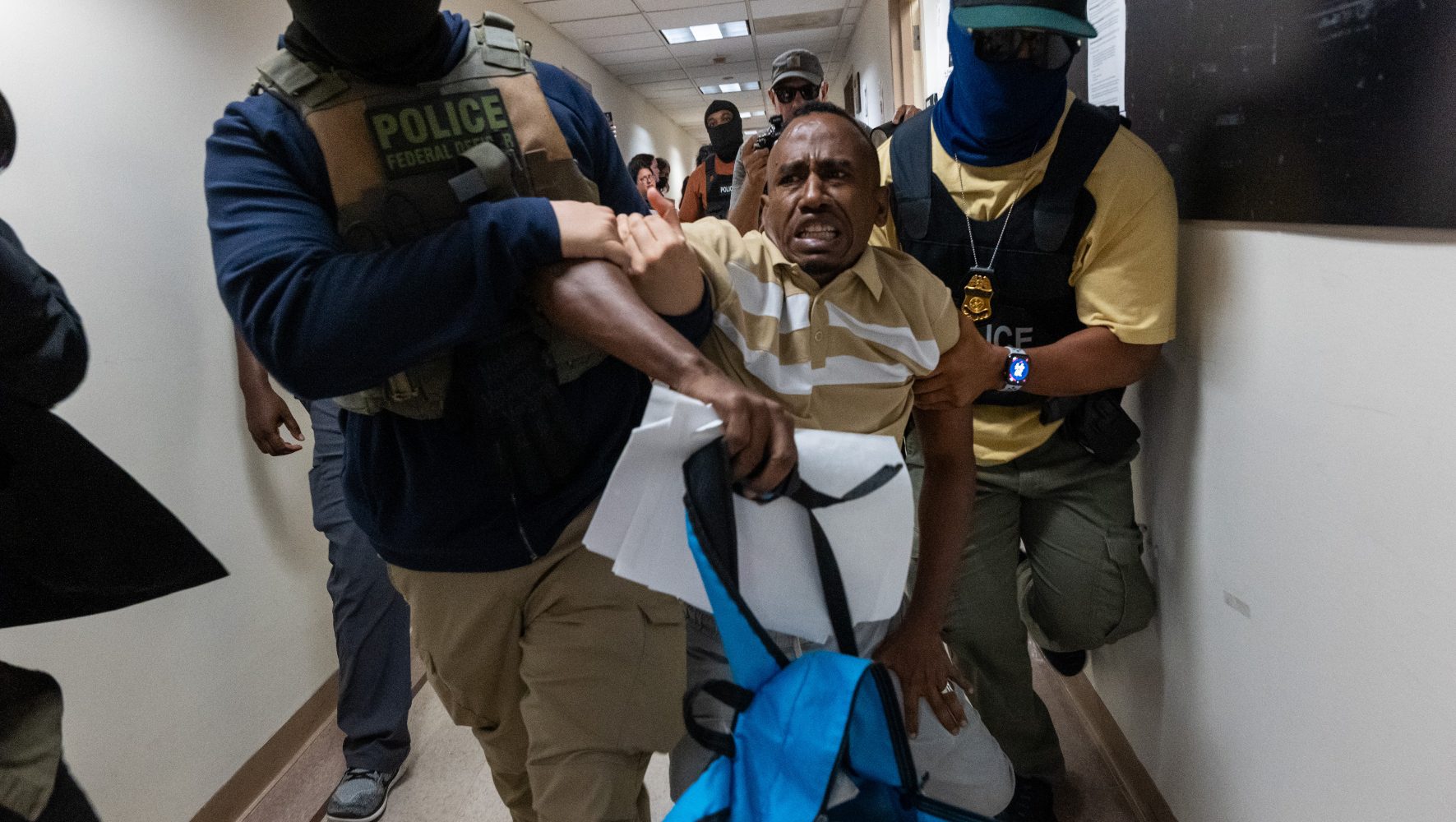
Strait of Hormuz Risks Hit Washington
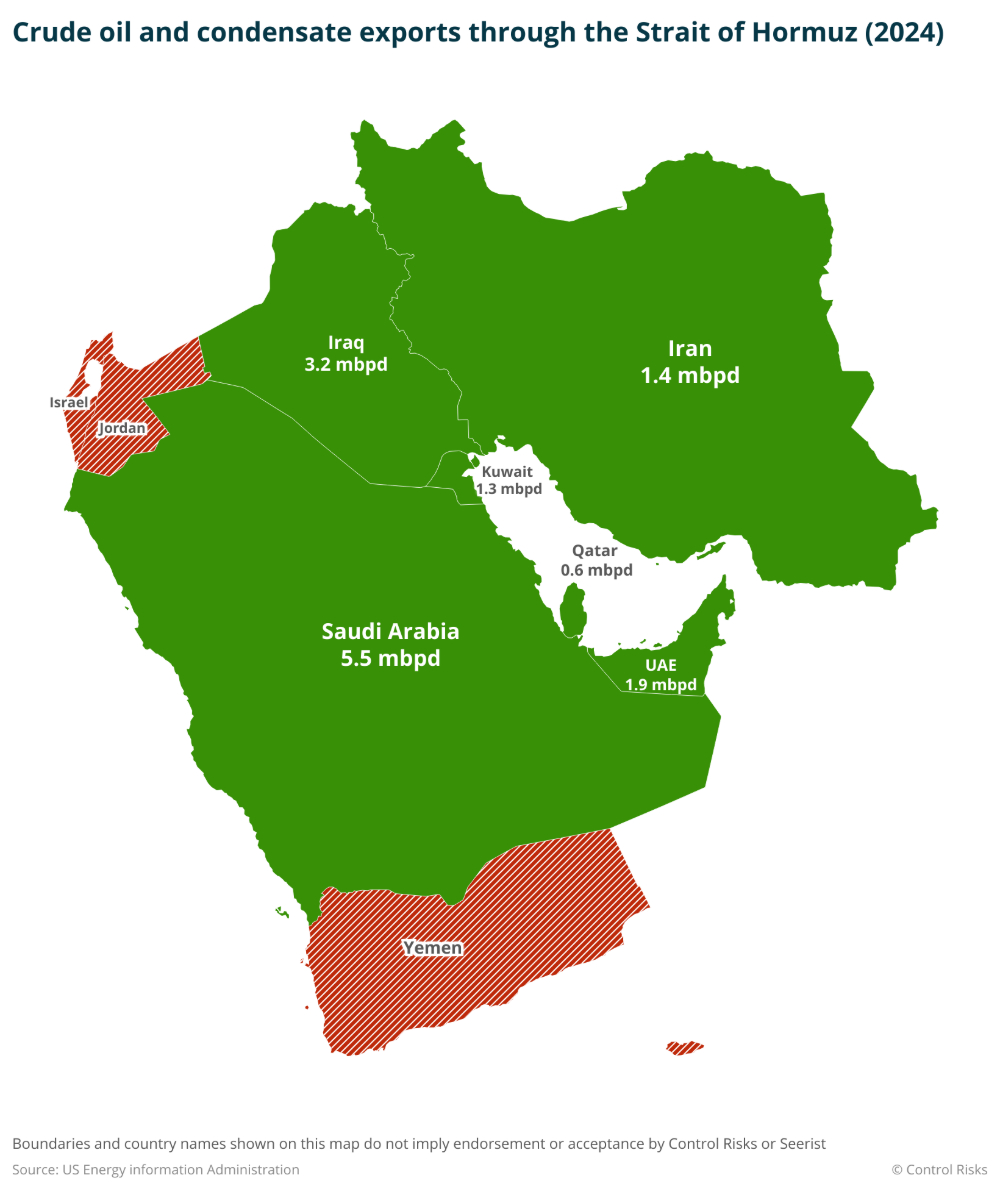
Strait of Hormuz Risks Hit Washington
The Strait of Hormuz risks now stretch far beyond a narrow shipping lane. They are colliding with Washington politics, energy market anxiety, homeland security funding fears, and a fresh public health controversy all at once. That combination matters because markets hate chokepoints, voters punish visible instability, and governments struggle when foreign policy pressure meets domestic dysfunction. What looks like a fragmented headline mix is actually a single story about strategic overload: the U.S. is being forced to manage geopolitical escalation abroad while staring down institutional stress at home. If you are trying to understand why one news cycle suddenly feels bigger than the sum of its parts, this is the moment to pay attention. The pressure is not just on oil prices or political messaging – it is on the federal government’s ability to look coherent under strain.
- Strait of Hormuz risks threaten energy flows, shipping confidence, and the broader perception of U.S. strategic control.
- A possible
DHSshutdown would land at the worst possible time, undermining confidence in domestic security readiness. - The fight over the surgeon general role shows how public health remains deeply politicized, even after years of system stress.
- These stories are connected by one theme: credibility – economic, political, and institutional.
Why the Strait of Hormuz risks matter right now
The Strait of Hormuz is one of those geographic bottlenecks that can suddenly dominate the global economy. A meaningful share of the world’s oil and liquefied natural gas moves through that corridor. When tensions involving Iran and the U.S. rise, the immediate concern is not only military escalation. It is whether traders, insurers, shipping companies, and allied governments begin pricing in disruption before any formal blockade or direct attack occurs.
That distinction is important. Modern economic shocks often start with expectation, not impact. Tankers do not need to stop moving entirely for the market to react. Freight costs can rise. Insurance premiums can jump. Futures markets can get jumpy. Political leaders can start talking tougher to avoid looking passive. Suddenly, a regional flashpoint becomes a domestic inflation story.
For Washington, this creates a dangerous policy squeeze. Respond too softly, and critics argue deterrence is failing. Respond too aggressively, and the administration risks deepening the crisis it is trying to contain. The result is a narrow decision lane where every signal matters.
Energy chokepoints are psychological as much as physical
There is a tendency to think of shipping routes in purely logistical terms: barrels in, barrels out, prices up, prices down. But energy chokepoints also work as tests of political confidence. If the market believes the U.S. and its partners can secure passage, volatility may stay manageable. If that confidence slips, the story changes fast.
Why this matters: higher energy prices do not stay contained to commodities screens. They bleed into transportation, consumer goods, industrial inputs, airline costs, and household sentiment. That can become a political problem long before it becomes a supply problem.
When a strategic waterway becomes a headline, the real question is not only whether supply is interrupted. It is whether confidence is.
Washington’s domestic problem is timing
Foreign policy crises are hard enough on their own. They become much harder when paired with visible domestic instability. That is where the possibility of a DHS shutdown enters the picture. The Department of Homeland Security touches border operations, emergency coordination, transportation security, cybersecurity functions, and a broad architecture of daily federal presence. Even the threat of disruption sends the wrong message during an international pressure campaign.
The practical effects of a shutdown can vary by function because some roles continue under emergency or essential status, while others slow, pause, or operate under severe strain. But politically, nuance often loses. The public hears “shutdown” and reads dysfunction. Allies hear distraction. Adversaries may hear opportunity.
This is not just a budgeting argument. It is a credibility argument. If the federal government appears unable to keep core institutions stable while managing a geopolitical flashpoint, every other message about resilience gets weaker.
What a DHS shutdown would signal
- Operational strain: frontline personnel may continue working, but morale and administrative continuity suffer.
- Security perception risk: public confidence in transportation and border systems can erode quickly.
- Cyber posture concerns: uncertainty around staffing and prioritization can raise questions about response readiness.
- Political vulnerability: opponents gain a simple narrative that the government cannot manage basics while confronting external threats.
Pro tip for readers tracking this story: watch not only whether a shutdown happens, but also how officials frame contingency planning. The language around readiness often reveals how worried they are about public confidence.
Public health is still a proxy war
The surgeon general fight may seem disconnected from maritime security and homeland funding, but that would miss the larger pattern. Public health leadership in the U.S. is no longer treated as a technocratic appointment alone. It is a symbolic office inside a much wider cultural and political battle over expertise, trust, science communication, and the role of federal guidance.
That makes the position unusually exposed. Debates around a surgeon general nominee can quickly become debates about vaccines, parental authority, mental health frameworks, reproductive policy, and the legitimacy of public institutions. A role once viewed as advisory can now serve as a referendum on competing versions of state power.
Why this matters: governments under stress need credible messengers. If every expert-facing role becomes instantly polarized, crisis communication gets harder across the board – whether the issue is disease, environmental danger, or national emergency planning.
In modern U.S. politics, even a medical appointment can become a test of whether expertise still carries authority.
The common thread is institutional trust
At first glance, the day’s major themes look unrelated: Iran, the Strait of Hormuz, a possible DHS shutdown, and a surgeon general clash. But the connective tissue is straightforward: each story tests whether institutions can still project control when events become politically expensive.
That is the strategic lens worth keeping. Voters and markets are not measuring every issue with technical precision. They are asking a simpler question: does the system look steady? If oil routes look vulnerable, if homeland funding looks unstable, and if health leadership looks ideological, then the aggregate impression is fragility.
Why perception now drives the policy environment
Perception has always mattered in politics, but it matters even more in high-speed media cycles where fragmented events merge into one emotional narrative. A single administration can find itself judged not on the details of each issue, but on whether all the issues together suggest drift.
This is where newsroom framing and policymaker discipline become crucial. Officials will try to separate these developments into clean lanes: foreign affairs, budget politics, and nominations. The public probably will not. The public sees a system absorbing multiple shocks at once.
How to read the next phase strategically
If you want to understand where this goes next, focus on a few practical indicators rather than the loudest rhetoric.
1. Watch shipping and energy language
You do not need minute-by-minute commodity analysis to spot escalation. Listen for terms like maritime security, freedom of navigation, deterrence posture, and insurance premiums. When those phrases move from specialist circles into broad political messaging, the concern is widening.
2. Track whether DHS talks become symbolic
Budget fights often begin in technical language and end in theatrical language. Once lawmakers start using a shutdown threat to make broader arguments about national decline, accountability, or executive weakness, the issue is no longer just appropriations. It becomes an identity fight with fewer off-ramps.
3. Measure public health debate by trust, not policy detail
The key question around a surgeon general battle is not simply what one nominee believes. It is whether the office can still function as a trusted communications node. In a polarized system, that may be the tougher test.
What policymakers need to get right
There is no perfect playbook for managing concurrent geopolitical, fiscal, and institutional tensions. But there are some obvious strategic priorities.
- Keep messaging disciplined: mixed signals on the
Strait of Hormuzcan spook markets faster than events on the water. - Avoid self-inflicted domestic instability: a
DHSfunding breakdown weakens every argument about preparedness. - Protect expert credibility where possible: public health leadership should not be treated as disposable political scenery.
- Explain consequences concretely: voters understand fuel prices, airport delays, emergency response, and trust in doctors more than abstract policy language.
If there is a single lesson here, it is that modern governance is judged at the intersection of systems. Security is economic. Public health is political. Budget fights are reputational. None of these lanes stay separate for long.
Why Strait of Hormuz risks could define the broader narrative
Among all these threads, Strait of Hormuz risks may end up carrying the biggest narrative weight because they provide the external trigger that makes every domestic weakness look more dangerous. A government can survive internal fights during calm periods. It has a much harder time defending them during visible international strain.
That is why this moment feels so loaded. It is not only about whether a shipping lane remains open, whether a department stays funded, or whether a nomination survives. It is about whether the U.S. political system can still look durable when confronted with overlapping stress tests.
The answer will not come from one speech or one vote. It will come from whether institutions can reduce uncertainty instead of amplifying it. Right now, that is the real challenge facing Washington – and it is the reason these seemingly separate headlines belong in the same conversation.
The information provided in this article is for general informational purposes only. While we strive for accuracy, we make no guarantees about the completeness or reliability of the content. Always verify important information through official or multiple sources before making decisions.