Sudan War Anniversary Exposes a Global Failure

The most dangerous thing about the Sudan war anniversary is how easy it is to miss. A conflict that began as a scramble for power has hardened into something worse: a permanent emergency that keeps devouring civilians, institutions, and any illusion that the international system will act before the damage becomes irreversible. The Take’s framing matters because Sudan is not just another faraway crisis. It is a stress test for diplomacy, humanitarian response, and the credibility of governments that say they care about civilian protection. As the war drags on, the real story is no longer whether the fighting will produce instability. It already has. The question is whether the world can still interrupt the momentum of collapse before displacement, hunger, and fragmentation become the new normal. That is what the Sudan war anniversary forces us to confront.
- The war is no longer temporary: What began as a power struggle now looks like a durable system of violence and control.
- Civilians are paying the real price: Hospitals, schools, markets, and aid networks are being hollowed out faster than headlines can keep up.
- Regional spillovers are growing: The conflict is reshaping migration, trade, and security across neighboring states.
- Attention is not enough: The response needs leverage, enforcement, and sustained political pressure, not just statements.
Why the Sudan war anniversary matters now
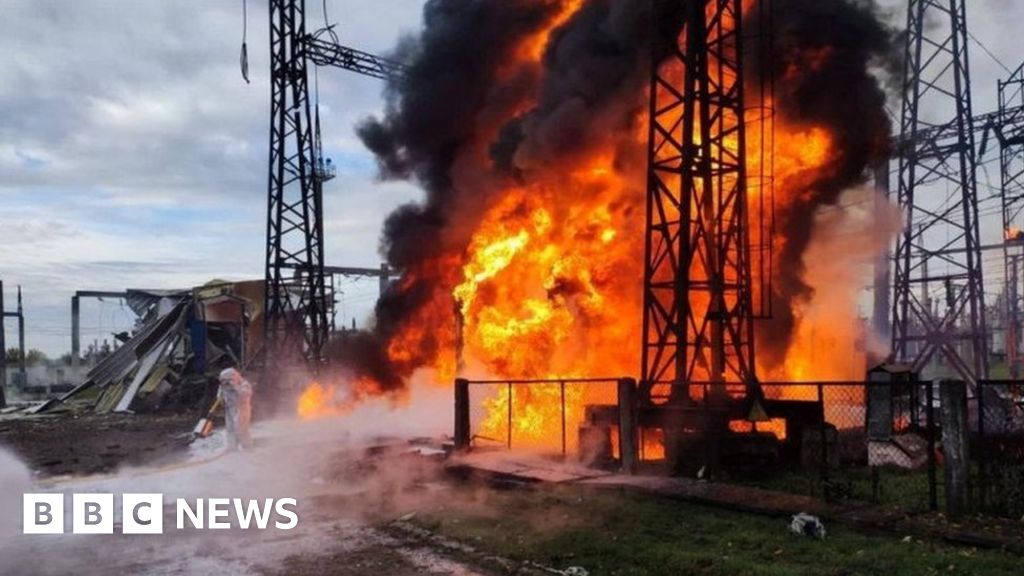
Sudan’s conflict is often flattened into a headline about fighting, but that misses the core problem. The war has become a competition over state legitimacy, territory, and access to resources, while ordinary people pay the price in amputated services, empty markets, and shattered neighborhoods. The conflict between the SAF and RSF is not only a military contest. It is an attempt to rewrite who gets to govern, who gets to extract value, and who gets left behind. Every anniversary is a reminder that the crisis is compounding. Hospitals run without reliable power. Schools cannot stay open. Aid groups face a maze of blocked roads, insecurity, and bureaucratic choke points. The result is not only suffering. It is institutional decay.
That decay matters because states do not bounce back automatically from prolonged conflict. Once public systems collapse, war economies step in. Armed actors tax movement, control fuel, shape food access, and recruit from communities that have lost everything. In that sense, the Sudan war anniversary is less a date than a diagnosis. The violence is visible. The administrative failure behind it is what makes recovery much harder. Anniversaries can create the illusion of distance, as if time itself provides perspective. In Sudan, time has done the opposite. It has made the war more entrenched, more profitable for spoilers, and more punishing for everyone else.
The deepest danger is not only the front line. It is the slow conversion of state failure into an accepted fact.
There is also a misleading comfort in treating Sudan as a frozen tragedy. Conflicts are easier to ignore when they do not fit a simple arc. But Sudan is dynamic, not static. Alliances shift, local administrations fragment, and survival strategies harden into political order. That is what makes anniversaries deceptive. They suggest repetition, when the real story is adaptation: armed actors learning how to sustain war, and civilians learning how to survive inside it. The war keeps changing shape, and every new shape comes with fresh costs.
What the Sudan war anniversary reveals about global power
Sudan is not isolated from global interests. It sits at the intersection of Red Sea security, African regional politics, migration routes, and outside powers that often prefer influence without responsibility. That makes the conflict attractive to interference and easy to ignore at the same time. The irony is brutal. Many governments can see enough of Sudan to shape the outcome, but not enough to own the consequences. The international response has often been reactive, fragmented, and too polite about leverage. That matters because wars survive on predictability. If external actors can count on weak consequences, they can keep feeding the battlefield while publicly supporting peace. The gap between rhetoric and pressure is where the conflict keeps breathing.
Region first, headlines second
When a war extends across cities, agricultural zones, and border corridors, the impact spreads outward. Refugee flows strain neighbors. Cross-border trade slows. Armed groups adapt faster than diplomats. The result is a conflict that behaves like a regional contagion, even when coverage treats it as a local tragedy. That is why the Sudan war anniversary should be read alongside the wider instability of the Sahel, the Horn of Africa, and the Red Sea corridor. These are connected pressures, not separate problems. When food routes break, when capital flees, and when armed actors learn that fragmentation is profitable, the damage rarely stops at the border.
Pro tip: when a war becomes chronic, follow the logistics, not just the battlefield. Fuel routes, food access, banking restrictions, and aid corridors often reveal more about the future than the daily combat map does.
- Security: Prolonged conflict creates recruitment pools, smuggling networks, and armed fragmentation.
- Economics: Disrupted grain, fuel, and labor flows raise costs well beyond the battlefield.
- Governance: Neighboring states absorb refugees and political pressure while their own institutions weaken.
Why this matters beyond the map: once a conflict becomes routine, it rewires what the region accepts as normal. That normalization is often the most durable victory for armed actors, because it lowers the political cost of continued violence. The Sudan war anniversary is therefore not just about remembrance. It is a warning that international indifference can become a force multiplier.
The cost of treating collapse as background noise
Wars become manageable on paper when they are described with passive language. Casualties become figures. Displacement becomes a trend. Hunger becomes a humanitarian condition instead of a political failure. Sudan suffers from that flattening. It invites a familiar pattern: leaders issue concern, aid agencies sound alarms, and the news cycle rotates elsewhere. But civilians remain trapped in the same mechanics of violence, with fewer institutions left to catch them. The more chronic the crisis becomes, the easier it is for decision makers to mistake familiarity for progress.
This is where editorial skepticism is useful. Whenever a conflict is described as complicated, it is often a sign that too many actors benefit from the confusion. Complexity is real, but it should not become an excuse for inaction. The harder truth is that many of the levers available to outside powers are not dramatic. They are persistent. Arms pressure. Sanctions that stick. Support for relief corridors. Financial scrutiny. Diplomatic coordination that rewards compliance instead of ambiguity. These are not glamorous tools, but they are the tools that can shift incentives. Without them, every peace statement starts to sound like performance art.
Humanitarian language without political leverage is just a more polished way to describe abandonment.
The media challenge is equally serious. Conflicts without a single capital under siege or a clean victory narrative are easy to bury. Yet slow wars are often the ones that do the most long-term damage. They erode education, health systems, trust, and the idea that any public institution can still function. They also make accountability harder, because evidence gets scattered while witnesses flee. That makes Sudan not a side story, but a preview of what prolonged impunity looks like when the international order does not fully care enough to stop it.
What smart observers watch next
- Ceasefire language: Watch whether talks produce real civilian protections or only a pause that resets the battlefield.
- Humanitarian access: Relief corridors, customs bottlenecks, and road safety matter more than symbolic pledges.
- External backers: Follow the supply chains, funding streams, and diplomatic shields that keep combatants viable.
- Local resilience: Community networks, medical volunteers, and informal governance often tell the truth before states do.
What has to change next
If the Sudan war anniversary is going to mean anything, it has to move people from outrage to leverage. That means recognizing that conflict management is not the same as conflict resolution. Management lets the crisis continue at a lower temperature. Resolution changes incentives for the actors who keep the war alive. It also means accepting that every delayed response creates a larger bill later, not just in humanitarian terms but in regional instability and political cynicism.
- Prioritize civilians: Any diplomacy that ignores protection, access, and displacement is incomplete.
- Pressure enablers: External backers, financiers, and weapon pipelines shape the pace of the war.
- Fund recovery early: Schools, clinics, and local administration need support before peace looks convenient.
- Keep attention on the record: Abuses documented now shape accountability later.
The future implications are stark. If Sudan remains trapped in fragmentation, the cost will not stay inside its borders. It will reshape regional trade, deepen migration pressures, and normalize the idea that a major humanitarian disaster can continue while the world debates language instead of action. That is the real warning embedded in this anniversary. Not that Sudan is uniquely broken, but that the international response to Sudan reveals how comfortable the world has become with watching collapse unfold in real time.
The uncomfortable conclusion is also the most honest one. Sudan does not just need sympathy. It needs sustained political attention, measurable pressure, and a refusal to let another anniversary pass as if memory were a substitute for action.
The information provided in this article is for general informational purposes only. While we strive for accuracy, we make no guarantees about the completeness or reliability of the content. Always verify important information through official or multiple sources before making decisions.