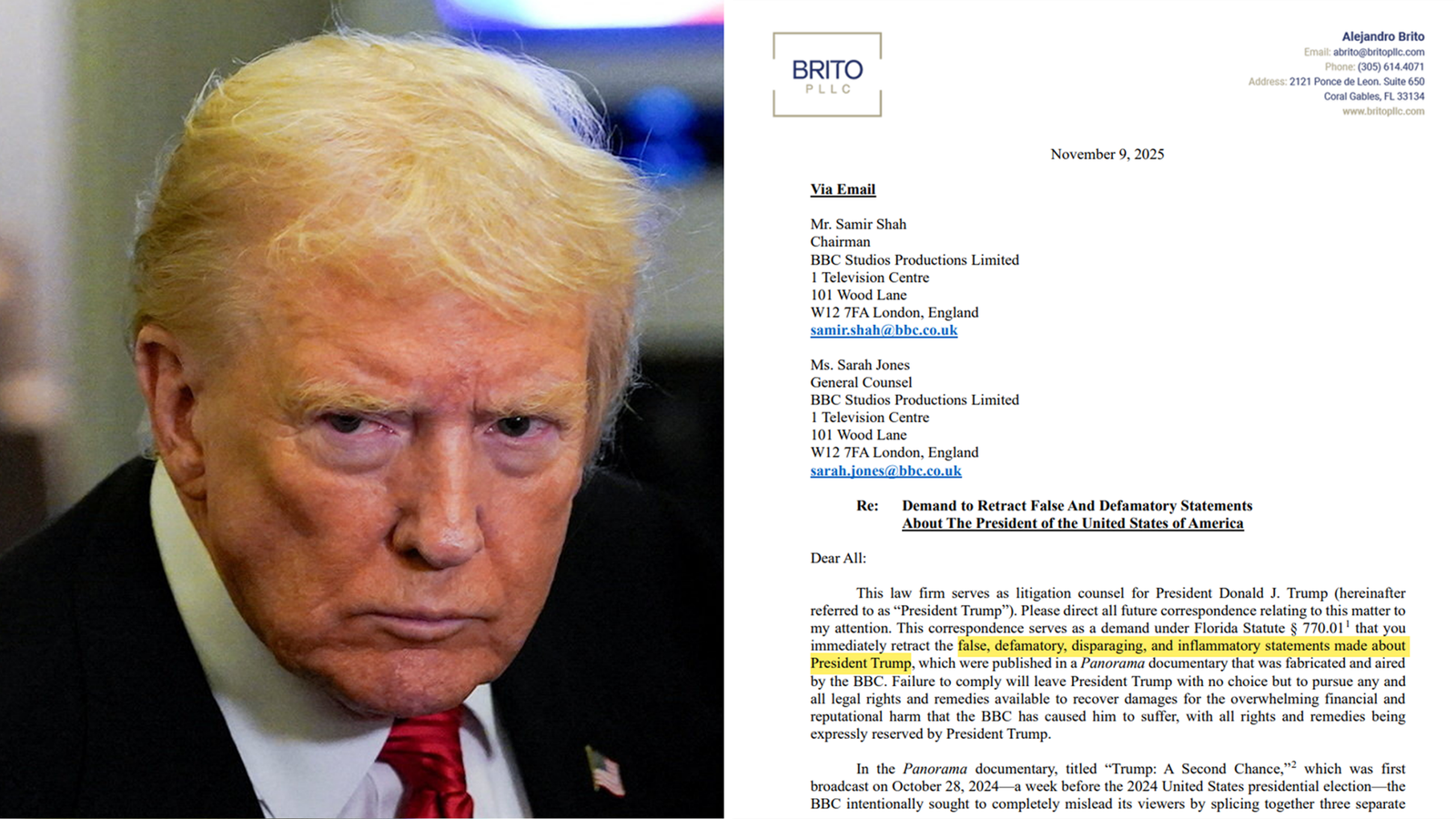
Supreme Court Showdown on Birthright Citizenship Rewrites the American Playbook
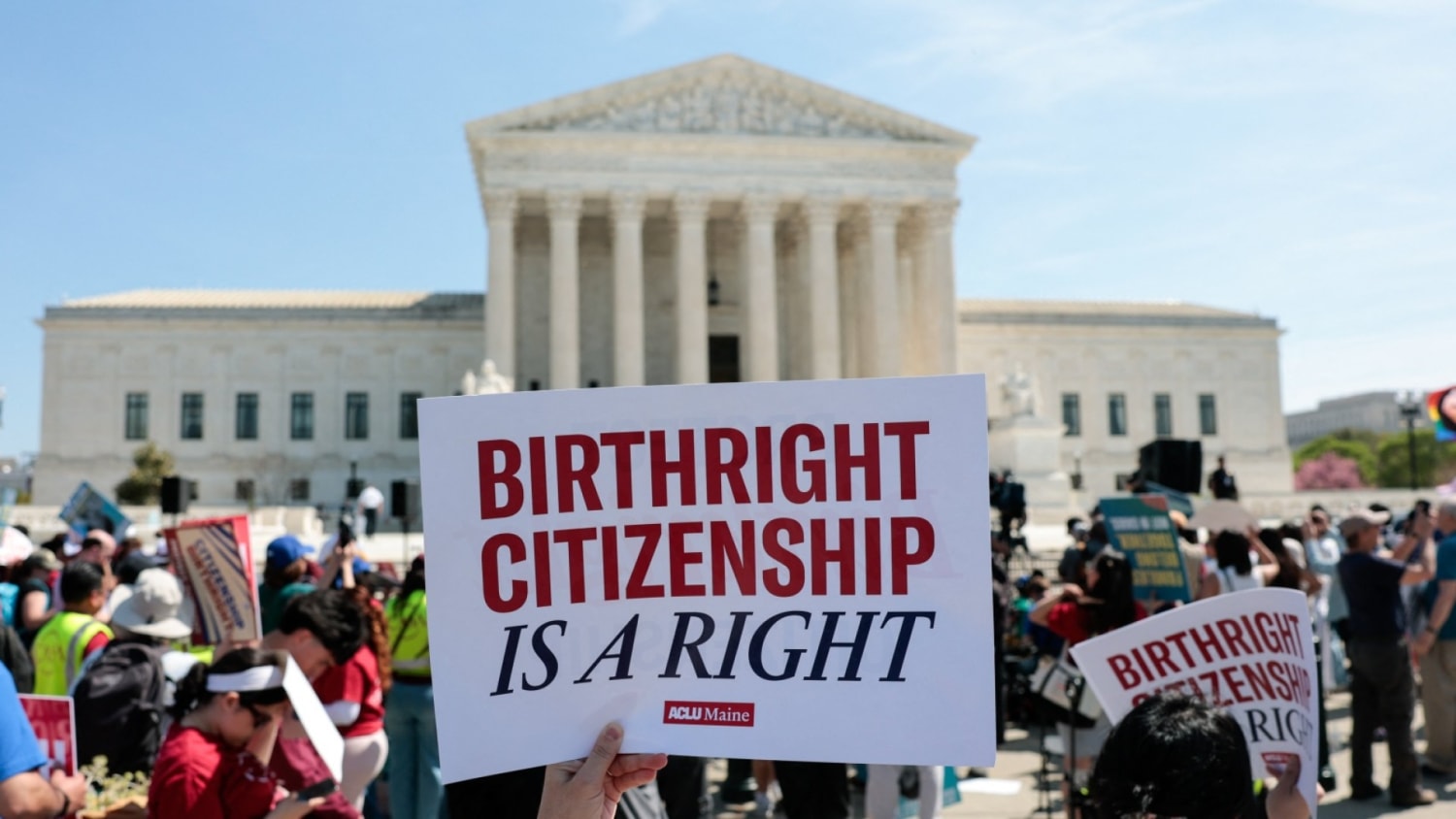
Supreme Court Showdown on Birthright Citizenship Rewrites the American Playbook
The fight over birthright citizenship Supreme Court isn\’t just another Beltway skirmish. It is a stress test for the Fourteenth Amendment, a referendum on executive power, and a litmus test for how far political theatre can bend the Constitution before it breaks. Readers want to know whether the promise that every child born on U.S. soil becomes a citizen is about to be rewritten – and why a former president is daring the judiciary to redraw the map. This confrontation fuses law, identity, and electoral calculus into one volatile moment that could ripple through immigration policy, voting blocs, and national cohesion for decades.
- The case challenges the core interpretation of the Fourteenth Amendment and its
birthright citizenship Supreme Courtprecedent. - A ruling could redefine federal authority over immigration and executive orders.
- Families, industries, and electoral coalitions face immediate stakes in citizenship certainty.
- Future administrations may gain a new playbook for reshaping constitutional norms.
How We Got Here: From Rally Rhetoric to Courtroom Reckoning
Birthright citizenship has long stood on the plain language of the Fourteenth Amendment: if you are born on U.S. soil and subject to its jurisdiction, you are a citizen. The former president\’s renewed push turns campaign rally lines into a legal gambit, seeking to narrow who is considered “subject to the jurisdiction.” It converts a culture-war talking point into a direct challenge to precedents that date back to United States v. Wong Kim Ark, a case that has anchored the doctrine for more than a century.
This path to the Supreme Court was paved by executive orders testing statutory boundaries, lower-court injunctions, and a crescendo of appeals that made the issue ripe for review. The stakes exceed immigration. They extend to the separation of powers: can the executive effectively redefine constitutional interpretations via policy shifts, or does that authority reside solely with the judiciary and, ultimately, constitutional amendment?
“If citizenship can be edited by executive pen, no right is safe from administrative revision,” argues one constitutional scholar watching the docket.
The case has also become a political accelerant. Campaigns on both sides are fundraising and mobilizing around the pending arguments, framing the Court\’s review as either a restoration of sovereignty or an assault on a constitutional promise.
Inside the Legal Mechanics
Main Precedent: birthright citizenship Supreme Court and Wong Kim Ark
The century-old Wong Kim Ark decision upheld the citizenship of a San Francisco-born child of Chinese immigrants barred from naturalization under exclusionary laws. The ruling affirmed that birthplace, not parental status, anchors citizenship. Any reversal or narrowing would require the Court either to reinterpret “subject to the jurisdiction” or to assert that Congress can legislate limitations without a constitutional amendment. Both moves would be seismic.
Executive Authority vs. Constitutional Text
The contested executive order attempts to redefine jurisdictional scope through administrative criteria: excluding children whose parents lack lawful status or temporary legal presence. Critics note that the executive branch is not empowered to redraw constitutional lines, while supporters argue that jurisdictional nuances have always been subject to statutory clarification. The justices must decide if the order is an unconstitutional end-run or a permissible interpretation left open by the text.
The Standing Debate
Who gets to bring this case is pivotal. Advocacy groups representing affected families assert harm through citizenship uncertainty, while some states claim resource strain. The Court\’s appetite for broad standing could either open the door to a sweeping ruling or punt on a technicality, leaving lower courts to wrestle with fragmented applications.
Possible Outcomes and Their Shockwaves
A full-throated affirmation of existing birthright doctrine would entrench the status quo and curtail future executive experiments. A partial narrowing could create a two-track citizenship standard tied to parental status, igniting administrative chaos over documentation and retroactivity. A radical reversal would invite constitutional amendments, legislative gridlock, and a generational legal battle over identity and belonging.
Why This Matters to Families, Employers, and Voters
Citizenship is not an abstract legal puzzle. Families rely on it to secure education, healthcare, and stability. Employers depend on clear work authorization; industries from agriculture to tech fear a paperwork thicket if new verification regimes emerge. Voters see the Court\’s decision as a signal of institutional reliability – or fragility. Trust in the judiciary is already under strain; an opinion that appears politically motivated could deepen cynicism toward all three branches.
Financial markets also watch these decisions. Changes to citizenship rules can ripple into consumer confidence, labor mobility, and demographic projections that underpin investment models. The housing and education sectors, sensitive to population shifts, may see volatility simply from uncertainty.
Pro Tips for Legal and Policy Teams
- Audit internal onboarding processes now to ensure documentation resilience if verification rules tighten.
- Model workforce scenarios that account for potential reclassification of employee status.
- Prepare communication templates explaining citizenship or authorization impacts to stakeholders.
- Track state-level responses; some may create protective measures or guidance that interacts with federal shifts.
Political Calculus: Campaigns Gamble on Identity
Campaign strategists view this case as a turnout engine. One side frames it as reclaiming national sovereignty and curbing unlawful migration. The other pitches it as a defense of constitutional fidelity and immigrant communities. Both narratives collapse the nuance of legal interpretation into mobilizing slogans, risking further polarization regardless of the ruling.
Should the Court side with the executive, legislators may be pressured to codify or limit the ruling. If the Court rebukes the order, expect intensified calls for legislative action to “clarify” the amendment – a prelude to a broader immigration overhaul or another round of gridlock.
Industry Lens: Tech, Agriculture, and Healthcare
Tech: Talent Pipelines Under Threat
Tech firms rely on stable pathways for U.S.-born children of mixed-status families to join the future workforce without legal friction. A narrowed citizenship rule could disincentivize international talent from planting roots, weakening the nation\’s innovation pipeline.
Agriculture: Labor Certainty
Farms and food processors, already grappling with visa constraints, fear added uncertainty. If children born in agricultural hubs face new hurdles, the sector could see long-term labor shortages and higher costs passed to consumers.
Healthcare: Coverage and Compliance
Hospitals face compliance headaches if patient eligibility hinges on nuanced citizenship determinations. Pediatric care and public health programs would be strained by ambiguity over who qualifies, increasing uncompensated care risks.
Social Fabric: Identity, Belonging, and Precedent
Birthright citizenship functions as social glue. It grants children a clear civic identity from day one. If that glue is weakened, expect a rise in stateless or quasi-stateless individuals – residents who live, learn, and work in America without a guaranteed claim to it. Historical lessons show that ambiguous status breeds marginalization, economic stagnation, and legal limbo.
Precedent matters. A decision to narrow birthright citizenship could invite challenges to other settled rights, signaling that foundational interpretations are negotiable. That perception alone can chill civic engagement and fuel skepticism about equal protection.
Future Scenarios: What Each Ruling Unlocks
Scenario 1: Status Quo Affirmed
The Court upholds birthright citizenship unequivocally. Executive overreach is checked, markets stabilize, and the political narrative shifts to other immigration levers like asylum reform or legal pathway expansions.
Scenario 2: Narrowed Citizenship Criteria
The Court accepts some jurisdictional limits tied to parental status. Expect rapid administrative rulemaking, litigation over retroactive application, and a patchwork of state guidance. Businesses scramble to verify employee status; families brace for paperwork gauntlets.
Scenario 3: Radical Reversal
An unlikely but explosive outcome: the Court rejects the longstanding interpretation and invites Congress to legislate. Constitutional amendment talk resurges, and every branch faces legitimacy questions. International allies and critics alike reassess America\’s commitment to its own founding promises.
Why Investors and Operators Should Care
Policy volatility is a risk multiplier. Operators should map exposure: employee status, regulatory compliance, and consumer sentiment. Investors should scrutinize sectors with high labor sensitivity and monitor legal timelines that could affect quarterly guidance.
Editorial Take: Guardrails Matter
This case is a referendum on institutional guardrails. If the Court signals that constitutional meaning can be recast by executive policy, it lowers the threshold for future erosions – not just on immigration, but on speech, privacy, and equal protection. Conversely, a firm rebuke of unilateral reinterpretation could restore some confidence in the separation of powers, even as political actors weaponize the ruling in campaign ads.
“Constitutions are not self-enforcing; they rely on institutions that refuse to bend to transient political winds,” notes a former appellate judge.
Whatever the outcome, the Court will write a chapter that future executives cite either as precedent for bold experimentation or as a cautionary tale against constitutional freelancing.
What to Watch Next
- Oral argument signals: questions on standing vs. substance will reveal whether the Court wants a narrow or sweeping decision.
- Interim guidance from DHS and DOJ that hints at implementation timelines.
- State-level legislative moves to reinforce or contest federal interpretations.
- Market reactions in labor-sensitive sectors following each procedural milestone.
Bottom Line for Stakeholders
Citizenship stability is the bedrock of economic planning and social cohesion. The Supreme Court\’s handling of the birthright citizenship Supreme Court challenge will either reaffirm that bedrock or introduce fissures that widen over time. Stakeholders should prepare for procedural whiplash, sharpen compliance playbooks, and engage in the policy conversation before the ruling hardens into the new normal. The decision will echo beyond immigration – it will signal how durable America\’s constitutional promises really are.
The information provided in this article is for general informational purposes only. While we strive for accuracy, we make no guarantees about the completeness or reliability of the content. Always verify important information through official or multiple sources before making decisions.