Swalwell Jumps Into California Governor Race
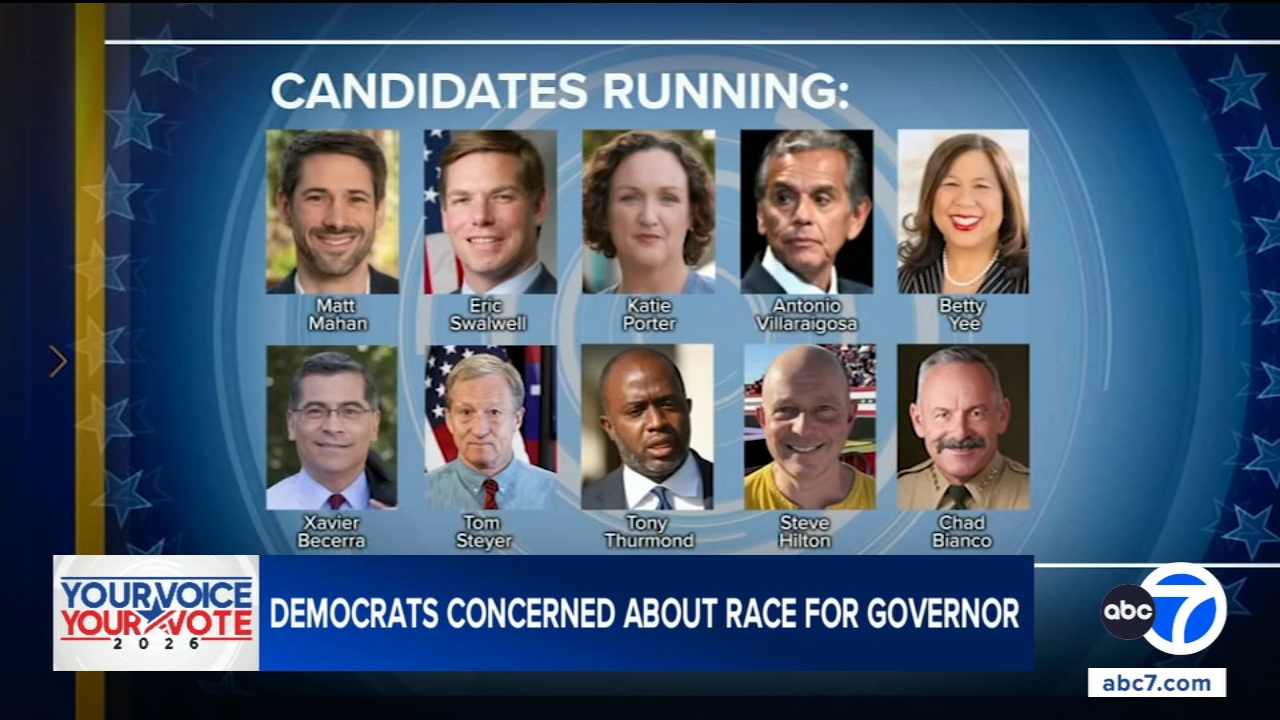
Eric Swalwell’s move into the California governor race does more than add another candidate to a crowded field. It raises the temperature on a contest that already carries national weight, because California is not just choosing a governor. It is deciding which version of Democratic leadership can still look credible when the state is squeezed by housing costs, climate risk, public safety anxieties, and chronic distrust of institutions. Swalwell is a high-recognition, high-voltage entrant, which means he can change the conversation fast. But fast is not the same as durable. The real question is whether voters see a fighter who can govern, or just another politician who knows how to own a news cycle. In a cycle like this, that distinction can decide everything.
- Swalwell brings national name recognition into a race that rewards instant attention.
- The California governor race will hinge on whether voters prioritize energy, competence, or ideological clarity.
- Democrats face a familiar problem: big personalities can raise money, but they also narrow the conversation.
- The field is likely to become a proxy battle over the party’s future, not just the state’s next budget cycle.
Why the California governor race suddenly got louder
The California governor race was already headed toward a brutal identity test. Governor terms are finite, celebrity politics is second nature in the state, and every ambitious Democrat knows that a national profile can be both a weapon and a liability. Swalwell’s presence intensifies that tension. He is the kind of figure who can dominate cable hits and force opponents onto defense, which matters in a state where media saturation is part of the campaign infrastructure. But visibility is not the same thing as trust. California voters have seen enough polished messaging to know that rhetoric is cheap and governing is expensive.
Swalwell’s biggest asset may be his loudest vulnerability: he can command attention without promising voters a soft landing.
That is not a small thing. The modern California governor race tends to reward candidates who look calm under pressure, especially when the state is navigating housing costs, migration, infrastructure strain, climate shocks, and an electorate that alternates between progressive ambition and fiscal anxiety. A candidate like Swalwell has to prove he is not just another nationalized politician trying to turn Sacramento into a stage set.
What Swalwell changes in the California governor race
Swalwell changes the race because he changes the tempo. Campaigns are not only about policy – they are about what gets discussed, and Swalwell is built to force discussion. That can flatten rivals who are slower, less telegenic, or more technocratic. It can also invite scrutiny that a quieter candidate might avoid. In a crowded California governor race, the first challenge is not winning every argument. It is surviving the attention economy long enough to define yourself before someone else does it for you.
The name recognition advantage
National name recognition is valuable in an era when donors, activists, and voters all live inside a compressed news cycle. A candidate who can generate immediate awareness cuts months off the traditional introduction phase. That helps with fundraising, volunteer recruitment, and early debate positioning. But it also creates a trap. If voters already think they know you, you do not get many second chances to rewrite the story.
The anti-establishment problem
California voters are not anti-elite by instinct, but they are deeply skeptical of politicians who sound more interested in the next microphone than the next pothole. That is where the California governor race becomes slippery for anyone with a national brand. The more a candidate looks like a partisan fighter, the easier it is for rivals to frame them as distracted from the state itself. The state does not need a proxy war for Washington. It needs a governor who can actually move agencies, budgets, and timelines.
The policy test
Swalwell, like any serious contender, will eventually have to do the unglamorous work of proving he can govern on three fronts at once: affordability, climate resilience, and public confidence in institutions. Those are not campaign slogans. They are operational burdens. Voters increasingly want candidates to explain how they will execute, not just what they believe. In the California governor race, that distinction can decide who looks bold and who looks unserious.
The California governor race rewards structure, not just swagger
California is not won by one brilliant TV hit or one viral clip. The state rewards scale, patience, and the ability to build a coalition that spans coastal professionals, suburban moderates, labor, and parts of the electorate that never show up in the same room at the same time. That is why the top-two primary matters so much. It pushes candidates to think about general-election math early, even while the primary is still taking shape.
For Swalwell, that means every move has two audiences. Primary voters want conviction and contrast. General-election voters want reassurance. The art is not choosing one voice forever. It is proving that you can be forceful without becoming exhausting. That is easier to say than to execute, and California campaigns have buried plenty of ambitious candidates who confused momentum with inevitability.
A candidate can win the attention race and still lose the trust race.
That line explains the stakes here. If Swalwell leans too hard into combat, rivals will describe him as a performer. If he overcorrects and sounds too cautious, he risks looking generic in a field that will reward sharp edges. The sweet spot is narrow: energetic enough to matter, disciplined enough to endure.
What the California governor race says about Democrats
The most revealing part of this contest is that it exposes a Democratic dilemma that is now national. The party has become very good at recruiting attention. It has not always been as good at converting attention into a durable governing argument. Voters respond to energy at first, then drift toward the candidate who seems less theatrical and more dependable once the contest becomes real. That is where Swalwell has to be careful. If he turns the campaign into a personality contest, he may win the conversation and lose the case.
This matters because California is a proving ground for the party’s broader identity. Voters here tend to forgive ideological ambition if it comes with operational competence. They punish self-importance faster. They also expect a candidate to speak to affordability in a way that sounds practical, not performative. Housing, transit, insurance, energy costs, wildfire response, and public confidence in state institutions are not separate issues. They are one giant governing test.
The opponent field is the real opponent
In a big California field, no single rival is the whole story. One candidate may pull reform-minded voters, another may speak to labor, another may appeal to donors who want managerial calm. Swalwell’s challenge is not simply to beat one opponent. It is to prevent the field from splitting into lanes that make his own route to legitimacy look narrower than it needs to be. In that sense, the California governor race is less about one perfect message and more about whether he can become the most coherent option in a messy field.
Pro tip: the campaigns that win statewide often look boring in the middle months. They do not chase every controversy. They build a story that can survive scrutiny. In a state this large, discipline is a feature, not a flaw.
Why this matters beyond Sacramento
The California governor race is never just local. It is a laboratory for the broader Democratic brand, a donor magnet, and a signal to the rest of the country about what kind of political figure can still command confidence. If Swalwell gains traction, it suggests that combative, media-savvy politics still has legs in a state famous for rewarding both celebrity and competence. If he stalls, it reinforces a quieter truth: voters may be done with candidates who can dominate the feed but not necessarily the governing agenda.
That is why this race matters. It is not just about who gets the keys to the mansion. It is about whether California voters still believe a high-visibility Democrat can convincingly pivot from performance to administration. The answer will say a lot about the party’s future, and even more about the limits of political branding in a state that has become a stress test for American governance itself.
Big states do not reward the loudest candidate for long. They reward the one who can make noise and still look like a manager.
What to watch next
- Fundraising: Early money will show whether Swalwell can turn attention into organization.
- Message discipline: If the race stays about personality, rivals will have an opening.
- Coalition breadth: The winner will need more than loyal partisans and media buzz.
- Issue ownership: Housing and cost of living will matter more than flashy national themes.
- Debate posture: The first sharp exchange may define the tone for months.
In the end, this is what makes the California governor race so compelling: it is a contest between recognition and reliability. Swalwell has the first in abundance. Whether he can prove the second is the story that will decide whether his candidacy becomes a serious chapter or just another loud opening act.
The information provided in this article is for general informational purposes only. While we strive for accuracy, we make no guarantees about the completeness or reliability of the content. Always verify important information through official or multiple sources before making decisions.