Tate Brothers Fight Extradition in Miami
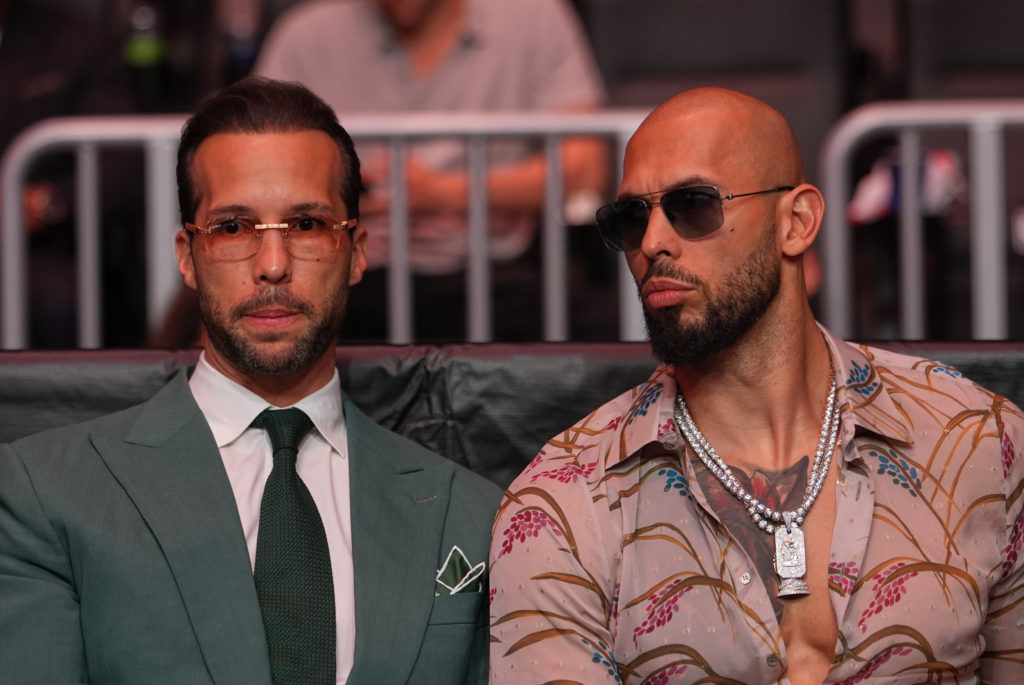
Tate Brothers Fight Extradition in Miami
The Tate brothers extradition case has become more than a courtroom clash. It is now a stress test for how high-profile defendants weaponize attention, jurisdiction, and legal ambiguity in real time. When Andrew and Tristan Tate appeared in Miami and vowed to fight extradition, they turned a routine procedural moment into a transnational spectacle with real consequences. For their supporters, it is a story of defiance. For prosecutors and regulators, it is a reminder that modern legal battles rarely stay neatly inside one country’s borders. The stakes are obvious: freedom of movement, public credibility, and whether reputation can be used as a shield while courts sort out the facts.
- The Tate brothers extradition case is shaping up as a transatlantic legal and media showdown.
- Miami court appearances can signal resistance, but they do not erase international warrants or requests.
- Public pressure and online branding now play a major role in high-profile legal disputes.
- The case highlights how extradition fights can drag on, even when the public expects a fast resolution.
Why the Tate brothers extradition case matters
This is not just another celebrity-adjacent legal headline. The Tate brothers extradition case matters because it sits at the intersection of criminal procedure, digital influence, and geopolitical friction. The brothers are not ordinary defendants, and that changes everything. Their audience is massive, their online rhetoric is provocative, and every court filing becomes content. That creates pressure on institutions that usually prefer silence and patience.
Extradition is slow by design. That frustrates people who expect instant accountability, but it also protects defendants from rushed transfers and governments from sloppy diplomacy. Once a case crosses borders, lawyers can challenge the validity of warrants, the conditions in receiving countries, or whether due process standards were met. That is why a courtroom appearance in Miami can matter far beyond Florida. It can shape how both sides frame the next phase of the fight.
High-profile extradition battles are rarely decided by one hearing. They are won or lost through layers of procedure, timing, and leverage.
What happened in Miami
At the center of the latest development is a simple but loaded moment: the Tate brothers appeared in court in Miami and said they would fight extradition. That statement is legally expected and politically useful. It signals resistance, buys time, and lets their defense team probe every available argument before any transfer can move forward.
For the public, the scene may look like a dramatic stand-off. For attorneys, it is the opening of a much longer process. Extradition cases often begin with detention or appearance hearings, then shift into document reviews, procedural motions, and challenges to the underlying request. The details matter. Were the filings complete? Is the requesting country following the correct treaty process? Are there related cases or prior restrictions that affect travel or custody?
These questions are not glamorous, but they decide outcomes. And in this case, they also decide how much control the brothers can keep over the narrative while the legal machinery moves at its own pace.
How extradition fights actually work
Extradition is one of the most misunderstood parts of international law. People often assume a warrant equals immediate transfer. It does not. In practice, there are several layers of review that can slow or block a move across borders.
Step 1: The request
One country asks another to detain or surrender a person. The request usually has to meet treaty requirements and include supporting documents.
Step 2: Initial court review
A judge checks whether the request appears valid on its face. This is where defense lawyers start looking for defects, missing paperwork, or mismatches between legal definitions.
Step 3: Challenge and appeal
The defense may argue that the offense is not extraditable, that the evidence is weak, or that human rights concerns make transfer inappropriate. Appeals can stretch the process for months or longer.
Step 4: Executive or ministerial approval
In many systems, even a court-approved extradition still needs final government sign-off. That introduces another layer of uncertainty and political calculation.
For a case like this, the legal roadmap is only half the story. The other half is public perception. The more attention the case gets, the more each procedural move becomes a signal to followers, critics, and potential future litigants.
The media strategy behind the courtroom posture
The Tate brothers have long understood the mechanics of attention. That makes every public appearance part legal defense, part brand management. Saying they will fight extradition is not just a legal position. It is a message to supporters that they are resisting pressure rather than conceding to it.
That strategy can be effective in the short term. It creates loyalty, keeps the audience engaged, and reframes the dispute as persecution rather than process. But it can also backfire. Courts generally do not reward theater. The more a defendant tries to perform strength for the camera, the more likely judges and prosecutors are to focus on the underlying facts and formal requirements.
There is a thin line between controlling the narrative and overplaying your hand. In high-profile cases, that line is usually crossed online long before it is crossed in court.
This is where modern legal disputes differ from old-school courtroom drama. A defendant no longer needs to wait for a verdict to influence public opinion. They can shape the discourse instantly through video clips, social posts, and a global fan base. That does not alter the law, but it can alter the temperature around it.
What makes the Tate brothers extradition case unusual
Most extradition cases are invisible to the public. This one is the opposite. The visibility changes the incentives for everyone involved. Prosecutors know they are being watched. Defense lawyers know that every filing may be dissected online. Journalists know that each procedural update can explode into a culture-war proxy battle.
There is also the transnational factor. Cross-border cases are always more complex because they involve different legal standards, different courts, and often different political cultures. If one side sees the defendants as internet provocateurs and the other side sees them as legally entitled to challenge transfer, the gap between the two narratives can become wide enough to stall everything.
That is why the Tate brothers extradition case could become a template for future influencer-era legal battles. As online fame grows more powerful, legal disputes are increasingly fought in parallel: one battle in court, another on social media, and a third in the minds of the public.
Why this matters beyond the headlines
For readers tempted to dismiss the story as celebrity noise, the larger lesson is important. Extradition is one of the few places where law, diplomacy, and media saturation collide so visibly. If a well-known defendant can use global attention to stretch a case, then the system must prove it can still move deliberately without becoming performative.
This matters for three reasons:
- Institutional credibility: Courts need to show that publicity does not override procedure.
- Precedent pressure: Future defendants may copy the same playbook if it appears effective.
- Public literacy: Audiences need a clearer understanding that legal resistance is not the same as legal victory.
There is also a broader social question here. In an era when internet personalities can mobilize loyal communities instantly, the line between legal defense and audience management gets blurry. That can distort how people understand accountability. A loud defense is not proof of innocence. A delayed extradition is not proof of exoneration. Those are separate things, and the distinction matters.
What to watch next in the Tate brothers extradition case
The next phase will likely depend on procedural filings, possible appeals, and how both sides handle the public spotlight. Watch for challenges to the extradition request itself, any questions about jurisdiction, and whether the defense tries to slow the process through technical objections.
Also watch the tone. If the brothers keep framing the fight as a broader battle against injustice, they may succeed in keeping supporters energized. But that does not necessarily help in court. Judges tend to prefer specifics: dates, documents, treaty language, and standards of proof. That is where this case will ultimately be decided.
There is a broader lesson here for anyone following modern legal news. The loudest story is not always the strongest case. In extradition disputes, the paper trail usually wins. The question is how long it takes to get there.
For now, the Tate brothers extradition case remains a high-stakes contest between legal process and public performance. The Miami appearance was just one scene. The real verdict, if it comes, will arrive only after the system has worked through the friction that cases like this are built to create.
The information provided in this article is for general informational purposes only. While we strive for accuracy, we make no guarantees about the completeness or reliability of the content. Always verify important information through official or multiple sources before making decisions.