Trump Approval Plunges Into Crisis
Trump Approval Plunges Into Crisis
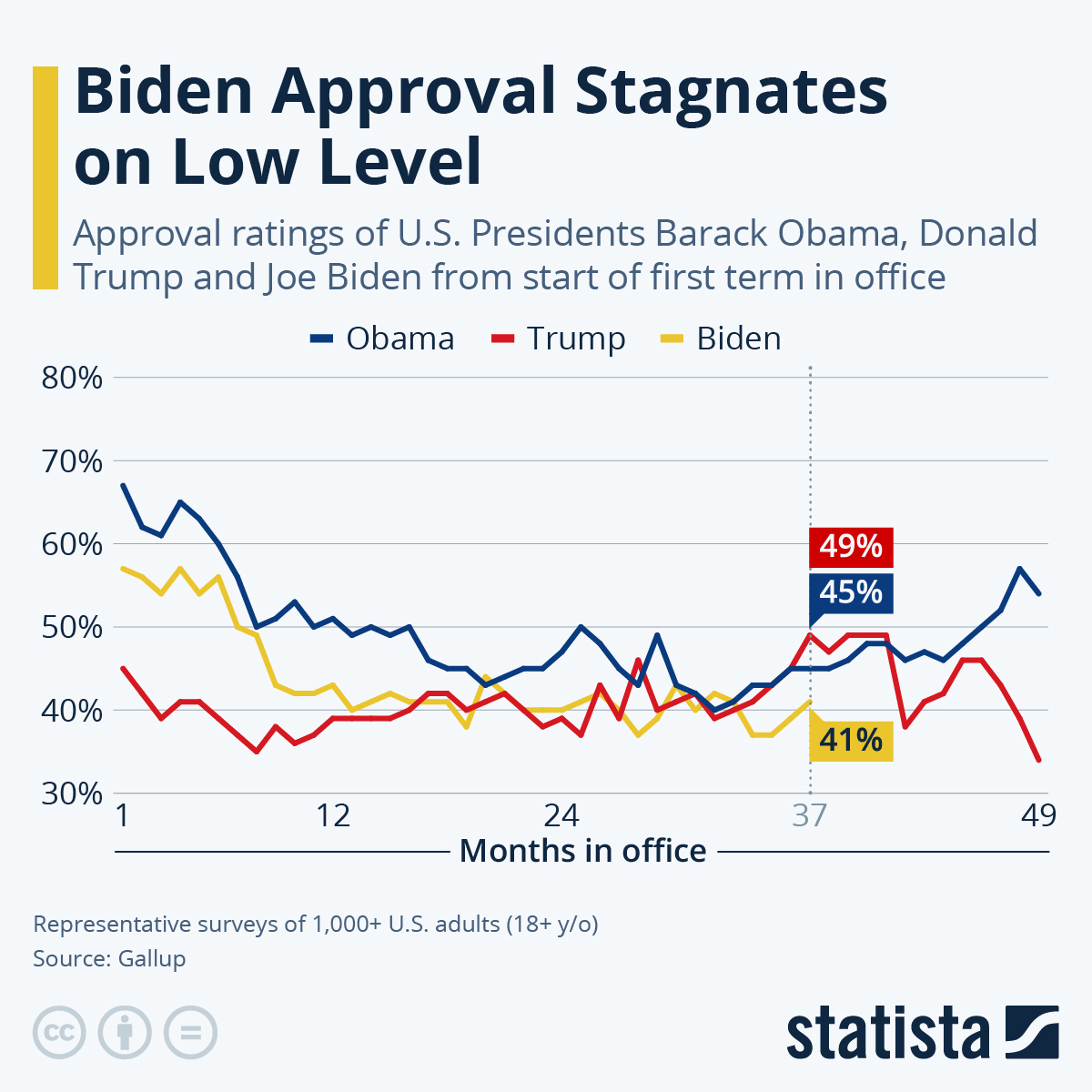
The political danger is no longer theoretical. The Trump approval rating has hit a record low at the exact moment his presidency can least afford it: amid anger over the Iran war, frustration with the economy, and a public mood that has turned sharply unforgiving. For voters, the pain is practical: higher costs, geopolitical anxiety, and a sense that Washington is once again asking ordinary households to absorb the price of elite decision-making. For Republicans, the warning is strategic. A president can survive controversy, but surviving a confidence collapse across both foreign policy and kitchen-table economics is much harder. This is not just another bad polling cycle. It is a legitimacy stress test for a White House trying to project strength while voters increasingly see volatility, cost, and consequence.
- The Trump approval rating has reportedly fallen to a record low as the Iran war and economic fallout dominate public concern.
- Foreign policy backlash is colliding with voter anxiety over prices, jobs, debt, and household security.
- The political damage is especially dangerous because it cuts across national security and economic credibility at once.
- Republicans face growing risk heading into the next electoral cycle if independents and soft supporters keep drifting away.
- The White House now needs more than messaging discipline: it needs visible results voters can feel.
Why the Trump Approval Rating Collapse Matters
Every presidency has bad stretches. What makes this moment different is the compression of crises. A record-low Trump approval rating is not landing in a vacuum. It arrives alongside public exhaustion over military escalation with Iran, doubts about economic stewardship, and an electorate that has grown more skeptical of grand promises from both parties.
Approval ratings matter because they measure more than popularity. They track the public’s willingness to grant a president the benefit of the doubt. When that reservoir drains, even routine decisions become politically expensive. A speech sounds defensive. A policy rollout looks late. A foreign policy move that might once have been framed as resolve begins to look like recklessness.
When voters lose confidence on both war and the economy, a president is no longer fighting one narrative. He is fighting a verdict.
That is the deeper problem for Trump. His political brand has always leaned on dominance: the idea that he can impose order on chaos, pressure adversaries, and bend institutions toward his agenda. But record-low approval suggests many voters now see chaos not as something he is managing, but as something his presidency is producing.
The Iran War Has Become a Political Liability
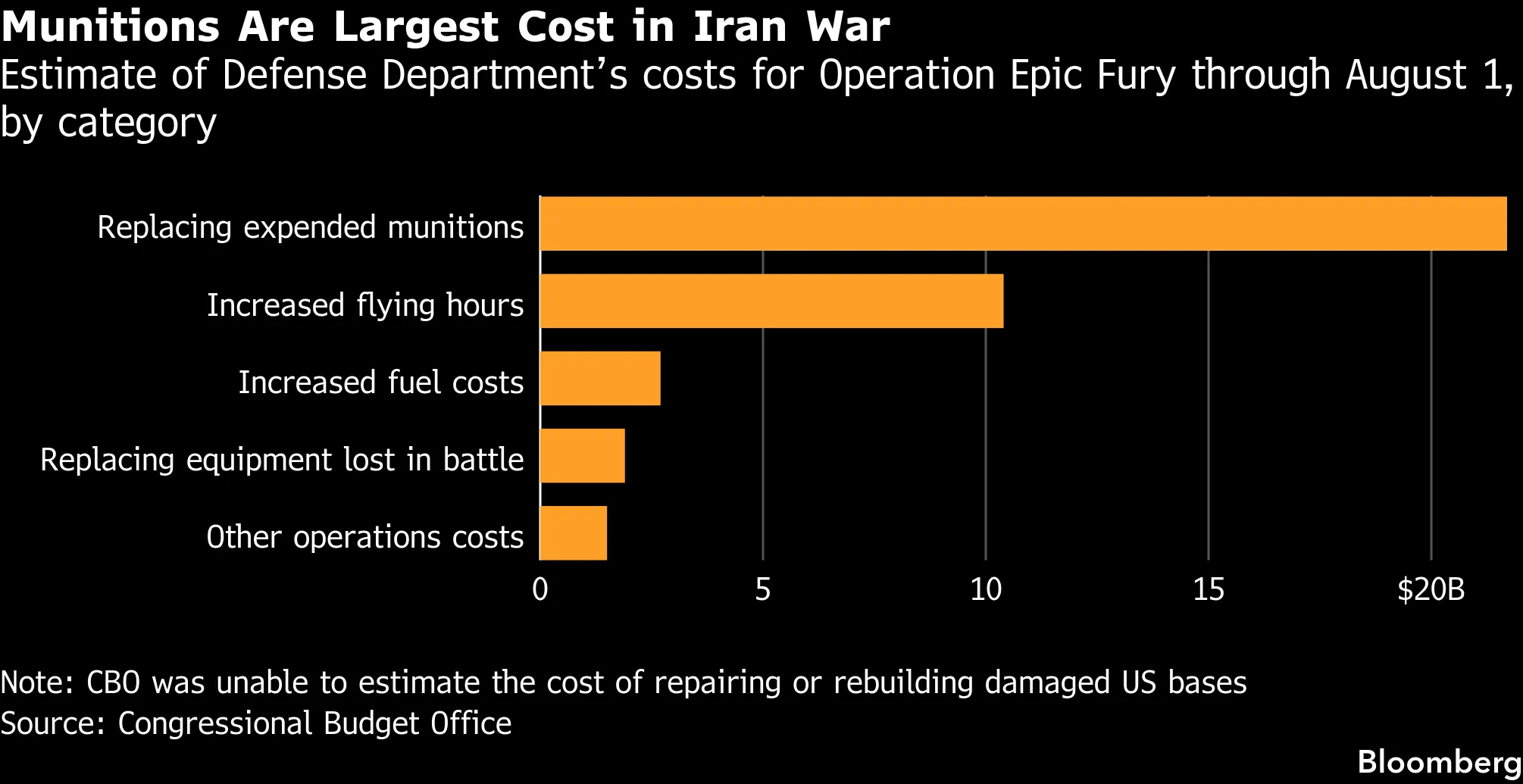
The Iran conflict appears to be functioning as the accelerant. Americans have historically rallied around presidents in the early stages of military confrontation, especially when the White House frames action as defensive or necessary. But that rally effect is fragile. It breaks quickly when voters sense mission creep, unclear objectives, rising costs, or the possibility of a wider regional war.
Trump’s challenge is that the public is no longer operating in a post-9/11 mindset where military action automatically signals strength. Voters have lived through Iraq, Afghanistan, drone wars, sanctions regimes, and repeated promises that escalation will remain limited. They have learned to ask harder questions earlier.
What Voters Want to Know
- What is the strategic end state of the Iran war?
- How long will U.S. forces remain exposed to retaliation?
- What are the economic consequences for energy prices and trade?
- How does the administration prevent a regional conflict from becoming a global shock?
- Who bears the financial and human cost if the war expands?
Those questions matter because Trump campaigned for years on skepticism toward endless wars while also promising overwhelming strength. The Iran war puts those two instincts into direct conflict. If he escalates, he risks alienating voters who believed he would avoid foreign entanglements. If he pulls back, he risks criticism from hawks who see restraint as weakness.
This is the trap of governing by maximalist rhetoric. It leaves very little room for ambiguity, diplomacy, or quiet de-escalation. Every move must look like victory, even when the best outcome may be containment.
The Economy Is Turning Discontent Into Damage
Foreign policy can drive headlines, but the economy drives mood. The approval slump becomes more dangerous because it intersects with daily financial pressure. Voters may debate strategy in the Middle East, but they feel the economy in rent, groceries, insurance, fuel, borrowing costs, and job security.
Economic fallout from geopolitical instability can be immediate. Energy markets react. Shipping and insurance costs rise. Businesses delay investment. Consumers pull back. Even if the administration argues that the broader economy remains resilient, voters judge prosperity through lived experience, not charts.
That gap between macroeconomic messaging and household reality has punished presidents before. A White House can point to growth, employment, or market strength, but if voters feel squeezed, the political benefit is limited. The term consumer confidence becomes more than an economic indicator. It becomes a political alarm bell.
Why Economic Messaging Is Failing
The problem for Trump is not simply that people dislike higher prices. It is that economic frustration tends to attach itself to leadership. When voters already worry about war, they interpret price pressure as part of a broader competence problem.
- Inflation sensitivity: Even modest price increases feel larger after years of elevated costs.
- Debt pressure: Households carrying credit card balances or loans are less patient with political explanations.
- Energy anxiety: Conflict involving Iran can make fuel costs feel unpredictable and politically charged.
- Market volatility: Retirement accounts and small business planning suffer when uncertainty rises.
Pro tip for reading the politics: do not focus only on top-line approval. Watch whether voters separate Trump’s handling of the economy from his handling of foreign policy. If those numbers converge downward, the administration faces a much harder recovery path.
Trump Approval Rating and the Independent Voter Problem
The Trump approval rating is especially important among independents, suburban voters, younger men, working-class swing voters, and disaffected conservatives who may not become Democrats but can still stay home. Political coalitions often crack at the edges before the center recognizes the damage.
Trump’s base has historically been durable. That remains one of the most important facts in American politics. But durability is not the same as expansion. If the president’s core supporters remain loyal while persuadable voters defect, the electoral map can still shift dramatically.
A loyal base can win a primary. It cannot always rescue a presidency from a broad collapse in confidence.
This distinction matters for Republicans down ballot. Congressional candidates, governors, and state-level hopefuls may find themselves forced to answer for the Iran war and the economy even if their own campaigns focus on local issues. A president with low approval can nationalize races in the worst possible way for his party.
The GOP’s Strategic Dilemma
Republican leaders now face a familiar but sharper question: defend Trump fully, create distance, or redirect attention to cultural and local issues. Each option carries risk.
- Full defense keeps the base aligned but ties candidates to unpopular decisions.
- Strategic distance may appeal to swing voters but invites backlash from Trump loyalists.
- Issue pivoting can work only if voters are not overwhelmingly focused on war and prices.
The most dangerous scenario for the GOP is not a single bad poll. It is a sustained perception that the party is trapped defending outcomes voters dislike. Once that frame sets, campaigns become reactive, and reactive campaigns usually spend more money for less persuasion.
The White House Needs Results Not Just Narrative
Presidential teams often respond to approval drops with a communications reset: sharper surrogates, more interviews, cleaner message discipline, and a renewed focus on achievements. That may help at the margins. But this moment demands more than a better media plan.
Voters need to see concrete evidence that the Iran war has limits, that the economy is not spiraling, and that the administration has a credible plan beyond escalation and blame. The White House can argue that critics exaggerate the crisis, but public opinion rarely reverses because officials insist the public is wrong.
What a Recovery Strategy Would Require
- A clear explanation of U.S. objectives in the Iran conflict, including what success looks like.
- Visible diplomatic channels that reduce fears of open-ended war.
- Economic relief that voters can understand without needing a spreadsheet.
- Consistency from senior officials instead of contradictory signals.
- Proof that the administration can focus on domestic priorities while managing global risk.
The hardest part is trust. Once a president’s approval reaches record-low territory, voters do not automatically credit future promises. They demand proof first. That makes timing brutal. The administration needs wins quickly, but the biggest problems: war, prices, confidence, and geopolitical stability, rarely resolve on a campaign calendar.
Why This Matters Beyond Trump
This moment is bigger than one president’s polling. It shows how tightly linked foreign policy and domestic economics have become. A conflict abroad can reshape household expectations at home within days. A market shock can become a political crisis before policymakers finish explaining it. The old separation between national security and kitchen-table economics is collapsing.
That shift will define modern presidential power. Leaders can no longer assume voters will compartmentalize war as a distant event. Supply chains, energy prices, migration patterns, cyber risk, and financial markets make global instability intensely local.
For Democrats, the opportunity is obvious but not automatic. Opposition parties often benefit from presidential weakness, but they still need a credible alternative. If voters see only criticism without a governing plan, frustration can turn into cynicism rather than partisan realignment.
For Republicans, the warning is more immediate. A record-low Trump approval rating could force the party to choose between personal loyalty and political adaptation. That choice has shaped Republican politics for years, but war and economic pain raise the stakes dramatically.
The Bottom Line on Trump’s Record Low
Trump’s record-low approval is not just a number. It is a signal that voters are connecting the dots between the Iran war, economic strain, and presidential judgment. The administration can still recover if events improve, the conflict stabilizes, and households feel relief. But the margin for error has narrowed.
The presidency runs on authority, and authority depends on public confidence. Right now, that confidence is under severe pressure. If Trump cannot convince voters that he has a disciplined strategy abroad and a tangible plan at home, this approval collapse could become the defining political story of 2026.
The central question is no longer whether Trump can dominate the news cycle. It is whether he can restore confidence in the consequences of his own decisions.
The information provided in this article is for general informational purposes only. While we strive for accuracy, we make no guarantees about the completeness or reliability of the content. Always verify important information through official or multiple sources before making decisions.