Trump Iran War Crimes Threat Backfires
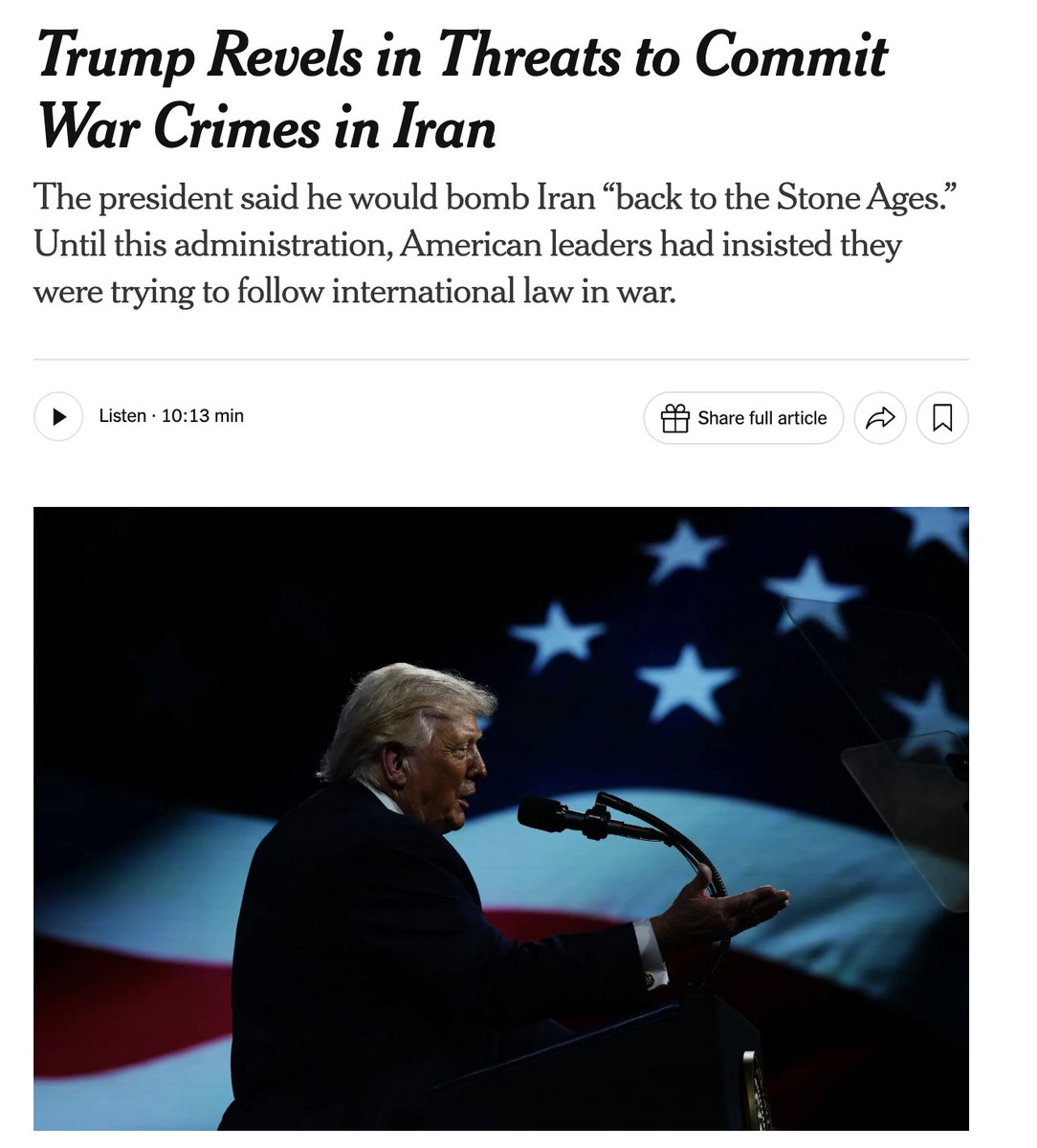
Donald Trump’s latest vow to unleash a Trump Iran war crimes threat if Tehran hits U.S. assets is more than a throwaway soundbite – it is a litmus test for America’s credibility in wartime law, a stress test for Republican unity, and a gut punch to diplomats trying to keep escalation in check. The statement lands as voters already navigate economic strain, Gaza fallout, and a Congress allergic to consensus. The spectacle: Democrats call it reckless, Republicans defend it as deterrence, and the Pentagon quietly braces for the legal quagmire of executing an order that could collide with Article 8 obligations and the War Powers Resolution.
- Trump’s war-crimes rhetoric reframes deterrence as a domestic campaign weapon.
- Democrats see a breach of
Geneva Conventions; GOP hawks argue it reasserts U.S. strength. - The military faces a clash between
lawful commandand political pressure. - Iran gains propaganda fuel while allies question U.S. reliability.
Trump Iran war crimes threat dominates campaign narrative
The former president’s threat was pitched as deterrence, but it has already altered the contours of the 2026 campaign. It tests how far Republicans will go to defend rhetoric that brushes against international humanitarian law. By invoking a willingness to hit civilian targets, Trump folds battlefield ethics into a domestic political message: strength defined by transgression. Democrats respond with talk of subpoenas and hearings, insisting Congress cannot normalize a pledge to violate UCMJ obligations. The clash exposes an electorate forced to parse legal nuance while also choosing an economic path.
Key insight: Deterrence built on illegality is a shaky scaffold – it can fail abroad and corrode legitimacy at home.
GOP calculus around the threat
Republican leaders largely lined up behind Trump, framing his language as a preemptive warning to Iran. The calculus is blunt: their base rewards maximalism. Yet the party’s national security traditionalists – those who grew up on Rules of Engagement briefings – whisper that endorsing potential violations of customary international law could shatter the aura of discipline that kept prior administrations credible. The silence of these voices illustrates a party choosing short-term unity over long-term doctrine.
Democratic framing and legal alarm bells
Democrats wasted no time labeling the pledge as an invitation to commit war crimes, pointing to Geneva Conventions prohibitions. They see investigative openings: if a candidate promises illegal action, should Congress preempt with legislative guardrails or censure? Their messaging frames the threat as an attack on the post-World War II order and a betrayal of troops who rely on clear, lawful directives.
Legal tripwires: where rhetoric meets operational reality
Campaign bluster collides with real constraints the moment an order reaches a commander. Military lawyers would have to assess whether targeting non-combatants violates Department of Defense Law of War Manual guidance. If deemed unlawful, officers are obligated to refuse the order, setting up a constitutional showdown between civilian command and legal compliance. The Pentagon’s institutional memory of the torture memos and My Lai hearings looms large – ignoring legal red lines risks moral injury and international tribunals.
Could Congress intervene?
Congress holds tools from resolutions to funding limits. A bipartisan reaffirmation of the War Powers Resolution could reassert the legislative branch’s stake in hostilities with Iran. Yet gridlock is likely, and the calendar is unforgiving. Hearings could spotlight legal experts who would translate abstract rules into stark scenarios, pressing military leaders to declare whether they would obey or refuse a hypothetical unlawful strike order.
Reality check: Laws do not enforce themselves – they rely on institutions willing to say no when politics say yes.
Geopolitical fallout and Tehran’s leverage
Iran seizes on the threat as proof that Washington is casual about civilian lives. State media is already looping Trump’s quote to harden domestic resolve and to persuade swing states in the region that the U.S. cannot be trusted. For Tehran, propaganda value equals diplomatic leverage: European capitals wary of another Gulf war may hesitate to align fully with U.S. pressure campaigns. Meanwhile, Gulf partners who crave predictability now face a choice between hedging toward China or hoping a future administration recalibrates.
Nuclear file and the ghost of JCPOA
The shelved JCPOA casts a shadow. Threatening civilian infrastructure undercuts any pathway back to inspections or enrichment caps. Iranian negotiators can now argue that Washington is bargaining in bad faith, making verification more complex and sanctions relief less plausible. The nuclear question becomes entangled with credibility: why sign a deal with a country whose leading candidate floats unlawful strikes?
Mainstreaming the extreme: media dynamics
Broadcast outlets split: conservative channels frame the threat as tough love, while centrist and progressive media emphasize legal peril. This asymmetry matters. When extreme rhetoric is normalized through repetition, the Overton window shifts, making future escalations easier to sell. Social platforms amplify the clash with memes and partial clips, stripping context and blurring the line between deterrence and incitement.
Editorial stance: A democracy that shrugs at war-crimes talk risks normalizing impunity as a policy tool.
Platform moderation and political speech
Platforms face the question: does threatening illegal action violate terms of service? Most carve out exceptions for newsworthiness, letting the content stand. That decision grants virality to a message that would be flagged if posted by a non-politician. It is a reminder that tech companies inadvertently arbitrate the visibility of rhetoric with real-world stakes.
Defense community on edge
Within the Pentagon, commanders game out contingency plans for Iran regularly. Yet a directive that sidelines the distinction between combatant and civilian would put officers at odds with their oaths. The shadow of Abu Ghraib and the lessons from Nuremberg principles inform training that urges refusal of unlawful orders. Morale suffers when troops wonder if political leaders will ask them to cross legal lines. Recruiting, already under strain, could further dip if families fear exposure to illegitimate missions.
Veterans and the moral contract
Veterans groups, often cautious about wading into partisan fights, are unusually vocal. They argue that obeying the law of armed conflict is part of the moral contract that shields U.S. forces from reciprocal abuse. Break that contract, they warn, and American POWs or contractors could face harsher treatment, with diminished grounds for protest.
Why this matters for voters now
Voters are juggling inflation, healthcare costs, and climate disasters. Injecting a Trump Iran war crimes threat into that mix forces a recalibration: foreign policy is no longer abstract, it threatens to pierce domestic stability. Insurance premiums spike when geopolitical risk rises; supply chains wobble when Gulf shipping lanes are at risk. The cost of cavalier rhetoric could be felt in grocery aisles and gas stations before a single missile is launched.
Economic ripple effects
Oil markets respond to perceived instability. Analysts warn that even the hint of unlawful strikes could prompt speculative price hikes, feeding inflation. Companies with exposure in the Middle East may pause investment, tightening credit and hiring at home. In an election defined by economic anxiety, the connection between legal norms and household costs is newly visible.
Future scenarios: de-escalation or spiral
Three trajectories loom. First, the threat remains rhetorical, fading as campaigns pivot to domestic priorities. Second, a limited tit-for-tat with Iran invites testing the boundaries of proportional response. Third, miscalculation triggers a wider conflict, forcing the military to publicly navigate legality in real time. The third scenario is where institutions are most at risk: speed eclipses deliberation, and unlawful suggestions could slip into planning.
Policy guardrails to restore credibility
Practical steps exist. Congress can reaffirm commitments to the Geneva Conventions and codify penalties for issuing illegal commands. The Pentagon can pre-announce adherence to Law of Armed Conflict principles to allies, providing reassurance. Candidates could sign a voluntary pledge to respect international humanitarian law, creating a political cost for future violations. Each measure signals that the U.S. views legality as a strength, not a constraint.
Pro Tip: Deterrence built on clarity works better than deterrence built on shock value. Declare what is off-limits before crises erupt.
Bottom line
Trump’s threat has already altered the debate more than any policy paper could. It spotlights a fault line between those who see law as a tactical disadvantage and those who see it as the backbone of U.S. power. The coming months will reveal whether institutions can translate outrage into safeguards, or whether the normalization of war-crimes talk becomes another unsettling milestone on the road to November.
The information provided in this article is for general informational purposes only. While we strive for accuracy, we make no guarantees about the completeness or reliability of the content. Always verify important information through official or multiple sources before making decisions.