Trump Pushes Iran Ceasefire Deal
Trump Pushes Iran Ceasefire Deal
Washington is once again staring at a familiar and dangerous question: can a high-pressure diplomatic blitz stop a wider war before it spills into global markets and military flashpoints? The latest Iran ceasefire push has put the Strait of Hormuz back at the center of U.S. strategy, where every statement from Trump, Vance, and allied officials carries outsized weight. That matters because this is not just a regional standoff. It is a test of whether the U.S. can shape events fast enough to keep shipping lanes open, energy prices stable, and escalation from becoming the default outcome. The stakes are immediate, and the margin for error is thin. For businesses, policymakers, and consumers, the next move in this Iran ceasefire push could ripple far beyond the Middle East.
- The Iran ceasefire push is as much about deterrence as diplomacy.
- The Strait of Hormuz remains the most sensitive pressure point in the conflict.
- Any deal talk will be judged by whether it reduces risk, not by headlines alone.
- Energy markets and global shipping are already reading this as a real-time stress test.
- U.S. leaders are balancing short-term de-escalation against long-term credibility.
Why the Iran ceasefire push matters now
The current Iran ceasefire push reflects a classic crisis-management dilemma: the United States wants to prevent a broader conflict without signaling weakness. That is easier said than done. If Tehran believes Washington is eager for calm at any cost, it gains leverage. If Washington pushes too hard, it risks validating the very escalation it is trying to prevent. The result is a tense diplomatic dance with military implications attached to every step.
The timing also matters. Markets hate uncertainty, and the Strait of Hormuz is one of the most economically sensitive waterways on the planet. Roughly a fifth of global oil flows through this corridor, which means even the hint of disruption can move prices, insurance costs, and shipping routes. That is why ceasefire language is never just rhetoric here. It is a signal to traders, allies, and adversaries alike.
The real story is not whether a ceasefire is announced. It is whether the agreement changes behavior on the ground and at sea.
The Strait of Hormuz is the pressure valve
Whenever tensions with Iran intensify, the Strait of Hormuz becomes the headline risk that everyone understands. It is narrow, strategically vital, and impossible to ignore. If the strait becomes unsafe, even temporarily, the consequences spread instantly: tankers slow down, insurers raise premiums, and governments start drafting contingency plans.
That is why any Iran ceasefire push is inseparable from maritime security. The U.S. and its partners do not simply want silence from armed actors. They want predictable transit, visible restraint, and a path that keeps the passage open. In practical terms, that means diplomatic success is measured in shipping continuity as much as in political language.
What makes the strait so sensitive
There are three reasons the Strait of Hormuz commands so much attention:
- Concentration of traffic: A huge share of global energy shipments passes through a very small corridor.
- Low margin for error: Naval encounters, missile threats, or miscalculations can escalate quickly.
- Global spillover: The effects are felt first in oil and freight markets, then in inflation and consumer prices.
This is why the phrase ceasefire often lands differently in the Gulf than it does in Washington. To regional actors, it is about deterrence, prestige, and survival. To everyone else, it is about whether fuel costs spike next week.
Trump, Vance, and the politics of pressure
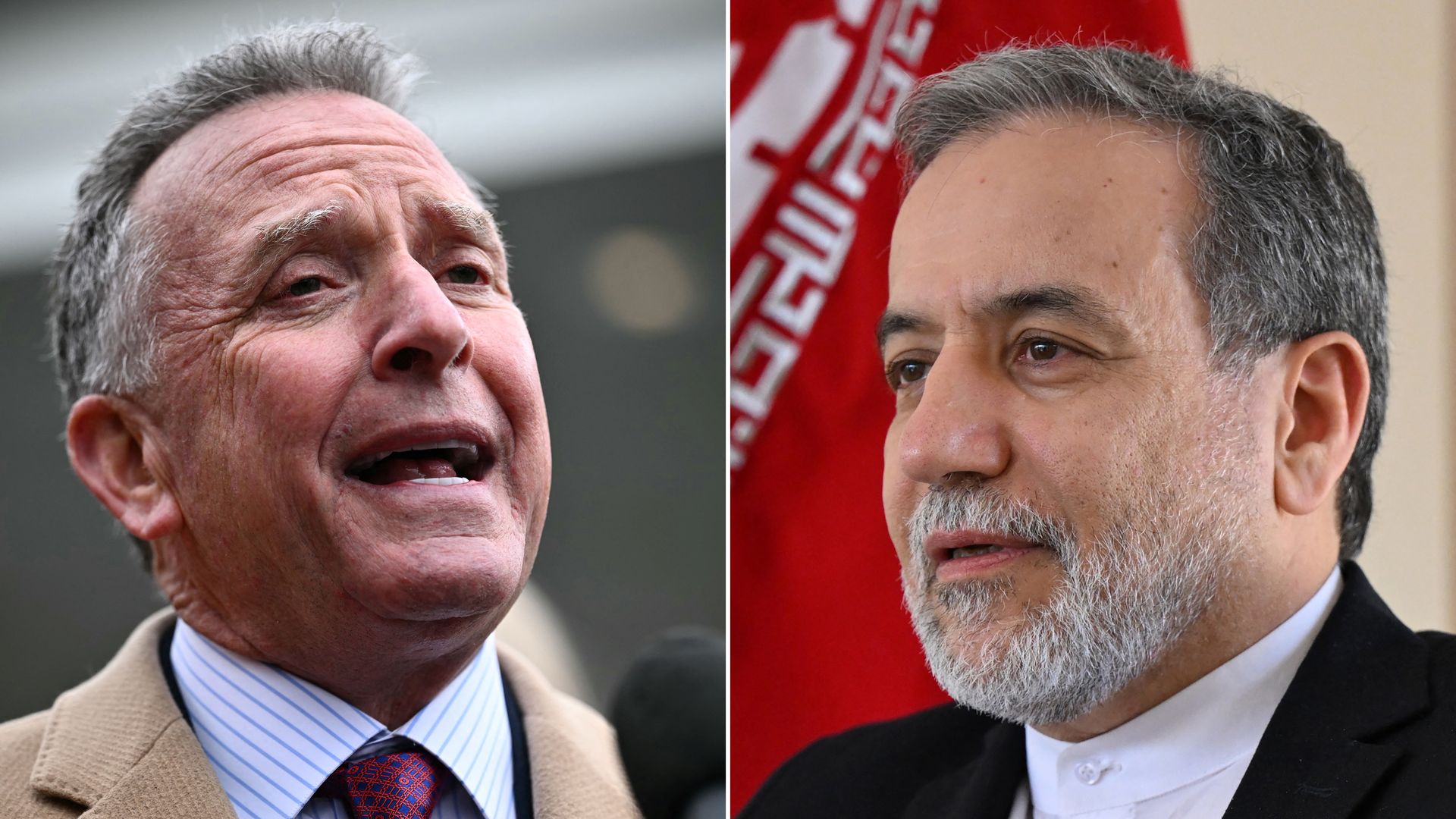
Donald Trump’s posture on Iran has always been part diplomacy, part coercion, and part branding. He likes deals, but only the kind that look decisive. That creates a specific kind of pressure campaign: talk tough, leave room for negotiation, and claim credit if the other side blinks. The latest Iran ceasefire push fits that pattern neatly.
J.D. Vance’s role in the conversation matters too. Even when the vice president is not the headline act, his voice helps frame the administration’s internal logic. Is the goal a temporary pause, a verified restraint framework, or a larger strategic reset? Those distinctions matter, because each one implies a different level of U.S. commitment and a different tolerance for risk.
Deals that sound good in a live update can still fail in implementation. In crises like this, execution is the product.
That is the central editorial question here: is this a real diplomatic opening or a tactical pause designed to buy time? The answer will depend on whether the parties can define enforcement, sequencing, and red lines without collapsing back into threats.
What a workable Iran ceasefire push would need
A credible Iran ceasefire push cannot rely on vague promises. It needs concrete steps, clear verification, and a mechanism to stop violations from becoming automatic escalation. That is a tall order, especially when trust is already shredded. Still, the mechanics are not mysterious.
- Defined scope: What exactly is being paused, and for how long?
- Verification: Who confirms compliance, and with what authority?
- Communication channels: How do commanders, diplomats, and intermediaries avoid misunderstandings?
- Response rules: What happens if one side claims the other violated the deal?
- Maritime protection: How is shipping in the Strait of Hormuz insulated from retaliation?
Without those pieces, a ceasefire becomes a press release with a short shelf life. With them, it can become a bridge to something more durable, even if only temporarily.
Pro tip for reading diplomatic headlines
When officials say a deal is “close,” watch for the operational details, not the tone. Ask whether the statement includes timelines, verification, or enforcement. If it does not, the news may be about leverage rather than resolution.
Why this matters beyond the Middle East
This is where the Iran ceasefire push stops being a regional story and starts becoming a global one. Energy prices remain one of the quickest ways geopolitical risk reaches ordinary households. A disruption in the Strait of Hormuz can feed into gasoline costs, shipping rates, airline expenses, and inflation expectations within days. That makes this a story for economists as much as diplomats.
Businesses should be watching especially closely. Companies with supply chains tied to Gulf transit routes may need to reassess routing, inventory buffers, and exposure to commodity spikes. Even firms with no direct regional footprint can feel the impact through freight contracts and input costs. The current tension is a reminder that geopolitics is not abstract. It is operational.
There is also a broader strategic implication: if Washington can prevent escalation here, it strengthens the case that U.S. crisis diplomacy still works. If it cannot, allies may begin hedging faster, and adversaries may test American resolve more aggressively elsewhere. That is why this moment is bigger than the immediate headlines.
The likely scenarios from here
There are a few plausible paths forward, and none of them are clean.
Scenario 1: A narrow ceasefire holds
This is the best-case outcome, at least in the short term. Hostilities ease, maritime traffic stabilizes, and negotiators gain a breathing window. It does not solve the underlying conflict, but it lowers the risk of accidental escalation.
Scenario 2: A fragile pause breaks quickly
This is the most common outcome in modern crises. Both sides claim restraint, then accuse the other of violating the spirit of the agreement. Markets briefly relax, then snap back into risk mode. The headlines improve before the fundamentals do.
Scenario 3: Talks fail and pressure returns
If the Iran ceasefire push stalls, expect the rhetoric to harden. That could mean stronger sanctions language, greater naval alerts, or renewed threats around the Strait of Hormuz. In that case, the diplomatic effort becomes a marker of how far leaders were willing to go before confrontation resumed.
The editorial bottom line
The smartest way to read this moment is with skepticism and urgency. Skepticism, because ceasefire talk in a high-stakes crisis is often overpromised and underbuilt. Urgency, because the combination of Iran, the U.S., and the Strait of Hormuz creates a risk profile that markets and governments cannot afford to ignore. If the deal talk is real, it needs structure. If it is not, everyone involved will soon learn how quickly a live crisis can outrun a headline.
For now, the Iran ceasefire push is less a conclusion than a stress test. It will tell us whether Washington can still manage escalation in real time, whether Tehran sees restraint as strategic, and whether the global economy can avoid another shock from one of the most dangerous waterways on Earth.
The information provided in this article is for general informational purposes only. While we strive for accuracy, we make no guarantees about the completeness or reliability of the content. Always verify important information through official or multiple sources before making decisions.