Trump Rattles Strait of Hormuz With Easter Threat
Trump Rattles Strait of Hormuz With Easter Threat
The Trump Iran Strait of Hormuz threat landed on Easter weekend like a depth charge: a former president signaling he would order US forces to choke off one of the world’s most critical oil chokepoints if Iran escalates in the Gulf. It is a daring flex that rewrites the 2026 campaign script, tests global energy nerves, and spotlights how fast rhetoric can collide with shipping realities. Energy traders, insurers, and defense planners now have to game out what a commander-in-chief on the trail might do to a corridor that moves roughly a fifth of globally traded crude. The stakes are enormous: a misread signal could spike prices, rattle alliances, and redraw red lines in a region already running hot.
- Trump frames the
Strait of Hormuzas leverage, promising rapid naval pressure if Iran provokes. - Energy markets are exposed: any disruption at the chokepoint can jolt prices and insurance costs within hours.
- Allies face a loyalty test between de-escalation and backing US hardlines during a campaign cycle.
- Iran gains propaganda fuel yet risks inviting multinational patrols and tighter sanctions.
- Investors must price in headline risk that turns into shipping premiums overnight.
How the Easter Flashpoint Formed
Campaign Megaphone Meets Maritime Chessboard
Trump’s message fused domestic politics with maritime brinkmanship: pledge strength, warn Tehran, and remind US voters of his commander-in-chief brand. By threatening to constrain traffic in the Strait of Hormuz if Iran harasses tankers or US assets, he reframed a local standoff into a campaign narrative about deterrence. The timing during a holiday weekend amplified coverage, turning cable chatter into market-moving signal.
The Triggering Signals
According to aides, the comments answered reports of Iranian Revolutionary Guard patrols shadowing commercial vessels and floating speculation about missile transfers to regional proxies. The posture mirrors the 2019 tanker incidents, yet Trump now speaks without the levers of office – making his vow both less actionable and potentially more unpredictable because it pressures current officials to respond.
Immediate Pentagon and Market Reaction
Defense planners quickly reiterated existing Rules of Engagement while avoiding endorsement of campaign threats. Naval assets in the Fifth Fleet theater continue routine escorts and surveillance. Meanwhile, futures markets edged higher on the possibility that rhetoric could spiral into insurance hikes or temporary reroutes around the Gulf. Traders watched for any spike in Brent spreads and shipping companies quietly pinged brokers about contingency premiums.
Why the Trump Iran Strait of Hormuz Threat Hits Global Nerves
A Chokepoint With outsized Leverage
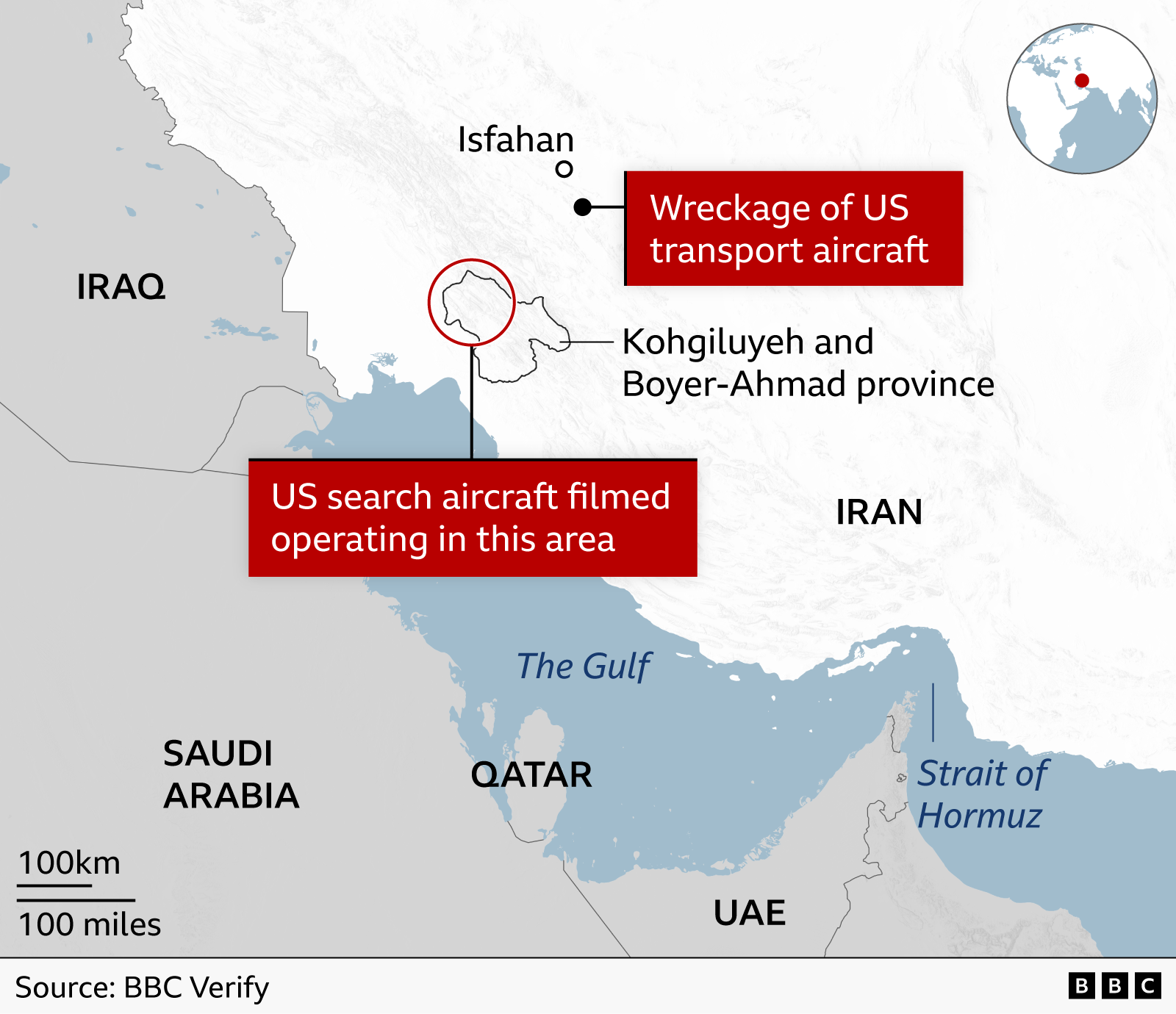
Roughly 17 million barrels per day pass through the narrow waterway flanked by Iran and Oman. Any hint of disruption raises the specter of longer transit routes around the Cape of Good Hope, adding weeks to deliveries and billions in cumulative costs. Tanker owners already calculate a war-risk premium for Gulf calls; a fresh volley of threats widens that spread and squeezes refiners in Asia and Europe.
Energy Inflation at the Ready
Even without physical obstruction, signaling alone can ripple through supply chains. If insurers raise rates or ports restrict transits, refiners must tap inventories and bid up replacement barrels. In an election year, that means the threat ricochets back home through pump prices, heating voters’ perceptions of economic stability.
Allied Coordination Challenges
European and Asian partners prefer calibrated deterrence over headline spikes. The Easter statement forces allies to decide whether to echo Washington’s line or publicly urge restraint. Either path carries risk: silence may embolden Iran; endorsement could tie them to a blockade they do not control.
Key Insight: Deterrence rhetoric works only if allies, insurers, and shippers believe the costs of testing it outweigh the gains. Mixed signals fracture that calculus.
Strategic Calculus Behind the Tough Talk
Domestic Messaging
Trump’s brand leans on projecting strength. By invoking the Strait of Hormuz, he taps into a familiar playbook: high-stakes leverage that frames him as the only candidate willing to force adversaries to blink. The Easter backdrop also commandeers a news cycle typically focused on family gatherings, ensuring maximum airtime.
Iran’s Counter-Read
Tehran likely views the threat as campaign theatre but remains wary of miscalculation. The Revolutionary Guard could test the resolve with low-level harassment, betting that the current administration, not the candidate, will be blamed for any response. Yet overt provocation risks unified Western patrols and harsher sanctions.
Military Realities
Executing a blockade would require sustained carrier presence, broad legal justification, and coordination with partners who control adjacent waters. The US Navy can interdict or escort, but a full choke on traffic invites swift diplomatic blowback. Pro Tip: watch for deployments of additional Arleigh Burke-class destroyers or P-8A Poseidon patrols – early tells of escalatory posture.
Potential Escalation Paths and Off-Ramps
Harassment vs. Closure
The likeliest risk is not a full closure but a series of targeted boardings, drone flyovers, or GPS spoofing that spooks insurers. Such gray-zone tactics give Iran deniability while forcing shippers to pay more. A true blockade by the US would need allied blessing and would likely trigger Iranian missile and drone responses against Gulf infrastructure.
Cyber and Energy Infrastructure
Both sides could reach for cyber tools. Disruptions to port logistics systems or tanker navigation could delay cargoes without firing a shot. Energy producers in the region harden SCADA networks and conduct red-team drills whenever rhetoric spikes.
Diplomatic Lanes
Back-channel talks via Oman or Qatar offer off-ramps. Confidence-building measures – like joint deconfliction hotlines or synchronized naval exercises – can lower misread risks. However, campaign heat makes compromise politically costly, so watch whether candidates soften language once markets wobble.
Economic Ripples Beyond Oil
Shipping and Insurance
Even container lines that do not carry crude feel the ripple when the Gulf heats up. Higher marine war-risk premiums and re-routing add to global freight costs already pressured by Red Sea disruptions. Freight brokers noted that after previous scares, premiums climbed within 24 hours.
Currency and Equities
Regional currencies often slide on escalation fears, while defense stocks and US shale producers can get a lift. Airline equities, tied to jet fuel costs, typically dip. The Easter threat fits that playbook, though magnitude hinges on whether navies report concrete incidents.
Consumer Sentiment
US voters are acutely sensitive to gasoline prices. A rally in crude, even short-lived, can sour sentiment indices. That feedback loop makes energy stability a political weapon – and a political liability if rhetoric turns into higher prices at the pump.
Why This Matters for 2026 Geopolitics
Allies Recalibrate Trust
Partners weigh whether US commitments are stable across administrations. If campaign statements diverge sharply from sitting policy, allied defense planners may hedge with regional agreements or diversify energy sourcing. That fragmentation could weaken collective deterrence.
Great Power Watching
China and Russia monitor every Gulf flare-up for opportunities. A distracted US Navy policing the Strait of Hormuz leaves fewer assets for the South China Sea or Baltic. Conversely, a firm but measured response could reinforce US credibility.
Energy Transition Narrative
Episodes like this underscore why diversification away from single chokepoints matters. It accelerates investment in alternative routes, strategic reserves, and renewables, reframing the energy transition as a security imperative as much as a climate one.
How to Read the Next Moves
Indicators to Watch
Track Automatic Identification System (AIS) data for unusual tanker slowdowns, monitor Lloyd’s List for premium shifts, and note any NOTAM updates that hint at expanded military drills. White House or Pentagon briefings that reframe or soften the campaign threat will signal whether policy is aligning or distancing.
Investor and Operator Playbook
Operators should validate crisis communication trees and confirm charter party clauses cover war risks. Investors can stress-test portfolios for energy-price shocks and look at hedge ratios. Pro Tip: scenario-test a 5-10% Brent spike tied to a shipping incident and assess downstream consumer exposure.
Bottom Line
The Trump Iran Strait of Hormuz threat fuses campaign theater with real maritime risk. The strait remains the world’s Achilles’ heel for crude flow, and every syllable from a would-be commander-in-chief can move markets and military posture. Whether this was bluff, blueprint, or both, stakeholders from tanker captains to central bankers must treat it as a live variable. The next headline out of the Gulf could be an escort gone wrong or a quiet de-escalation – but either way, the weekend warning has reset the stakes for 2026.
The information provided in this article is for general informational purposes only. While we strive for accuracy, we make no guarantees about the completeness or reliability of the content. Always verify important information through official or multiple sources before making decisions.