Trump Revives the Endless Wars Playbook
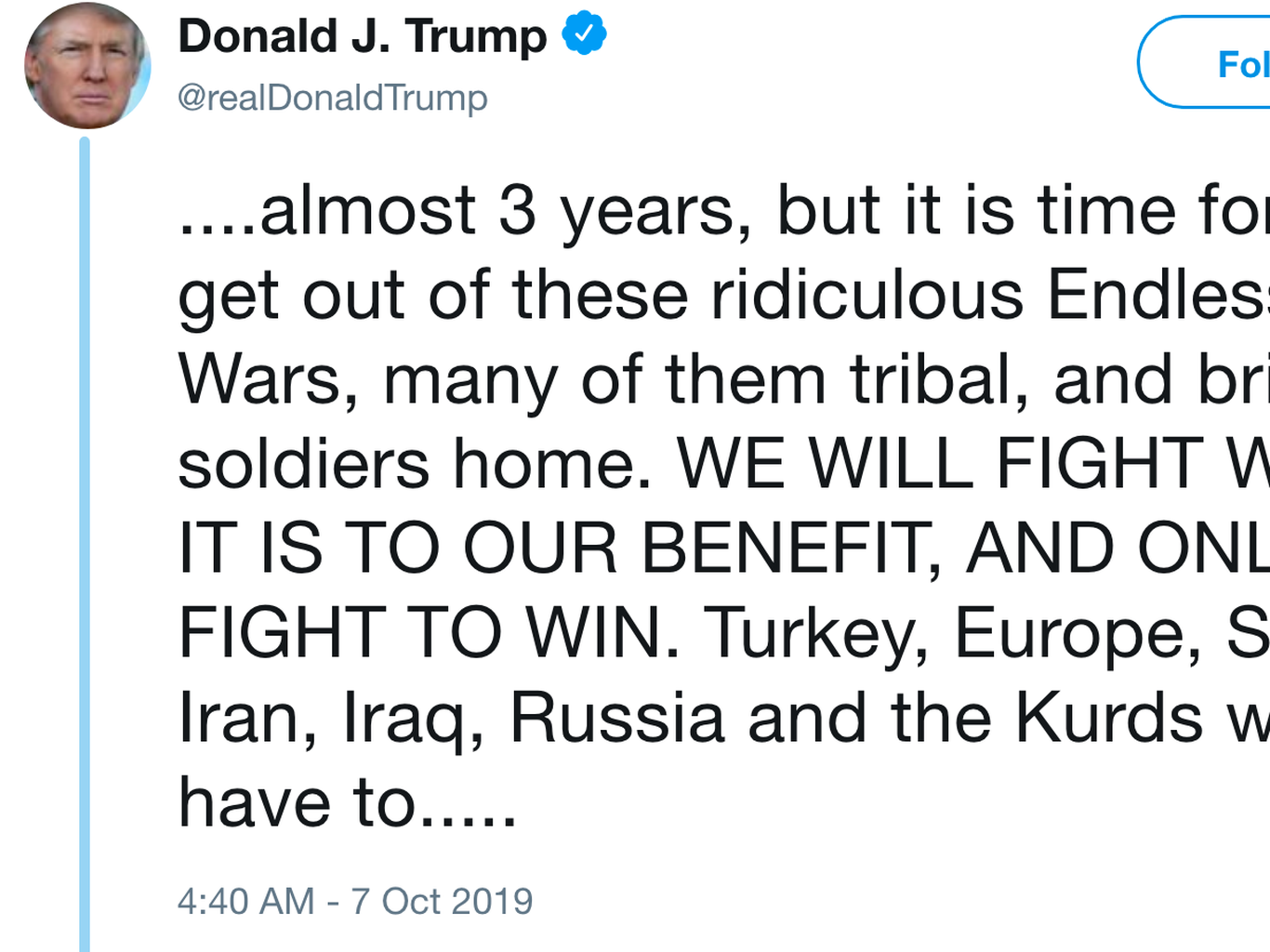
The return of a White House steeped in the Trump endless wars doctrine has Washington scrambling to relearn every lesson it thought it retired. Voters are exhausted by forever conflicts, allies are bracing for policy whiplash, and defense planners are gaming out what happens if campaign trail rhetoric hardens into orders. The stakes stretch from troop deployments to the credibility of American deterrence, and the clock is ticking toward another election that could lock in a new era of intervention or isolation. This isn’t nostalgia; it’s a live test of how quickly the United States can pivot between restraint and projection while the world watches for hesitation.
- Trump’s revived messaging on “ending endless wars” masks a more aggressive forward posture.
- Allies worry about unpredictable deployments and transactional security guarantees.
- Defense budgets are set to surge even as the public appetite for conflict shrinks.
- Geopolitical rivals may test U.S. resolve during the policy transition window.
Trump endless wars doctrine returns
Campaign stops are once again leaning on the language of “no more forever wars,” but the policy memos circulating in Washington read differently. They nod to troop drawdowns while quietly funding rapid-deployment capabilities, advanced logistics nodes, and pre-positioned equipment. The message: fewer footprints on paper, faster punches in practice. That duality keeps the political promise alive while retaining the machinery for power projection.
“Ending a war isn’t the same as ending the ability to wage one,” notes a senior defense strategist who has survived multiple administrations.
What changes is optics, not intent. The Trump endless wars narrative sells restraint to voters weary of casualties and spiraling costs. Yet defense planners keep building out distributed lethality concepts, resilient satcom layers, and automated targeting pipelines designed for fast, long-range engagements. The result is a leaner, more surgical force that can be activated without the political drag of long-term occupations.
How the playbook shifts deployments
Expect rotational forces to replace permanent bases. Instead of large forward garrisons, units will cycle through lily pad airstrips and allied ports, complicating adversary targeting while stressing families and readiness. The trade-off: strategic ambiguity. Rivals find it harder to track U.S. posture, but partners fear that ambiguity becomes absence when crises flare.
Allies under transactional pressure
European and Indo-Pacific allies are already fielding blunt reminders that security guarantees hinge on higher local spending and market access. The transactional tone could unlock new burden sharing, but it also injects volatility into alliances built on predictability. A Baltic state or an island nation facing gray-zone pressure needs assurances, not invoice negotiations. If partners doubt U.S. follow-through, they hedge with regional deals, diluting Washington’s influence.
Troop morale and retention
Rotational tempos drive retention risk. Shorter, more frequent deployments strain families while offering less clarity on mission end states. Recruiting pitches that promise “no more endless wars” may fall flat if service members see operational churn without political ownership. Expect talent to drift toward cyber, space, and autonomous systems roles that offer impact with fewer rotations.
Budget signals behind the rhetoric
Follow the money to see the true policy arc. Supplemental requests are stacking up for munitions stockpiles, hypersonic interceptors, and AI-enabled ISR. These aren’t defensive luxuries; they are offensive enablers for rapid power projection. Even as leaders declare an end to open-ended occupations, procurement lines hint at sustained, tech-heavy engagement models.
Industrial base stress
The industrial base already runs hot from recent conflicts and emergency resupplies to partners. Adding surge demand without long-term contracts risks bottlenecks in solid rocket motors, semiconductor supply, and propellant chemicals. A policy of fast strikes with minimal boots only works if the arsenal can be replenished at speed. Otherwise, deterrence erodes on the factory floor.
Fiscal politics
Congress will test the sincerity of “ending endless wars” against rising toplines. Hawks frame the budget as overdue modernization; skeptics ask why a restraint doctrine needs record spending. The resulting compromises may backload funding into classified programs, obscuring true costs while making oversight harder. Transparency becomes collateral damage in the push to reconcile rhetoric with readiness.
Strategic ripple effects
Great-power rivals will probe the seams of a posture caught between disengagement messaging and rapid-response capability. In Eastern Europe, that could mean escalated hybrid attacks to test NATO unity. In the Indo-Pacific, more aggressive gray-zone maritime ops might gauge whether rotational U.S. presence can deter incremental moves. Each probe is a referendum on credibility.
Deterrence versus unpredictability
Unpredictability is a feature, not a bug, of the revived playbook. But unpredictability cuts both ways: it can deter adversaries or spook allies. When partners cannot read the threshold for U.S. action, they either overcompensate or hold back. Both extremes distort coalition strategy.
“If every crisis becomes a negotiation, deterrence becomes a market, not a doctrine,” warns a former NATO planner.
This transactional deterrence risks reducing commitments to ad-hoc deals. Short-term leverage may cost long-term cohesion, especially in multilateral frameworks that prize consistency over surprise.
Domestic politics and voter calculus
The slogan “bring the troops home” remains potent, but the electorate now tracks outcomes more than promises. Drone footage, not parade marches, shapes public perception. A sudden strike that avoids casualties can reinforce the idea that force is clean and quick – until blowback arrives. Civilians hurt by miscalculation, economic shocks from disrupted shipping, and retaliatory cyberattacks all boomerang into domestic news cycles.
Media narratives and attention spans
Without long occupations to cover, media cycles compress around short, kinetic events. That favors the executive: swift operations conclude before opposition narratives crystallize. Yet compressed coverage also means missteps become viral faster. A single errant strike can eclipse months of careful positioning.
Veterans and public trust
Veterans who served in prior “endless wars” remain skeptical. Promises of restraint ring hollow when budgets grow and deployments spin. Trust hinges on transparent mission scope and measurable endpoints. Absent that, the gap between political branding and troop experience widens, fueling skepticism that could influence swing-state votes.
Technology as force multiplier
Autonomy and AI are the connective tissue of the new posture. The ability to launch attritable drones, coordinate multi-domain kill chains, and fuse sensor-to-shooter data at speed allows for smaller human footprints. The ethical and strategic risk: lower political friction to employ force. When action feels cheap, the threshold to act can drop.
Cyber and information fronts
Expect expanded use of offensive cyber as a prelude or alternative to kinetic action. It fits the promise of fewer troops while projecting power. But cyber operations blur lines of escalation and invite retaliation against civilian infrastructure. The home front becomes a battlefield for ransomware, disinformation, and supply chain sabotage.
Logistics and resilience
Distributed operations require hardened edge computing, resilient satellite comms, and redundant fuel logistics. Any vulnerability in these nodes undermines the rapid-strike premise. Investments in resilience signal intent to sustain operations even as political messaging emphasizes brevity.
Why this matters now
The strategic moment is compressed: global crises are overlapping, industrial capacity is strained, and alliance politics are brittle. A revived Trump endless wars playbook will be tested immediately by adversaries seeking clarity on U.S. thresholds. The choices made in the next budget cycle and the next deployment order will define whether “ending endless wars” becomes a genuine pivot or a rebranded cycle of fast, recurring interventions.
“Voters asked for closure; they may get tempo instead,” says a longtime Capitol Hill security aide.
The public must parse the difference between fewer boots on the ground and fewer wars in practice. Allies must decide whether transactional guarantees are enough to anchor their security. Industry must reconcile surge demand with fragile supply lines. And adversaries will measure every hesitation. The era of open-ended occupations may be fading, but the question remains: is the United States stepping back, or simply stepping faster?
The information provided in this article is for general informational purposes only. While we strive for accuracy, we make no guarantees about the completeness or reliability of the content. Always verify important information through official or multiple sources before making decisions.