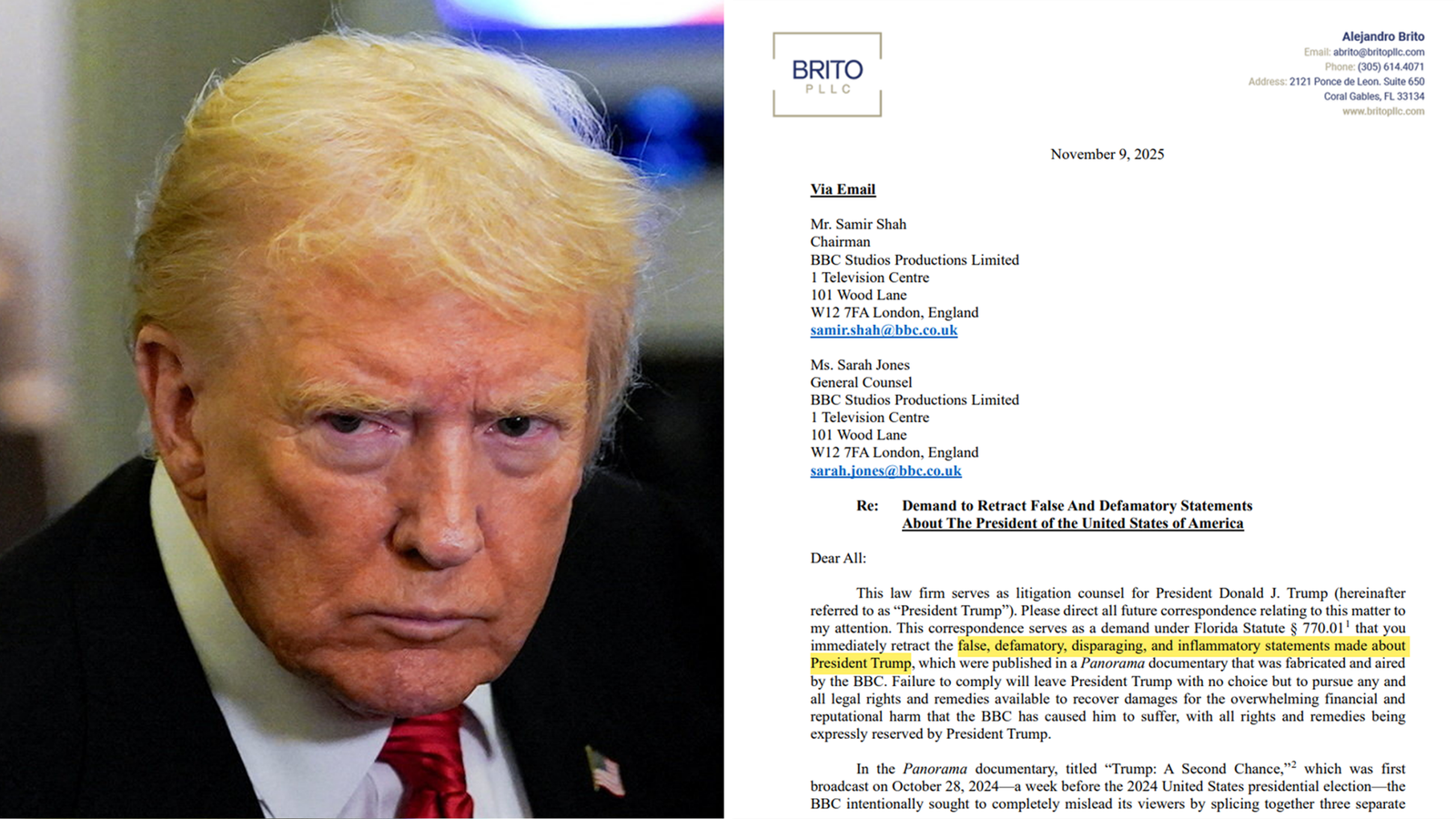
Trump vows rapid US exit from Iran and the risks are mounting
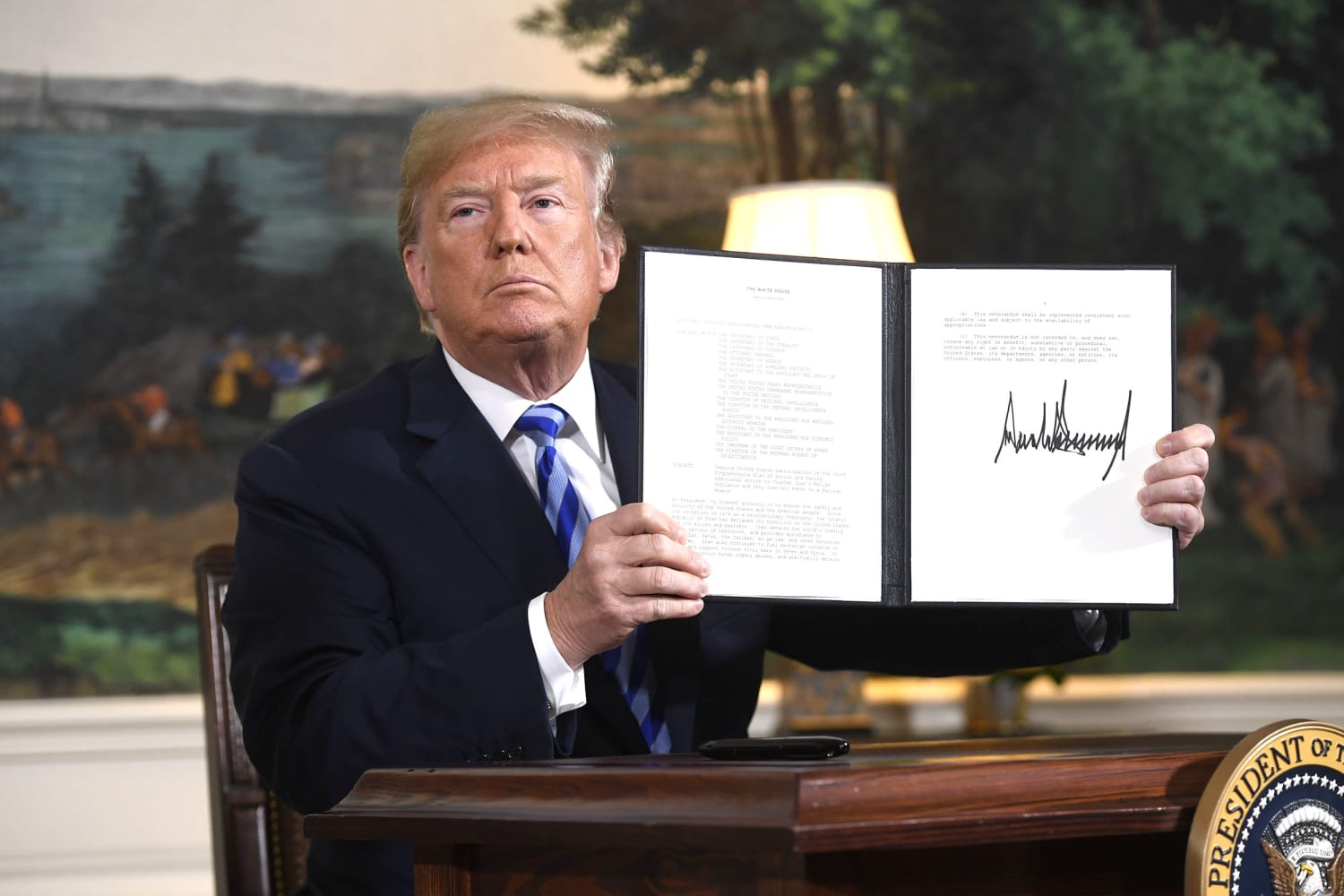
The headline promise of a speedy US withdrawal from Iran lands like a thunderclap for allies, rivals, and anyone who has watched the region absorb two decades of whiplash policy swings. A two-to-three-week timeline sounds decisive, but it also feels like a sprint through a minefield: force protection, diplomatic cover, and regional security guarantees rarely move on cable-news deadlines. The statement tees up a volatile countdown where every actor – from Gulf capitals to European diplomats to Iran’s power brokers – recalibrates overnight. The clock is ticking, the stakes are vast, and the world is yet again asked to trust that improvisation can substitute for strategy.
- White House promises a rapid
US withdrawal from Iranwithout clear logistics or allies aligned. - Regional power balance could tilt fast, empowering hard-liners and proxy networks.
- Markets, energy routes, and security corridors face immediate uncertainty.
- Military and diplomatic communities warn timelines clash with operational reality.
What a two-week exit really means
Compressed timelines sound bold on television, but an exit in 14 to 21 days collides with the slow grind of military logistics. Drawdowns require staged movements, secure corridors, and layered intelligence to prevent ambushes. Diplomatic staff typically follows a separate cadence, coordinated through State Department and allied missions. Condensing all of that into a calendar month risks leaving matériel exposed or forcing hasty destruction of assets. The promise of speed also strips leverage: Iran and its regional partners can simply wait out the clock, betting that Washington will leave before extracting any concessions.
“Deadlines win headlines. They rarely win stability.”
There is also the signaling problem. By announcing a near-term exit, Washington tells allies to fend for themselves and tells adversaries that deterrence has an expiration date. That erodes confidence in future US commitments, a theme European officials have warned about since previous abrupt withdrawals elsewhere.
How allies react when timelines shrink
Every US partner in the region has built contingency plans on the assumption of a predictable American footprint. Compressing that footprint in weeks forces a cascade of recalculations: Gulf states may accelerate quiet outreach to Tehran, Israel may reassess its red lines, and NATO members could face pressure to fill vacuums with forces they do not have. The US withdrawal from Iran becomes more than a redeployment; it becomes a test of alliance resilience.
Trust deficit and policy whiplash
Allies already juggle rotating messages: maximum pressure one year, dialogue the next, now rapid disengagement. That whiplash drains diplomatic capital. When Washington asks for sanctions alignment or basing rights in future crises, partners may demand ironclad guarantees – or decline outright – remembering how swiftly plans can flip. Trust, once taxed, is expensive to rebuild.
“Allies can stomach risk. They cannot stomach surprise.”
Operational gaps and intelligence blind spots
A fast exit creates data vacuums. Intelligence networks rely on human sources, signals collection, and forward presence. Pull them abruptly, and the quality of situational awareness drops. That matters for maritime security in the Strait of Hormuz and for monitoring proxy activity in Iraq, Syria, and Lebanon. A thinner intelligence picture can invite miscalculation on all sides.
Why Tehran sees opportunity
For Iran’s leadership, a declared two-week horizon is a strategic gift. Without firing a shot, Tehran gains narrative ground: Washington blinked. Regional hard-liners can claim their pressure worked, bolstering domestic legitimacy. Meanwhile, Iran’s Revolutionary Guard Corps may accelerate moves to entrench influence in neighboring theaters, betting that US forces cannot respond while packing up. Even if the promise slips and the timeline extends, the perception of an American rush out the door persists.
Economic levers tilt too. Energy traders price in risk; any hint of instability in transit routes bumps premiums. Tehran can leverage that to extract concessions or to portray itself as a stabilizing force – a role it traditionally contests with Gulf rivals.
Proxies and the shadow battlefield
Proxy groups often move faster than state actors. A compressed American timeline gives them incentive to strike for headlines or to seize abandoned infrastructure. That puts departing forces at heightened risk and complicates any residual counterterrorism mission. Without a transition plan to local partners, the handoff becomes a handwave.
Domestic politics and the optics of speed
Why promise such an aggressive timeline? Domestic optics. Speed sells to a base fatigued by distant commitments. It frames the move as decisive leadership rather than policy drift. But domestic messaging can clash with international reality. Congress, military planners, and diplomats will ask for clarity on legal authorities, force protection, and what replaces the current posture. If answers lag the clock, the promise becomes a liability.
“Strategy is what survives contact with time. Announcements are what fade when it runs out.”
There is also the risk of overshadowing broader strategic goals. If the focus narrows to meeting a self-imposed deadline, negotiators lose bandwidth to secure human rights guarantees, safeguard minority communities, or maintain counterterrorism partnerships. Speed can crowd out substance.
Lessons from previous fast exits
Recent history offers cautionary tales. Rapid exits from contested regions have led to power vacuums that adversaries exploit, often forcing costly re-engagement later. The pattern is familiar: announce, rush, depart, watch instability rise, then debate a return under worse conditions. Breaking that cycle requires sequencing: negotiate security frameworks, pre-position humanitarian support, and coordinate with allies before the first convoy rolls.
Logistics rarely bend to politics
Moving personnel, sensitive equipment, and classified systems involves hardened timelines: packing, flight clearances, route security, and staging points. Compressing that into weeks risks leaving behind advanced hardware or destroying it in place – both outcomes that undermine long-term deterrence. Politics can announce speed; logistics enforces gravity.
Diplomatic bridges before burning trails
A deliberate exit can secure corridors for NGOs, protect interpreters, and lock in monitoring mechanisms for human rights. A rushed exit signals those priorities are secondary. That message reverberates globally, affecting the credibility of future commitments to local partners in other theaters.
What a smarter timeline could look like
Speed is not the enemy; opacity is. A credible plan would pair a phased drawdown with explicit milestones: securing bases, transferring authority to vetted local units, safeguarding supply chains, and maintaining overwatch through naval task forces and ISR assets. Publicly, the administration could frame this as disciplined acceleration rather than a blind sprint.
It also means pre-briefing allies and the United Nations, aligning sanctions strategy, and defining triggers for re-engagement. If those elements exist, they should be stated. If they do not, the promise of a two-week exit looks like policy by press release.
Why this matters beyond the region
Global actors watch for precedents. A rapid US withdrawal from Iran signals how Washington might behave in Asia, Africa, or Eastern Europe under stress. Adversaries may probe, betting that time pressure can force similar retreats. Allies will hedge, investing more in self-reliance or alternative security partners. Markets will price in volatility not just for oil but for any corridor dependent on US security guarantees.
The reputational cost could surface in negotiations on trade, climate, or technology standards. Trust is a shared currency across domains; spending it recklessly in one theater devalues it everywhere.
Pro tips for policymakers and operators
Align rhetoric with capability: Announce timelines that match what logistics can deliver; set expectations you can meet.
Sequence exits with diplomacy: Secure regional buy-in before the first plane wheels up; use backchannel talks to defuse spoilers.
Protect the tail: Invest in force protection for the final days; most risks spike during last-mile movements.
Preserve intelligence: Keep remote sensing and ISR coverage active to reduce blind spots after departure.
Communicate transparently: Brief allies and Congress with unclassified timelines to maintain trust and deter opportunism.
Future implications: the next 90 days
If the two-to-three-week promise holds, the following quarter becomes a stress test. Expect a flurry of diplomatic shuttle visits as allies seek clarity. Watch for proxy saber-rattling in Iraq and Syria, signaling intent to fill space. Markets may oscillate on every rumor of a delayed convoy or reported skirmish. The administration will need to demonstrate that this was more than a media line – that it came with contingency plans, humanitarian guardrails, and a credible deterrent posture offshore.
Failing that, the region could enter a familiar loop: promises of disengagement giving way to crisis-driven re-entry. The opportunity is to break that loop through transparent planning and patient coalition-building, even under pressure to move fast.
Main Keyword in focus: US withdrawal from Iran
Words matter, but actions define credibility. The declared US withdrawal from Iran is a litmus test for whether American policy can balance speed with strategy. Get it right, and Washington proves it can pivot without abandoning partners. Get it wrong, and the fallout will echo far beyond the Gulf, reshaping how friends and foes read every future deadline.
The information provided in this article is for general informational purposes only. While we strive for accuracy, we make no guarantees about the completeness or reliability of the content. Always verify important information through official or multiple sources before making decisions.