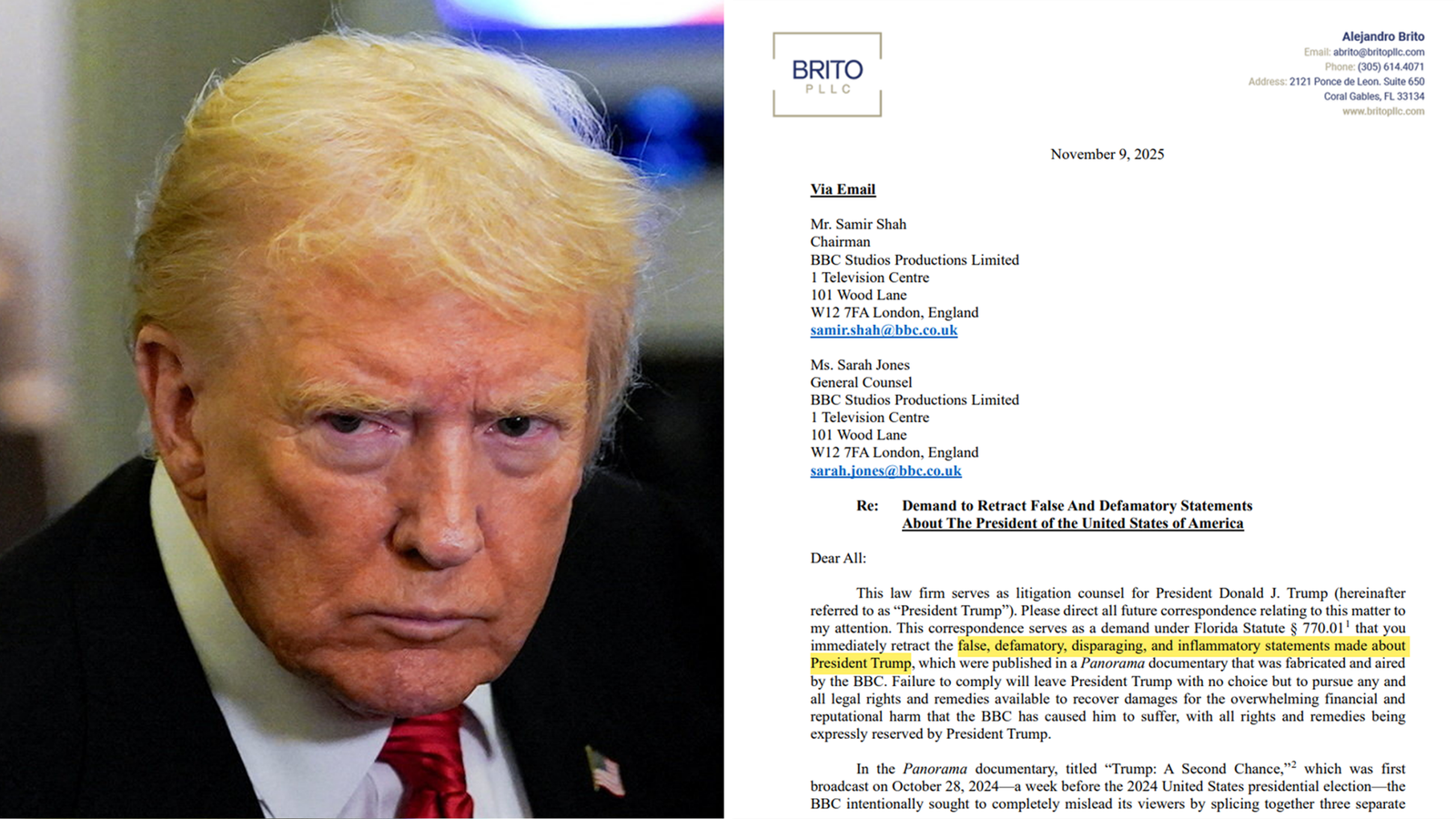
Trump’s 48-Hour Ultimatum to Iran Tests Global Nerves

Trump’s 48-Hour Ultimatum to Iran Tests Global Nerves
Trump ultimatum to Iran is not just a headline but a stress test for the fragile balance between deterrence and diplomacy. The former US president set a 48-hour window for Tehran to strike a deal while US forces scour Gulf waters for a downed pilot from the latest maritime clash. That compressed clock injects fresh uncertainty into oil routes, alliance cohesion, and the credibility of red lines. The White House and Pentagon are now juggling rescue operations, signaling to adversaries, and containing market panic. Every hour without an answer magnifies the risk of miscalculation and drags regional players into a confrontation none publicly want yet all quietly game out.
- 48-hour deadline raises stakes for US-Iran brinkmanship and market stability.
- Missing pilot search limits US escalation options while demanding rapid action.
- Regional allies weigh support against fear of retaliation on energy routes.
- Credibility of US deterrence hinges on proportional yet decisive responses.
Ultimatum Math: Why 48 Hours Matters
Deadlines like 48 hours compress strategic options into a binary: comply or confront. For Tehran, accepting talks under pressure risks domestic backlash, but rejecting them could trigger kinetic strikes on IRGC assets or proxy networks. For Washington, a ticking clock can reassure domestic audiences of resolve while creating pathways for backchannel solutions that avoid a shooting war. Yet every minute lost in the search for the missing pilot narrows the Pentagon’s appetite for escalation, since force protection becomes priority one.
Key insight: Time-boxed demands create clarity for decision-makers but amplify chances of error if intelligence is incomplete or channels are jammed.
Signal Versus Noise
Historically, ultimatums function as strategic signals. Here, the signal is deterrence: stop harassing shipping, return the pilot if captured, and open a negotiation window. The noise comes from militia attacks, online disinformation, and election-year politics. Filtering that noise requires airtight intelligence loops between CENTCOM, allies, and civilian leadership. Any misread could cause a strike that Tehran interprets as regime-change intent, triggering retaliation against Gulf infrastructure.
Domestic Calculus
Election timelines shape the ultimatum. A tough stance plays well with hawkish voters, but a prolonged standoff risks voter fatigue and market jitters. Tehran knows this and may drag out responses to exploit US political cycles. The administration must therefore show visible progress – the recovery of the pilot, intercepted drones, or intercepted communications – to sustain public support.
Operational Reality: Searching for One Pilot
The operational backdrop is a complex search-and-rescue mission likely involving P-8 Poseidon aircraft, MH-60 Seahawk helicopters, and naval assets combing contested waters. SAR operations consume bandwidth, diverting ships and drones that might otherwise posture against Iranian fast boats or missile crews. A single downed aviator becomes the hinge on which escalation turns.
Logistics Under Fire
Every sortie devoted to the pilot search reduces surveillance coverage over critical chokepoints like the Strait of Hormuz. The Pentagon must prioritize air refueling tracks, deconflict with commercial lanes, and manage the risk of Iranian GPS spoofing or electronic warfare. If Tehran possesses the pilot, it gains leverage. If not, both sides face a fog-of-war scenario that invites missteps.
Rules of Engagement Pressure
Commanders juggle two tasks: rescue and deterrence. The more aggressive the search – flying low, pushing into Iranian-claimed airspace – the higher the chance of confrontation. Clear ROE that allow self-defense without inviting escalation are essential. A single misinterpreted maneuver could snap the 48-hour window shut.
MainKeyword and Market Shock
Energy markets price risk quickly. A Trump ultimatum to Iran sends futures upward as insurers reassess premiums for tankers transiting Hormuz. Traders remember past incidents: mine attacks on tankers, drone strikes on Saudi facilities, and missile launches from proxies. Even absent missiles, uncertainty moves prices. That feeds inflation headlines at home, pressuring policymakers to stabilize the situation before voters feel the pinch at the pump.
Market takeaway: The mere hint of constrained
seaborne crudesupply can add dollars to the barrel, complicating central bank plans to cool inflation.
Allied Bandwidth
Allies like the UK and France may offer naval escorts, but their own political cycles limit appetite for a prolonged deployment. Gulf partners want deterrence yet fear retaliation on desalination plants and pipelines. If Washington overplays the ultimatum, allied coalition optics fracture; if it underplays, adversaries question commitment.
Diplomatic Backchannels: The Only Off-Ramp
Behind public threats lie Swiss intermediaries, Omani go-betweens, and quiet signals through European capitals. The goal: secure the pilot, halt harassment of shipping, and set a narrow agenda – perhaps centrifuge limits or maritime code-of-conduct rules. Any deal must be face-saving for Tehran, offering sanctions relief or humanitarian carve-outs without rewarding aggression.
Face-Saving Architecture
One model is a reciprocal pause: Iran curbs proxy harassment and naval maneuvers while the US pauses new sanctions designations. Verification could rely on satellite ISR and AIS data for vessel tracking. Such architecture requires trust in sensors, not in rhetoric.
Congressional Crossfire
Any concession triggers domestic fire. Hawks will warn of appeasement; doves will warn of sleepwalking into war. The administration needs a narrow, verifiable deliverable – the pilot’s safe return – to justify either sanctions flexibility or limited strikes. Without it, political space collapses.
Why This Matters Beyond the Gulf
The ultimatum is a case study in how flashpoints ripple globally. Asia depends on Gulf crude, Europe watches for migration surges from conflict, and Russia-Iran ties complicate sanction regimes. Cyber domains blur lines: a cyber probe on Gulf pipelines during the 48-hour window could be retaliation or mere probing. Attribution challenges make calibrated response harder.
Deterrence Precedent
If the ultimatum succeeds without major strikes, it sets a playbook for rapid coercive diplomacy. Failure with escalation would reinforce lessons from past conflicts: deadlines without clear enforcement invite brinkmanship. Either way, Beijing and Moscow will watch how Washington balances military readiness with diplomatic agility.
Tech and ISR Edge
Search and deterrence lean on satellite SAR, MQ-9 drones, and Link-16 data sharing. The speed at which commanders convert raw feeds into decisions will shape outcomes. If electronic interference degrades those links, the US may deploy more resilient mesh networks or fall back on legacy comms, slowing tempo and inviting risk.
Pro Tips for Reading the Next 48 Hours
- Watch for changes in
NOTAMadvisories – more restricted airspace hints at imminent action. - Track tanker insurance rates; spikes signal perceived escalation.
- Monitor official language: shifts from “retaliate” to “respond” indicate space for diplomacy.
- Note allied deployments; additional escorts suggest coalition resolve or fear of contagion.
These signals, combined with the pilot’s status, will reveal whether the ultimatum is leverage or prelude.
Future Implications If the Clock Runs Out
Should Tehran defy the deadline, expect a menu of calibrated strikes: cyber operations against IRGC logistics, interdictions of proxy shipments, or limited strikes on radar sites. Each action risks counter-moves from militias in Iraq or Syria. If the pilot remains missing, public pressure for a visible response will rise, even if intelligence remains murky.
Energy and Supply Chain Fallout
Heightened risk premiums will ripple through shipping, potentially diverting cargoes around the Cape of Good Hope, adding days and costs. Semiconductor and EV supply chains already stretched by rare-earth dependencies could feel secondary shocks from higher transport and energy costs.
Diplomatic Recalibration
A failed ultimatum could weaken US standing with partners seeking predictable security guarantees. Conversely, a disciplined, evidence-backed response could reinforce credibility. Either outcome will inform how future administrations set and enforce red lines.
Final Take
The 48-hour demand is a gambit that fuses military urgency with political theater. Success hinges on recovering the pilot, sustaining allied unity, and calibrating force to signal resolve without lighting the fuse of a broader conflict. The next two days will reveal whether the ultimatum was a masterstroke of pressure or an accelerant to instability. For markets, militaries, and diplomats alike, the clock is now the loudest sound in the Gulf.
The information provided in this article is for general informational purposes only. While we strive for accuracy, we make no guarantees about the completeness or reliability of the content. Always verify important information through official or multiple sources before making decisions.