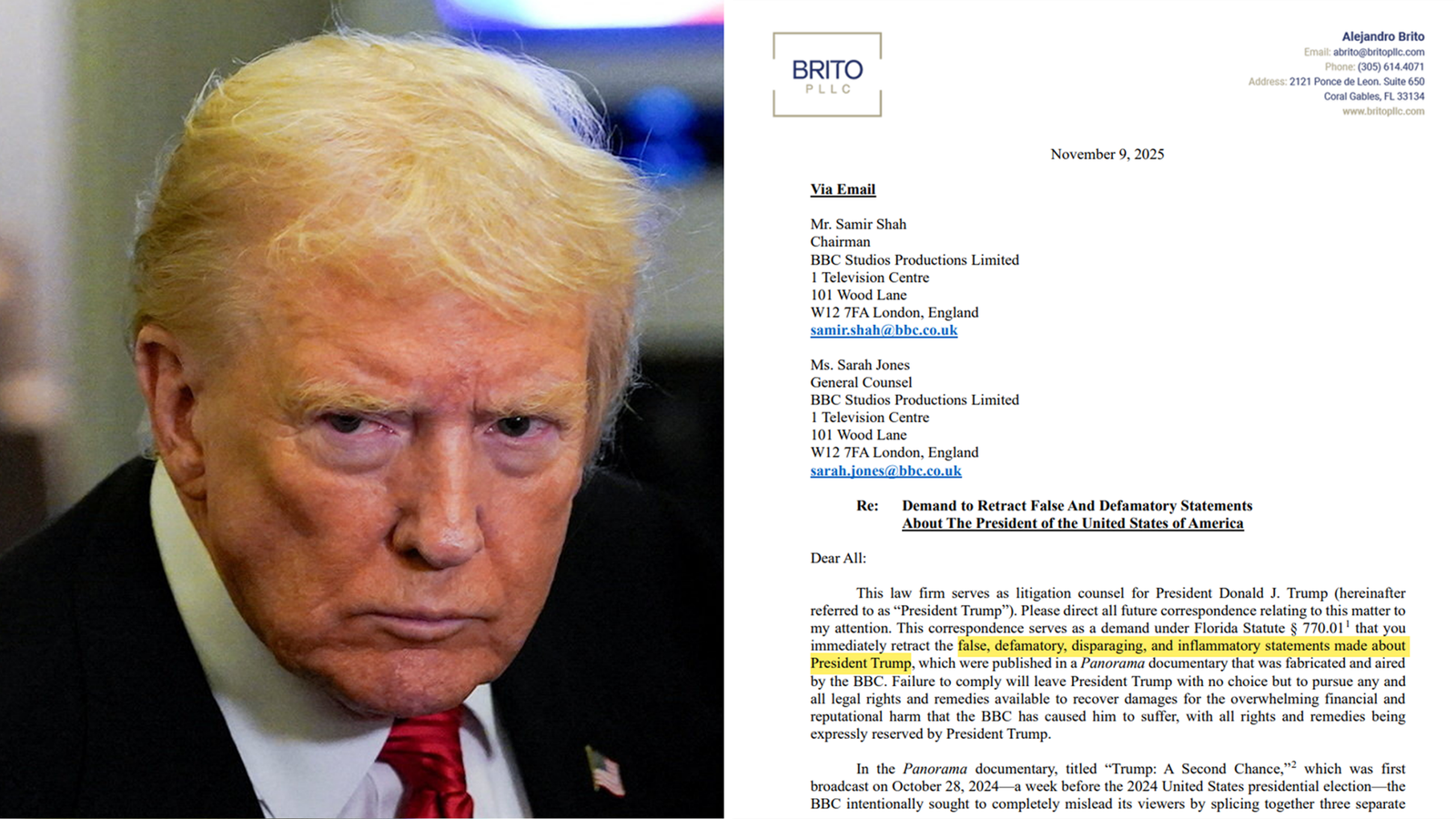
Trump’s Mail Voting Crackdown Tests Democracy

The fight over how Americans vote just turned kinetic. With a sweeping Trump mail-in voting order from the Oval Office, the administration is forcing states to rewind the expansion of mailed ballots that defined pandemic-era elections. Officials now must choose between compliance, legal warfare, or chaos – all while voter trust hangs by a thread. Election directors warn their procurement cycles, poll worker training, and certification timelines have been upended overnight, and the 2026 midterms are suddenly a stress test for democratic infrastructure.
- Executive order targets automatic mail ballot distribution and tightens ID rules.
- States face new unfunded mandates and compressed timelines.
- Legal challenges loom over federal authority vs. state control of elections.
- Election officials brace for operational turbulence and voter confusion.
How the Trump mail-in voting order rewrites the playbook
The order blocks states from sending unsolicited mail ballots and mandates stricter ID verification for mailed voting. It also instructs agencies to audit voter rolls and restricts the use of drop boxes. Administrations that invested in mail systems after 2020 now face abrupt reversals. State secretaries of state argue the Constitution gives them primary control over election administration, setting up a federalism clash.
Key insight: “This is not mere housekeeping – it is a philosophical rewrite of who decides how Americans vote,” said one veteran election attorney.
Historically, Congress and states have set mail voting terms, with federal courts acting as referees. By using an executive order, the White House is asserting emergency authority grounded in election security, a framing critics say oversteps the executive branch and invites litigation.
Operational shockwaves for states
Election infrastructure runs on predictable calendars. Ballot design, vendor contracts, and USPS coordination lock months ahead of Election Day. The new order forces states to retool processes late in the cycle, risking mismatched instructions, untested envelopes, and misaligned deadlines.
Procurement whiplash
States that already printed mail ballot packets face sunk costs and shortages as new ID fields and affidavit language become mandatory. Smaller jurisdictions may not have budget reserves to reprint, raising equity concerns between well-funded and cash-strapped counties.
Poll worker training crunch
Training materials must be rewritten to reflect tighter acceptance criteria for mail ballots. Errors in signature verification and ID checks could trigger spikes in rejected ballots, inviting disputes and recounts. Election directors warn that last-minute changes erode procedural consistency.
Pro tip: Agencies should simulate rejection workflows now, using historical mail ballot samples to benchmark error rates under the new rules.
Voter communication gap
Voters who expect automatic mail ballots may never receive them. States must quickly push clear notices, or risk a surge of provisional ballots on Election Day that slow counts and feed suspicion. Multilingual outreach and simple FAQ pages can blunt confusion.
Legal minefield and federalism fight
Expect immediate lawsuits arguing that the executive order usurps legislative authority and violates the Elections Clause. States that enshrined mail voting in statute will cite conflicts between federal directives and state law. Courts will weigh whether claimed security threats justify executive preemption.
Standing and timing
States and civil rights groups have standing, but courts may hesitate to impose nationwide injunctions close to an election. A patchwork outcome could emerge, with some states bound by the order and others exempt, deepening uneven access.
Precedent risk
Using executive power to recalibrate voting rules sets a precedent any administration could exploit. If upheld, future presidents might tighten or loosen access unilaterally, eroding the stability voters and administrators rely on.
Why this matters: The balance between federal oversight and state autonomy in elections is one of the last guardrails against partisan rulemaking.
Security claims vs. empirical evidence
The order cites fraud prevention, but data from multiple cycles show mail ballot fraud rates are minuscule. Security experts emphasize process controls: barcoded envelopes, chain-of-custody logs, and post-election audits. If the goal is integrity, investments in auditability and transparency outperform blanket restrictions.
Audit readiness
States should expand risk-limiting audits to reassure voters and courts. Publicly posting audit methodologies can preempt misinformation. Transparent, evidence-driven practices build resilience regardless of policy swings.
USPS capacity
Limiting mail ballots may reduce USPS load, but sudden policy changes can create irregular surges of in-person voting. Coordination on delivery standards remains essential, especially for overseas and military ballots, which the order addresses with new ID requirements that may be hard to fulfill abroad.
Voter experience and trust
Every new procedural hurdle adds friction. Research shows friction disproportionately affects first-time voters, disabled voters, and those juggling multiple jobs. If ballots are rejected at higher rates, transparency in cure processes is crucial. States need clear, quick notification channels: text alerts, email, and hotline support.
Design for clarity
Ballot envelopes must include plain-language instructions on new ID fields. Visual cues and checklists reduce mistakes. Testing instructions with real voters before mass printing can catch confusion points.
Reader takeaway: Friction that feels minor in design meetings can become decisive under Election Day stress.
Future implications: normalization of executive election moves
If courts bless this approach, executive orders could become a standard tool to reshape voting. That prospect could trigger a legislative response: Congress may seek to codify guardrails or clarify emergency powers. States might accelerate constitutional amendments to enshrine voting methods and limit executive override.
Tech and data backlash
Centralized audits and ID checks demand robust data pipelines. Without strong access controls, states risk breaches of sensitive voter data. Legislatures may push for privacy safeguards, encryption standards, and vendor accountability to avoid weaponizing voter files.
Platform misinformation
Any policy swing fuels narratives on social platforms. Election officials should pre-bunk likely myths, publish timelines, and share test results of new processes. Transparency narrows the space for conspiracy theories.
What election officials should do now
Even as lawsuits fly, administrators must prepare for compliance scenarios.
- Scenario planning: Build parallel workflows: one compliant with the order, one aligned with existing state law.
- Vendor sprints: Lock print vendors and envelope suppliers with surge capacity clauses.
- Training refreshers: Push micro-trainings via video to standardize new acceptance rules.
- Cure pipelines: Automate voter notifications for rejected mail ballots with SMS and email.
- Audit scripts: Pre-write
risk-limiting auditplaybooks to publish alongside results.
Bottom line: the democratic stress test
The Trump mail-in voting order is less about logistics and more about power: who sets the terms of participation, and how stable those terms remain. Administrators must balance legal obedience with voter access, while courts decide how far executive authority can reach. The next few months will reveal whether election systems built for steady-state governance can survive governance by surprise.
The information provided in this article is for general informational purposes only. While we strive for accuracy, we make no guarantees about the completeness or reliability of the content. Always verify important information through official or multiple sources before making decisions.