US Bets Big on Niger Uranium
US Bets Big on Niger Uranium
The scramble for nuclear fuel just got geopolitical. The US uranium investment in Niger is not simply a mining deal – it is Washington trying to re-enter a country where its military footprint collapsed, its influence was dented, and its rivals moved fast. Two years after US troops left Niger, the approval of a $414m investment tied to uranium production shows how critical minerals are rewriting foreign policy. For energy buyers, nuclear developers, and governments betting on reactors as climate infrastructure, this is a supply-chain story with security consequences. For Niger, it is a test of whether resource sovereignty can translate into durable leverage rather than another cycle of extraction, debt, and dependence.
- The US approved a $414m uranium investment in Niger, underscoring Washington’s focus on nuclear fuel security.
- The move comes after Niger pushed out US troops, showing a shift from counterterrorism to minerals diplomacy.
- Uranium is becoming a strategic commodity as nuclear power regains momentum worldwide.
- Niger gains bargaining power, but also faces governance, security, and sovereignty risks.
- The deal could reshape competition among the US, Russia, China, France, and regional military governments.
Why the US Uranium Investment in Niger Matters Now
Washington’s approval of a $414m uranium investment in Niger lands at a moment when nuclear power is moving from political taboo to industrial priority. Governments are looking for dependable baseload electricity, data centers are hunting for massive clean energy contracts, and advanced reactor companies are promising smaller, faster, modular nuclear plants. None of that works without fuel.
That is the uncomfortable truth behind the deal. Uranium is not just a commodity traded on a spreadsheet. It is the starting point for a nuclear supply chain that includes mining, milling, conversion, enrichment, fabrication, regulation, and long-term waste management. A disruption at any stage can become a national energy problem.
Key insight: The new race is not only about who builds the reactors. It is about who controls the fuel that keeps them running.
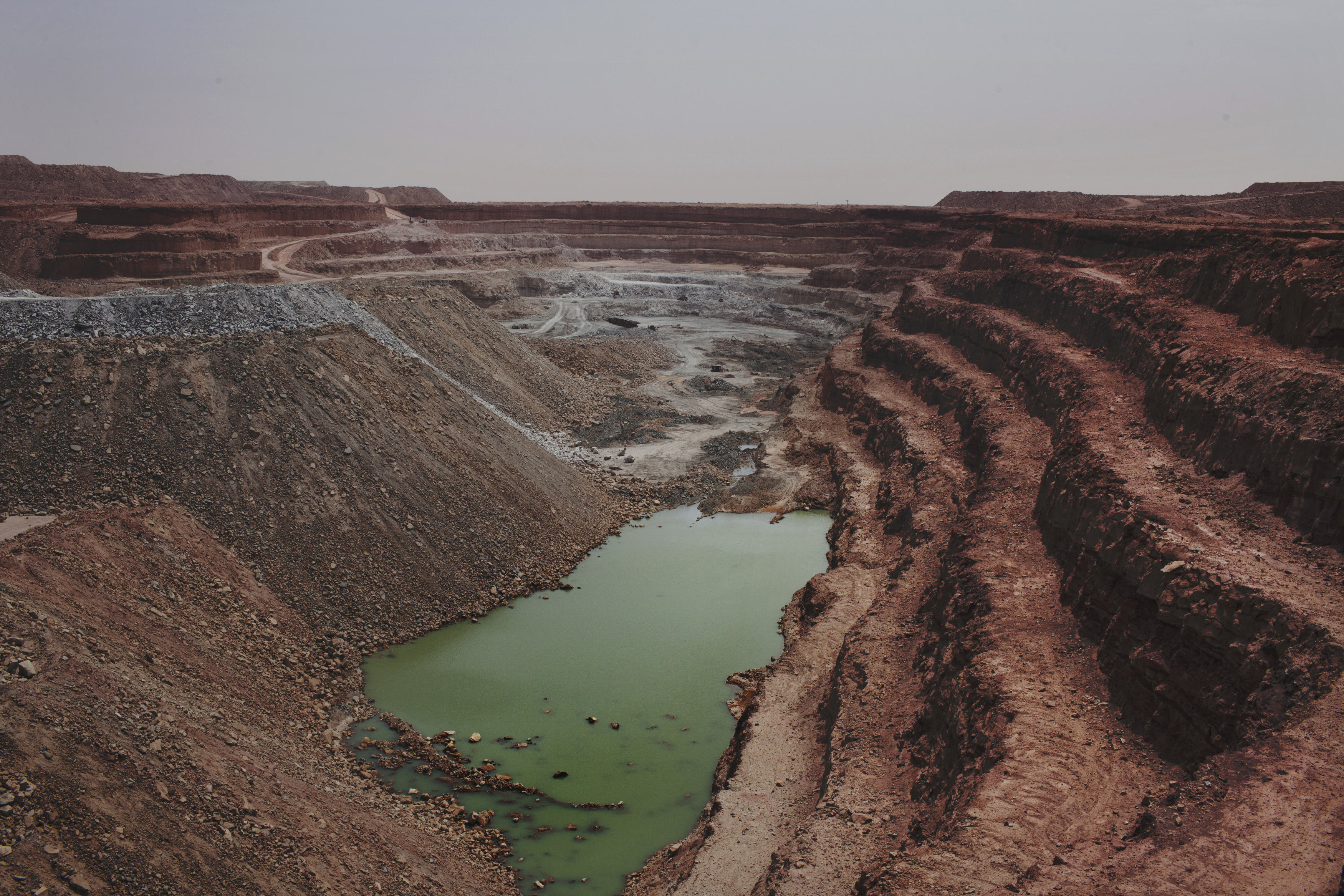
Niger has long been one of Africa’s most important uranium producers. Its deposits have supplied international nuclear markets for decades, particularly through relationships shaped by France’s post-colonial energy strategy. But the country’s recent political rupture – including the exit of Western troops and a more assertive military government – has changed the terrain. The US now appears to be testing whether commercial investment can achieve what military presence no longer can: access, influence, and a seat at the table.
The Bigger Shift From Counterterrorism to Critical Minerals
For years, US engagement in the Sahel was dominated by security language: counterterrorism, drone bases, intelligence sharing, and training missions. Niger was central to that architecture. Then came political upheaval, public anger at foreign military footprints, and a regional trend of juntas rejecting Western defense partnerships.
The approval of a major uranium investment does not erase that rupture. It reveals a new operating model. Instead of leading with troops, Washington is leading with capital, supply chains, and strategic finance. This is a quieter form of power, but not necessarily a softer one.
Minerals Diplomacy Replaces the Base Network
The US has learned a hard lesson across Africa and the wider Global South: countries rich in strategic resources are no longer willing to be treated as passive suppliers. They want infrastructure, jobs, processing capacity, security guarantees, and respect for sovereignty. If Washington wants access to uranium, lithium, cobalt, rare earth elements, and graphite, it has to compete on terms that host governments find politically defensible.
That means deals must be framed as development partnerships, not extraction campaigns. The credibility test will be whether Niger sees lasting benefits beyond royalties and headlines. Local employment, environmental safeguards, power infrastructure, and transparent revenue management will matter as much as production targets.
Why Uranium Is Back in the Spotlight
Uranium demand is rising because nuclear energy is regaining elite support. Climate targets are difficult to meet with intermittent renewables alone. Industrial loads are growing. Artificial intelligence infrastructure is pushing electricity demand higher. Meanwhile, countries want energy systems that are less exposed to gas price shocks and shipping chokepoints.
That is why uranium is being pulled into the same strategic category as semiconductors and battery metals. The key metric is no longer just price per pound. It is supply assurance.
- Energy security: reactors need reliable fuel over long operating lifetimes.
- Geopolitical resilience: buyers want alternatives to dominant suppliers and politically sensitive routes.
- Industrial policy: nuclear fuel is now part of national manufacturing and climate strategy.
- Defense relevance: civilian nuclear supply chains overlap with broader strategic capabilities.
US Uranium Investment in Niger Is Also a Russia and China Story
Any major Western deal in Niger now sits inside a wider contest. Russia has expanded security and political influence across parts of the Sahel, often benefiting from anti-French and anti-Western sentiment. China has spent years building infrastructure, financing projects, and securing resource access through state-backed companies. France, long dominant in Nigerien uranium, has seen its position challenged by the country’s nationalist turn.
The US investment therefore functions as more than a commercial approval. It is a signal: Washington is not walking away from Niger, even after losing its military platform there. The question is whether that signal is strong enough to compete with rivals offering faster money, fewer political conditions, or more explicit security backing.
Editorial view: If the US treats Niger only as a uranium source, it will lose influence. If it treats Niger as a sovereign partner with leverage, it has a chance to rebuild trust.
The Risks Behind the $414m Bet
Big mining investments in fragile political environments come with heavy risk. Niger faces security threats, economic pressure, institutional uncertainty, and regional diplomatic strain. Uranium projects require long timelines, technical complexity, and stable operating conditions. Investors may be excited by the resource base, but execution is the real test.
Political Risk Is Not a Footnote
Mining contracts can become political symbols. A government can renegotiate terms, review permits, demand greater local ownership, or impose new tax structures. In countries emerging from political rupture, resource nationalism is not an exception – it is often the governing logic.
That does not make investment impossible. It makes governance central. The deal will need transparent terms and careful communication. If citizens believe the project enriches foreign firms while leaving local communities behind, it could become politically toxic.
Security Risk Can Disrupt Timelines
Niger’s geography matters. Uranium operations need roads, logistics, power, water, trained labor, and secure transport corridors. Instability can raise insurance costs, delay equipment deliveries, and complicate worker safety. Even if the mining site itself is secure, the broader operating environment can add friction.
For nuclear supply chains, delay is not trivial. Utilities plan fuel procurement years ahead. If a project becomes unreliable, buyers look elsewhere.
Environmental and Community Standards Will Be Scrutinized
Uranium mining carries environmental sensitivities, including tailings management, groundwater protection, radiation monitoring, and long-term site rehabilitation. These are not public relations details. They determine whether a project earns a social license to operate.
A credible project should prioritize independent monitoring, community consultation, worker safety, and public reporting. That is especially important in countries where citizens have reason to distrust opaque deals between elites and foreign companies.
What Niger Gains If It Plays This Right
Niger is not merely a backdrop for great-power competition. It has agency. A well-negotiated uranium investment could help the country extract better value from its natural resources, diversify partnerships, and push foreign actors to offer more than security lectures.
The opportunity is to move up the value chain. Raw mineral exports are the lowest rung. Greater value comes from processing, technical training, domestic services, infrastructure, and revenue systems that fund public goods. Niger may not become a full nuclear fuel-processing hub overnight, but it can insist on a development framework that goes beyond ore leaving the ground.
- Better fiscal terms: royalties, taxes, and equity stakes can improve public revenue.
- Local workforce development: technical training can create skilled jobs beyond the mine.
- Infrastructure spillovers: roads, power, and logistics upgrades can support wider economic activity.
- Strategic leverage: diversified partners reduce dependence on any single foreign power.
Pro Tips for Watching What Happens Next
Do not judge the deal by the headline number alone. In mining, announced investment and delivered value are different things. The next phase will reveal whether this is a serious supply-chain anchor or a geopolitical press release with a long runway.
Watch the Contract Terms
The most important details will be buried in ownership structures, offtake agreements, financing conditions, tax provisions, and dispute mechanisms. Terms that look attractive at launch can become controversial if prices rise or domestic politics shift.
Watch the Fuel Supply Chain
Mining is only step one. The US and its allies also need capacity in conversion, enrichment, and fuel fabrication. If uranium from Niger ultimately depends on bottlenecked processing elsewhere, the strategic benefit is limited.
Watch Niger’s Diplomatic Balancing
Niger may use the US approval to extract better offers from other partners. That is not a bug. It is how resource states maximize leverage in a multipolar market. Washington should expect competition, not loyalty.
The Future of Uranium Is Political
The US uranium investment in Niger captures the new reality of energy geopolitics. Clean power ambitions are colliding with mineral dependence, military drawdowns are being replaced by commercial re-entry, and African resource states are becoming more assertive in setting the terms of engagement.
For Washington, the bet is that strategic capital can rebuild influence where security partnerships failed. For Niger, the bet is that uranium can become a source of sovereignty rather than another extractive trap. For the nuclear industry, the lesson is blunt: the fuel cycle is no longer a quiet back-office concern. It is now one of the most important battlegrounds in the global energy transition.
The deal may prove smart, risky, or both. But it makes one thing clear: the next nuclear era will be built as much in mining regions and diplomatic negotiations as in reactor labs.
The information provided in this article is for general informational purposes only. While we strive for accuracy, we make no guarantees about the completeness or reliability of the content. Always verify important information through official or multiple sources before making decisions.