US Faces Russian Tanker Gambit off Cuba
US Faces Russian Tanker Gambit off Cuba
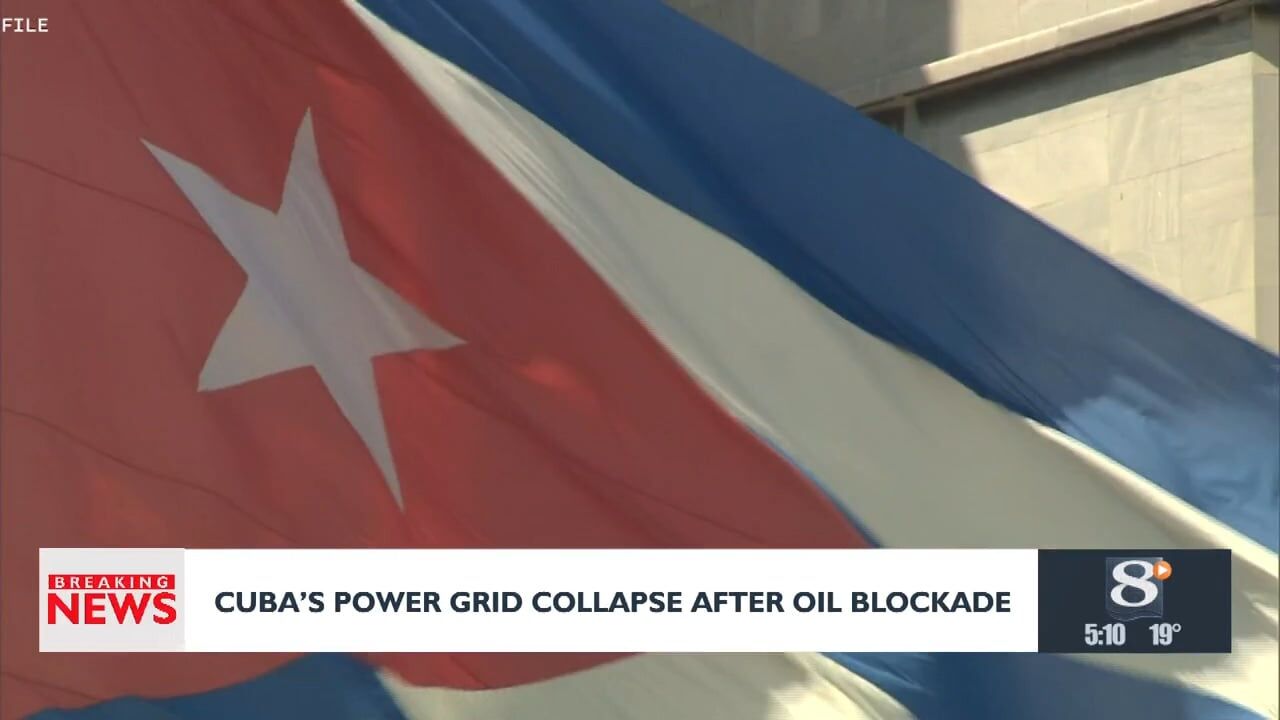
The US Cuba oil blockade standoff is not a theoretical chess match – it is a live-fire test of naval resolve, sanctions strategy, and election-year optics. A Russian oil tanker carrying refined fuel toward Cuba is now sailing into a grid of US warships, daring Washington to intercept and risk a clash with Moscow. The timing is brutal: energy markets are brittle, global shipping lanes are stretched, and a White House eager to project strength is wrestling with legal gray zones. Moscow, meanwhile, is betting that a single ship can fracture Western unity, embarrass US leadership, and expand influence in the Caribbean. This moment will either reaffirm freedom of navigation norms or rewrite them under pressure.
- US naval posture near Cuba tests how far sanctions enforcement can go without sparking conflict.
- Moscow uses one tanker to probe NATO resolve and court Latin American partners.
- Energy markets fear supply jitters as insurers and shippers watch for escalation.
- Legal ambiguity over maritime interceptions could set a precedent for future blockades.
Why the US Cuba oil blockade standoff matters now
Blockades are acts of war in classical doctrine, yet Washington is signaling a softer version: shadowing, inspecting, and potentially diverting a commercial vessel. The strategic wager is simple: deter fuel deliveries to Havana to weaken a regime aligned with Moscow, without firing a shot. But the cost is high. A misstep could invite reciprocal harassment of US tankers elsewhere, invite insurance spikes, and drive non-aligned nations toward Russian energy deals. The optics are even sharper in an election year, where any hint of weakness or overreach will be weaponized domestically.
The tanker is small, but the precedent is massive: if the US can halt it here, others may feel free to copy the playbook in contested waters elsewhere.
Moscow understands this. By routing a single ship through a politically sensitive corridor, the Kremlin tests not only US red lines but the cohesion of Western allies who depend on open sea lanes. Europe remembers the scramble for LNG cargoes; Asia watches because every maritime choke point suddenly feels more fragile.
Legal gray zones and the limits of interdiction
Under international law, stopping a foreign-flagged commercial vessel on the high seas without UN authorization is risky. Washington might cite sanctions, national security, or the Monroe Doctrine, but those rationales will face scrutiny. The US Coast Guard has boarded vessels suspected of smuggling before, yet a high-profile Russian tanker escorted by naval assets raises the stakes. Failure to act could signal softness; overreach could trigger legal challenges and retaliatory actions against US shipping in other theaters.
Maritime lawyers caution that every boarding without clear UN cover adds friction to freedom of navigation claims elsewhere.
To mitigate that risk, US planners are likely preparing a menu of graduated responses: persistent shadowing, hailing and inspection requests, pressure on insurers and ports to deny services, and cyber measures to delay or divert the voyage. Each step tries to bleed momentum without crossing into kinetic conflict.
Energy ripple effects
Cuba’s fuel demand is modest, but the symbolism is oversized. If the tanker is blocked, Havana faces blackouts and economic pain, which Moscow can spin as US cruelty. If it sails through, Russia proves it can puncture sanctions regimes and win goodwill in Latin America. Either outcome shakes markets. Insurers watch for any hint of military engagement, while traders price in higher risk premia on Caribbean routes. Meanwhile, Venezuelan and Iranian suppliers see an opening to offer alternative cargoes under looser scrutiny.
The US also risks handing Moscow a narrative victory. If Washington blinks, Russia claims sea power parity. If Washington blocks, it risks backlash across the Global South, where memories of unilateral interventions still sting. The calculus is brutal: maintain deterrence without alienating swing states in the emerging multipolar order.
Regional chessboard: Havana, Caracas, and beyond
Cuba has long relied on external patrons. With Venezuelan output erratic and Iranian deliveries limited, Russian refined products offer a lifeline. Blocking that flow forces Havana to ration fuel, worsening public frustration and migration pressures toward the US. Conversely, allowing the cargo could embolden Cuba to double down on Moscow, cementing a foothold for Russian intelligence and logistics a short sail from Florida.
Caracas is watching closely. If the US enforces a de facto blockade around Cuba, Venezuela will assume future cargoes could be targeted, potentially accelerating its pivot toward Asian buyers and alternative shipping channels. The Caribbean bloc, dependent on affordable fuel, may hedge by courting Chinese investment or negotiating side deals with Moscow. Every outcome erodes US influence unless paired with credible economic offerings.
Military posture and the risk ladder
US destroyers and Coast Guard cutters can maintain a watchful cordon, but the ladder of escalation is short. A misinterpreted maneuver, an accidental collision, or aggressive radio hails could be spun as provocation. Russia may deploy a naval escort or surveillance aircraft to film and amplify any tense encounters. The Pentagon must choreograph presence without posturing as an overt blockade, a semantic line that matters for diplomacy and law.
Think of it as a “gray blockade”: pressure without the formal declaration, leverage without the legal cover.
Electronic warfare and cyber tactics may also be in play. Spoofed GPS signals or delayed port clearances can stall the tanker without physical confrontation. Such measures are deniable yet escalate the tit-for-tat toolkit that other powers could copy in the South China Sea or Arctic routes.
Main scenarios ahead for the US Cuba oil blockade standoff
Scenario 1: Quiet diversion
Through insurance pressure or behind-the-scenes diplomacy, the tanker could be rerouted to a neutral port. This preserves face for both sides but sets a precedent for coercive economics over open force. It would also signal to other shippers that cargoes tied to sanctioned destinations face costly delays.
Scenario 2: Inspected and cleared
A US boarding, conducted politely and filmed for the record, could allow the ship to proceed while asserting enforcement authority. This is legally shaky but politically potent at home. Russia would cry foul, but absent violence, escalation risks stay low.
Scenario 3: Escorted through
If Russian naval assets appear and the US refrains from interference, Moscow scores a visible win. Expect a surge of similar voyages to test the new norm. Allies would question US resolve, while adversaries would note the restraint.
Scenario 4: Confrontation
A clash – even a minor collision or warning shot – would jolt markets and alliance politics. NATO would be pressed to react, China would take notes for Taiwan scenarios, and shipping insurers would spike rates. Avoiding this outcome is the quiet objective of every admiral involved.
Election-year optics and messaging discipline
Domestic politics shape every radio call on the water. A firm stance plays well with hawkish voters; a misstep fuels critiques of reckless brinkmanship. The administration must calibrate language: tough enough to deter Moscow, careful enough to reassure markets. Leaks and live-streamed footage will frame public perception faster than official statements. The communications war is already underway.
What to watch next
Track marine transponders for unexpected course changes. Listen for insurer advisories that quietly halt coverage. Watch for Latin American statements that either condemn or endorse the action. Above all, monitor whether other Russian or allied tankers suddenly file new routes: copycats will reveal whether this gambit worked.
The takeaway is stark. A single tanker can tilt the balance between deterrence and escalation. The US must prove it can enforce red lines without detonating the global shipping system it depends on. Moscow must decide whether a symbolic win near Havana is worth risking a broader showdown. The rest of the world is learning the playbook – and preparing to run it in their own contested waters.
The information provided in this article is for general informational purposes only. While we strive for accuracy, we make no guarantees about the completeness or reliability of the content. Always verify important information through official or multiple sources before making decisions.