US Iran Sanctions Escalate Pressure
US Iran Sanctions Escalate Pressure
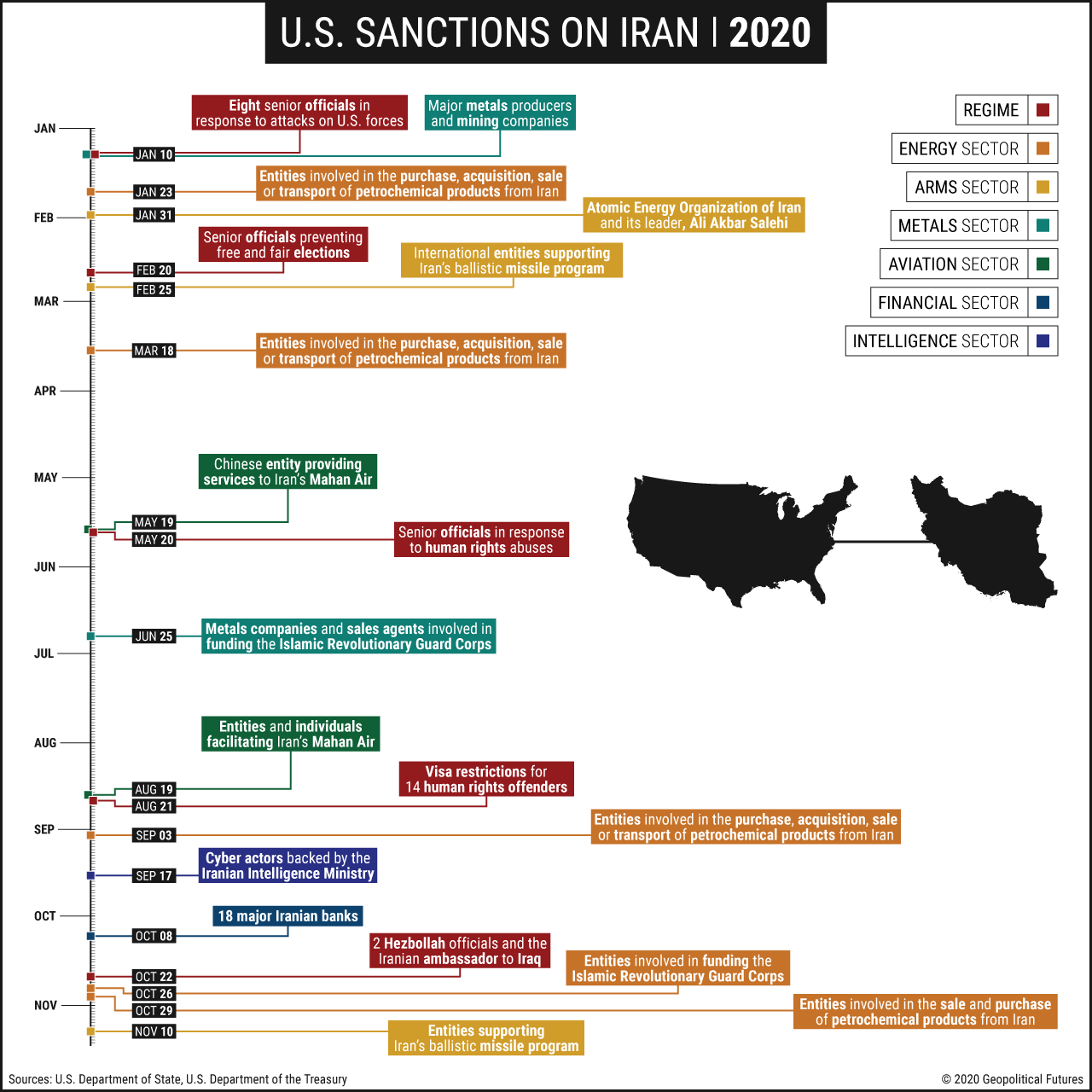
The latest round of US Iran sanctions is not just another diplomatic warning shot. It is a signal that Washington is prepared to turn economic pressure into a central weapon again, even as the fallout threatens trade routes, oil markets, and already fragile alliances. For businesses, diplomats, and anyone watching the Middle East, the message is blunt: the cost of doing nothing may soon be lower than the cost of staying exposed. And that is exactly why this moment matters. Sanctions have always been about leverage, but leverage only works when major powers, especially China, are willing to help enforce the rules. If they do not, the entire strategy starts to wobble.
- US Iran sanctions are being used as a broader pressure tool, not just a bilateral punishment.
- Washington is also trying to pull China into enforcement, which could determine whether the policy has real teeth.
- Markets should watch shipping, energy prices, and compliance risk, not just headlines.
- The crisis raises the odds of tighter regional instability and more friction across global supply chains.
Why the US Iran Sanctions Fight Is Sharpening Now
The immediate problem is simple: sanctions only matter if they are enforceable. The deeper problem is geopolitical. Washington wants to squeeze Iran economically while preserving room for diplomacy, but that balance gets harder when tensions are high and partners are reluctant to absorb the blowback. In practice, this means US Iran sanctions are becoming part of a wider contest over who gets to shape the rules of global trade and security.
China sits at the center of that contest. It is one of the largest buyers of Iranian energy and a critical player in the trade networks sanctions are meant to disrupt. If Beijing participates, even partially, enforcement becomes far more credible. If it resists, the sanctions regime risks becoming a mostly symbolic gesture that still raises costs for everyone else.
Sanctions are not just about punishing a target. They are about convincing third parties that the risk of noncompliance is bigger than the reward.
US Iran Sanctions and the China Factor
When Washington urges China to support sanctions enforcement, it is really asking Beijing to help narrow Iran’s economic escape routes. That is a tall order. China has repeatedly signaled that it prefers stability in energy markets and strategic flexibility in its Middle East relationships. From Beijing’s perspective, joining an American-led squeeze on Iran could look less like cooperative diplomacy and more like surrendering leverage.
That tension is why the current phase of US Iran sanctions deserves close attention. The policy is no longer just about Iranian behavior. It is also about whether major powers will align on enforcement, and whether global trade institutions can still function when political interests diverge. If China declines to help, Washington may lean harder on secondary sanctions, shipping restrictions, and financial compliance pressure.
What that means for companies
Companies with exposure to energy, shipping, insurance, logistics, or cross-border finance should expect increased scrutiny. Sanctions risk is rarely contained to one sector. A tightening regime can ripple through payment processors, freight routes, vessel tracking, and even contract language. That is why compliance teams should treat this as a live operational issue, not a policy sidebar.
- Review counterparties for indirect Iran exposure.
- Audit shipping documentation and beneficial ownership records.
- Stress-test payment flows for sudden transaction holds.
- Monitor insurance clauses tied to sanctioned routes or cargo.
Why This Matters Beyond Diplomacy
This story is not only about Washington, Tehran, and Beijing. It has downstream effects that can hit consumers and corporations far from the negotiating table. Energy markets are especially sensitive. Even the threat of tighter enforcement can move oil prices if traders believe supply could be constrained or if tensions raise the chance of broader instability.
There is also a bigger strategic question: are sanctions still an effective tool, or have they become an overused reflex? The answer is uncomfortable. Sanctions can be powerful when they are coordinated, targeted, and backed by credible enforcement. But they can also harden positions, accelerate workarounds, and push states to build alternative systems for trade and finance. That is one reason the current US Iran sanctions push feels so consequential. It is testing whether the traditional sanctions playbook still works in a more fragmented global economy.
When major economies stop cooperating, sanctions can become less like a scalpel and more like a blunt instrument.
How Enforcement Pressure Usually Works
To understand the stakes, it helps to look at the mechanics. Sanctions are not just lists. They are a network of restrictions that can touch banks, freight operators, insurers, energy traders, and technology providers. The strongest regimes work because participants fear secondary consequences, such as losing access to dollar clearing or facing penalties in major markets. That is why the phrase US Iran sanctions carries weight far beyond Iran itself.
The enforcement stack usually looks like this:
- Targeted designations on firms, vessels, or individuals.
- Financial controls that make transactions harder to route.
- Shipping and insurance pressure that complicates physical movement of goods.
- Secondary sanctions that warn third parties against helping the targeted economy.
Each layer adds friction. None of them is foolproof. Sophisticated actors adapt quickly, using shell firms, transshipment hubs, and informal payment structures. That is why enforcement is as much about political coordination as it is about legal authority.
What to Watch Next
The next phase will likely hinge on three questions. First, does Washington broaden the sanctions package or keep it narrowly focused? Second, does China offer any practical support, or simply issue diplomatic caution? Third, do markets believe the enforcement campaign will disrupt oil flows or trade routes enough to matter?
If the answer to any of those is yes, the ripple effects could grow fast. We could see stronger compliance alerts from banks, more conservative behavior from shipping firms, and greater caution among multinational companies operating in the Middle East. On the political side, the pressure could also complicate any parallel diplomatic efforts, especially if both sides read sanctions as a substitute for negotiation rather than a prelude to it.
Pro tips for risk teams
For compliance and strategy teams trying to get ahead of the curve, the practical move is to treat US Iran sanctions as a scenario-planning exercise, not just a legal review.
- Map indirect exposure through suppliers, brokers, and logistics partners.
- Build fast escalation paths for payment blocks and customs holds.
- Prepare alternate routing for shipments vulnerable to regional disruption.
- Train procurement teams to flag suspicious ownership structures early.
That kind of preparation can prevent a policy announcement from becoming a full-blown operational crisis.
The Bigger Strategic Read on US Iran Sanctions
The most important takeaway is that sanctions are now part of a contest over global alignment. Washington wants pressure. China wants flexibility. Iran wants survival. Those three goals are not compatible in any clean way, and that is why the current standoff is so combustible.
If enforcement tightens, Iran will likely search for more creative workarounds and deepen ties with actors willing to tolerate higher risk. If enforcement falters, Washington may respond with more aggressive unilateral measures, which could strain relationships with allies and partners. Either outcome suggests the same thing: the era of easy sanctions is over. The policy still matters, but only when backed by coordination, discipline, and a clear endgame.
For now, the headline is simple, but the implications are not. The push for tougher US Iran sanctions is about far more than punishment. It is a test of whether major powers can still shape behavior in a fractured world – and whether economic pressure can work when the biggest players are no longer on the same page.
The information provided in this article is for general informational purposes only. While we strive for accuracy, we make no guarantees about the completeness or reliability of the content. Always verify important information through official or multiple sources before making decisions.