Victorian Liberals rocked by Moira Deeming character reference storm
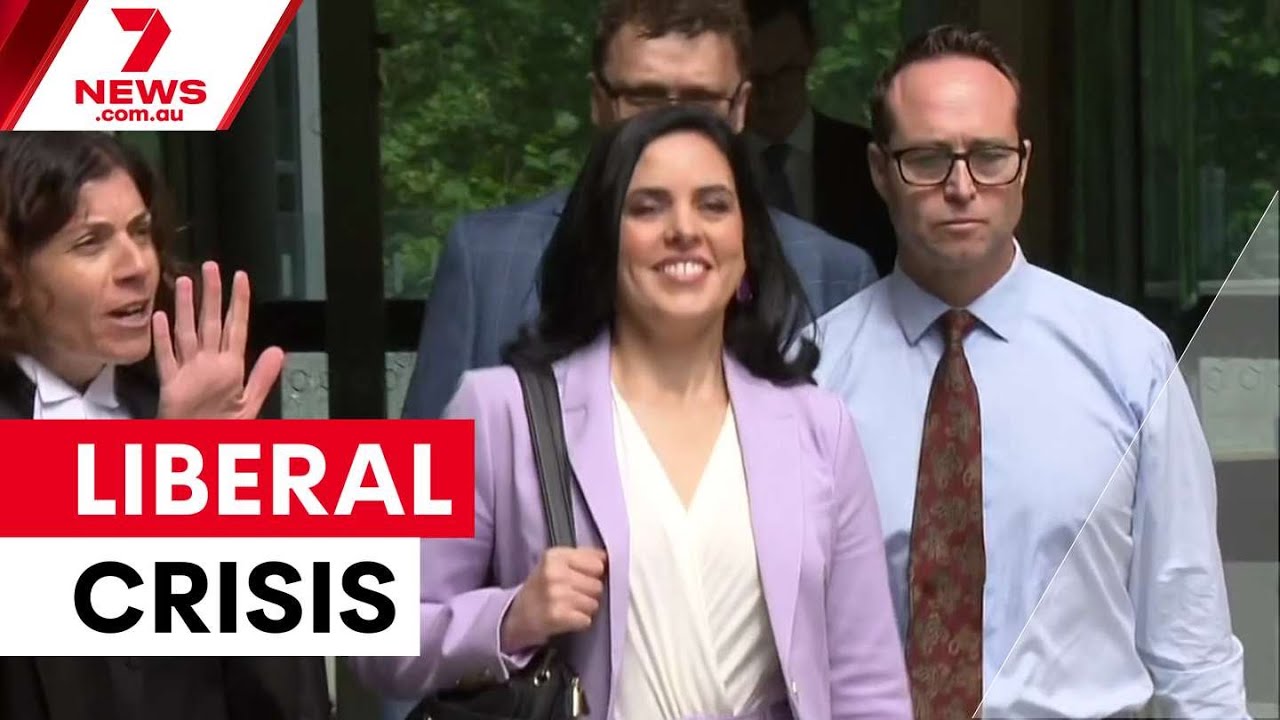
Moira Deeming controversy has become political napalm in Victoria: a suspended Liberal MP submitted a character reference for a convicted child sex offender, only to withdraw it under pressure while claiming she acted on incomplete information. The episode detonates right as the opposition tries to look disciplined for the next state contest, leaving voters wondering whether the party can police its own judgment. The real stakes: trust in leadership, candidate vetting, and the moral bar set for anyone seeking public power. This is not a routine misstep – it is a stress test of what a modern conservative movement chooses to defend, excuse, or condemn.
- Deeming wrote, then withdrew, a character reference for a registered sex offender, triggering bipartisan outrage.
- Victorian Liberal leadership grapples with oversight failures and factional infighting.
- The episode revives debates about how parties vet endorsements and allies.
- Labor seizes the scandal to question the opposition’s fitness to govern.
- Future leadership stability hinges on how decisively accountability is enforced.
Moira Deeming controversy puts Liberal judgment on trial
The Victorian Liberals were already nursing wounds from internal rifts when the Moira Deeming controversy erupted. Deeming, suspended from the party room after previous far-right associations, wrote a character reference for Dinesh Gourisetty – a convicted child sex offender – who sought leniency in court. That reference vanished only after media scrutiny, raising the question: why did it exist in the first place? The party now faces a double bind. Admit lax oversight and anger its base, or defend a member whose decisions alienate mainstream voters. Neither path is painless, and both expose the brittle coalition holding the Liberals together.
“When safeguarding children collides with factional loyalties, the only acceptable winner should be safeguarding children.”
Opposition leader John Pesutto cannot afford ambiguity. His earlier attempts to discipline Deeming over anti-trans protest links led to internal legal threats and public feuds. Now, the reference scandal resurfaces old wounds and tests whether leadership can draw a line that sticks. If Pesutto wavers, he risks validating criticism that the party lacks a moral compass. If he acts decisively, he risks a backlash from members sympathetic to Deeming or hostile to perceived media pressure.
Character references as political currency
Character references are usually routine artifacts in sentencing submissions, but when a public official offers one for a sex offender, it becomes political shrapnel. The Victorian Liberals must explain how an MP with a suspended status was still comfortable lending her name to a case involving the most sensitive criminal category. The optics are brutal: a party that campaigns on law and order now tied to leniency pleas for a predator. Even if Deeming claims she acted without full knowledge, due diligence is a baseline expectation for anyone in office.
Labor seized the moment, framing the incident as proof the opposition cannot self-regulate. That message resonates because this is not an isolated gaffe; it follows rallies where neo-Nazis appeared, public spats over disciplinary letters, and ongoing culture-war entanglements. Each data point strengthens the narrative that the Liberals are distracted by ideological battles instead of bread-and-butter governance.
MainKeyword and the leadership stress test
The mainKeyword – Moira Deeming controversy – is less about one reference and more about whether leadership can impose standards without fracturing the party. Pesutto already compromised once, moving from expulsion to suspension to avoid prolonged legal war. That compromise is now framed as weakness, and this latest scandal magnifies the cost of half measures. Leadership strength is judged not just by public statements but by the willingness to enforce consequences when red lines are crossed.
“A party that cannot discipline its own members cannot credibly promise disciplined government.”
Factional calculus complicates every decision. Expelling Deeming could placate moderates and reassure voters who demand zero tolerance. Yet it might embolden conservative power brokers to rally around martyrdom narratives. Keeping her risks hemorrhaging credibility with suburban families who see child protection as non-negotiable. The party is squeezed between ideological coherence and electoral viability – a tension that cannot be managed by silence or procedural delay.
Why vetting failures keep repeating
This saga is the latest sign that vetting protocols inside the Victorian Liberals are porous. After the anti-trans rally debacle, one would expect an aggressive tightening of approvals and media monitoring. Instead, the character reference suggests a reliance on individual discretion without systemic guardrails. The lesson for any political organization: establish clear rules for endorsements, court submissions, and public statements, with rapid escalation triggers when cases involve vulnerable populations.
Pro tip for political staffers: create a standing rule that any request related to criminal matters – especially involving children – goes through legal and leadership review before an MP signs. A simple internal clearance checklist can prevent scandals that consume weeks of political oxygen and erode trust. Accountability is not merely punitive; it is preventative.
Media framing and public sentiment
The media narrative has crystalized around two themes: judgment and empathy. Outlets highlight the stark contrast between law-and-order rhetoric and the act of supporting a convicted offender. Voters are primed to distrust politicians who appear to minimize harm against children. That perception is difficult to reverse, even if Deeming insists on ignorance or misunderstanding. Public sentiment in such cases skews toward zero tolerance, and any nuance is perceived as excuse-making.
The Guardian report underscores how quickly a single document can reshape political fortunes. In the age of rapid news cycles, character references, tweets, and leaked emails become defining artifacts. Parties need crisis playbooks that assume mistakes will surface and demand immediate, transparent responses. Delayed statements or legalistic defenses only fuel suspicion.
Strategic options for the Liberals
The Liberals have three realistic paths. First, fully sever ties with Deeming and frame the move as a reset on standards. Second, keep her but impose strict conditions, betting that the news cycle moves on. Third, attempt to reconcile while launching an internal review of vetting procedures. The first path signals clarity but risks internal revolt. The second path gambles on public short-term memory – a risky bet given upcoming elections. The third path is a midpoint but may be read as indecision unless paired with visible reforms.
Given the sensitivity of child protection, the safest electoral path is decisive action with transparent process: publish new guidelines, mandate training, and demonstrate remorse. Anything less allows opponents to caricature the party as tolerant of moral lapses.
Why this matters beyond Victoria
This scandal is a microcosm of a broader tension inside center-right parties globally: balancing culture-war signaling with governing credibility. Aligning with fringe figures can energize a slice of the base but alienates the median voter. The Moira Deeming controversy will be studied by strategists as a case where short-term factional appeasement created long-term brand damage.
There is also a governance lesson. Parties that cannot manage internal conduct risk policy drift. Time spent firefighting scandals is time not spent developing economic or infrastructure plans. Voters may conclude that a party distracted by internal policing cannot be trusted with complex portfolios. That perception becomes a self-fulfilling prophecy: reduced trust yields electoral losses, which fuel further internal blame games.
Future implications for candidate recruitment
Recruitment pipelines will tighten. Expect more invasive background checks, mandatory training on handling legal matters, and explicit bans on endorsing individuals with sex offense histories. Some will decry this as overreach, but the alternative is reputational ruin. A smart party will codify a red-line list: no references for registered offenders, no affiliations with extremist groups, and immediate disclosure of any requests that intersect with criminal justice.
For aspirants, the takeaway is stark: personal judgment is as critical as policy expertise. A single misjudgment can eclipse legislative achievements. The Victorian Liberals now serve as a cautionary tale for every party operative planning a career in public life.
MainKeyword appears in voter calculus
As campaigns heat up, the mainKeyword reenters voter calculus in unexpected ways. Opponents will deploy it in debates, social ads, and local town halls to question the Liberals’ fitness. Even if the party enforces consequences, the narrative lingers: would this have been hidden without media exposure? That doubt erodes trust faster than any policy disagreement.
“Reputation compounds slowly and collapses instantly.”
For Pesutto, controlling the storyline requires proactive policy focus – cost of living, transport, schools – paired with visible integrity reforms. Otherwise, every press conference risks being hijacked by questions about Deeming. The longer the scandal breathes, the more oxygen it steals from the party’s agenda.
Accountability as political capital
Accountability can be reframed as an asset. By enforcing clear standards and accepting short-term pain, leadership can argue it values integrity over convenience. That stance may resonate with undecided voters weary of spin. However, accountability must be consistent; selective enforcement only deepens cynicism. If other members have skirted ethical lines without consequence, now is the moment to address them too.
Implementing an independent ethics panel would help. Empowering it to review complaints and publish findings introduces external credibility. The goal is not performative punishment but creating a culture where MPs think twice before acting.
Editorial verdict
The Victorian Liberals are at an inflection point. The Moira Deeming controversy is not a side story – it is a referendum on whether the party prioritizes safeguarding and judgment over factional protectionism. Every day without decisive action entrenches a narrative of drift. In politics, narrative is destiny.
The smart move is swift, transparent discipline paired with structural reform of vetting and endorsements. Anything less leaves the party hostage to future missteps by members who believe boundaries are flexible. Voters have limited patience for parties that discover standards only after public outrage. Leadership now has a narrow window to prove it can draw the line before the electorate draws it for them.
The information provided in this article is for general informational purposes only. While we strive for accuracy, we make no guarantees about the completeness or reliability of the content. Always verify important information through official or multiple sources before making decisions.