Viktor Orban Concession Signals Europe’s Democratic Reset
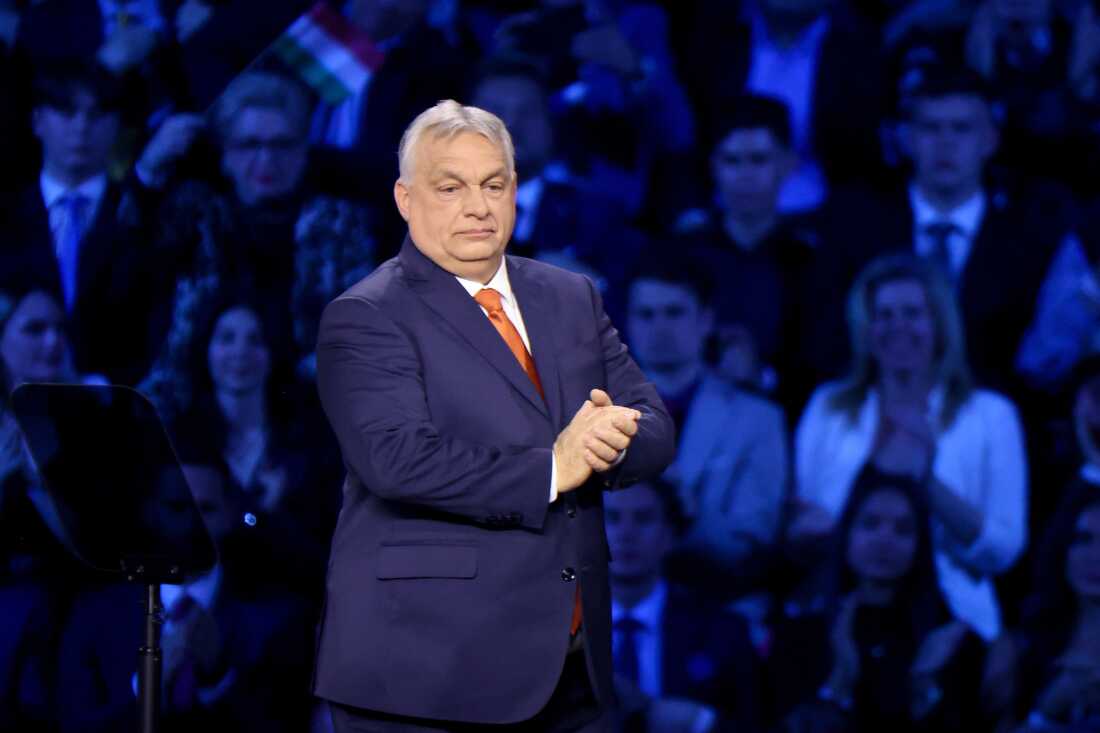
Viktor Orban Concession Signals Europe’s Democratic Reset
Hungary’s longtime power broker just blinked. Viktor Orban’s concession reshapes not only Budapest but the wider European equation, turning a decade of entrenched illiberalism into a live question about what comes next. The Viktor Orban concession lands as voters demand accountability, Brussels eyes leverage, and investors reassess risk: a rare inflection point where governance, markets, and identity collide in real time.
- Orbans admission ends an era of perceived inevitability and opens space for competitive politics.
- EU relations could thaw if reforms follow, unlocking stalled funds and investment.
- Regional populists lose a flagship model, while opposition leaders gain a playbook.
- Economic policy pivots will decide whether currency pressure stabilizes or accelerates.
- Media and judicial reforms are now the litmus tests for a democratic reboot.
The Shockwave of a Viktor Orban Concession
Orbans loss of parliamentary dominance breaks a narrative of invincibility that defined Central European politics for years. It rewires expectations for coalition building, cabinet control, and legislative tempo. Suddenly, the assumption that any reform could be bulldozed through supermajority math no longer holds. Investors, accustomed to policy whiplash, now watch for signals of fiscal prudence and rule-of-law guarantees that could bring stability premiums back into Hungarian bonds.
Key insight: The Viktor Orban concession transforms Hungary from a one-man certainty to a coalition variable overnight.
Timing matters. Energy prices are volatile, the forint faces recurring pressure, and EU cohesion funds remain partially frozen. A weakened executive must negotiate, compromise, and communicate more transparently to calm markets and placate Brussels. That creates openings for technocrats and moderates who were previously sidelined.
Power Vacuum or Policy Renaissance
The departing dominance leaves three immediate battles. First, who controls the legislative agenda. Second, which ministries become kingmakers. Third, how fast opposition blocs can convert electoral momentum into coherent governance. Fragmentation is a risk, but so is inertia: without swift coordination, budget deadlines and EU reporting cycles will expose disarray.
Recalibrating Rule of Law
Expect rapid moves to reassess judicial appointments, media ownership rules, and procurement oversight. These are the files Brussels monitors most closely. A credible reform roadmap could unfreeze billions, signal seriousness to ratings agencies, and reassure businesses that contracts will be honored without political interference.
Media Landscape After Orban
State-friendly outlets enjoyed preferential advertising and licensing. A concession moment invites scrutiny into how frequencies, grants, and editorial boards were allocated. Pluralism does not return by default; it requires quick safeguards that prevent consolidation by new power brokers repeating the same playbook.
Regional Populism Takes a Hit
Orban was a reference point for nationalist leaders from Warsaw to Rome. His electoral slip weakens the argument that illiberal consolidation is the inevitable endpoint of democratic fatigue. Populist peers now face a cautionary tale: overreach can be reversed when opposition unifies around rule-of-law, cost-of-living, and corruption narratives.
Quote to watch: “I have congratulated the victorious party” carries symbolic weight: a public acknowledgment that ballot math beats rhetoric.
For the European Union, the concession reinforces the utility of conditionality mechanisms. When EU funds hinge on compliance, domestic politics can bend. That precedent may shape future disputes on migration, climate, and digital regulation.
MainKeyword in the Economic Equation: Viktor Orban Concession and Markets
Markets price political risk quickly. The Viktor Orban concession shifts three indicators: currency stability, borrowing costs, and foreign direct investment. Immediate transparency on budget baselines and energy contracts could cap volatility. Conversely, any hint of chaotic coalition haggling will punish the forint and raise credit-default-swap spreads.
Energy Security Under New Management
Hungary’s reliance on Russian gas and nuclear partnerships will be reevaluated. A diversified mix of LNG, regional interconnectors, and renewables can lower exposure. However, renegotiating long-term contracts requires diplomatic finesse and technical sequencing so households do not absorb price shocks mid-winter.
Inflation and Household Relief
Price caps were a political tool with fiscal costs. A post-Orban cabinet must balance anti-inflation credibility with social protection. Targeted vouchers and phased cap removals can smooth the landing. The central bank will demand fiscal alignment to avoid policy conflict that previously unsettled investors.
Why This Matters for the European Project
Hungary often blocked EU consensus on migration quotas, sanctions, and media directives. A new posture could unblock files stuck in council corridors, from digital-services enforcement to green-transition funding. The signal to other member states: sovereignty rhetoric has limits when it risks isolation and lost capital.
Security and NATO Coordination
The concession could soften Budapest’s ambivalence on NATO force posture and defense procurement. Aligning more closely with alliance doctrine enhances deterrence, particularly as Eastern Flank anxieties persist. That said, domestic factions skeptical of defense spending may slow progress unless framed as economic stimulus with industrial offsets.
Migration and Border Management
Hungary’s razor-wire policies became emblematic of hardline border control. A recalibration might emphasize technology-driven screening, joint Frontex deployments, and legal pathways that reduce irregular pressure. Balanced messaging can maintain sovereignty narratives while aligning with EU burden-sharing.
The Cultural Rebound: Media, Academia, Civic Space
Universities and NGOs faced licensing hurdles and funding squeezes. A concession moment lets lawmakers revisit foreign-agent style rules and academic governance. Restoring research autonomy and NGO freedom can reboot innovation ecosystems, crucial for tech investment and brain retention.
Generational Politics
Younger voters propelled the upset, driven by housing affordability, digital freedoms, and climate anxieties. Bringing them into policymaking via youth councils and open data dashboards can institutionalize their influence beyond a single election cycle.
Digital Rights and Platforms
Content regulation will be scrutinized. Aligning with EU GDPR and Digital Services Act standards while protecting speech will test legislative craftsmanship. Clear rules on platform takedowns, data localization, and algorithmic transparency can position Hungary as a regional hub for privacy-minded startups.
Lessons for Opposition Movements
The coalition that unseated Orban blended urban-progressive energy with rural pragmatism. Key tactics: shared candidate slates, joint get-out-the-vote infrastructure, and disciplined messaging on corruption and living costs. Other movements can adopt this blueprint but must localize it to their own institutional quirks.
Playbook principle: Build trust through shared data rooms, unified canvassing apps, and pre-agreed policy baselines to avoid post-victory fragmentation.
Transparency commitments made on the trail need rapid conversion into legislative drafts and public dashboards. Delay breeds cynicism, eroding the goodwill that toppled the incumbent.
MainKeyword in Headline Policies: Viktor Orban Concession and Constitutional Tweaks
Orbans tenure embedded loyalists in courts and cultural boards. Undoing or rebalancing those appointments must respect procedural law to avoid claims of revenge politics. Options include term-limit adjustments, open hearings for appointments, and independent vetting panels. Each move will be scrutinized by domestic media and EU monitors alike.
Electoral System Repair
Single-member district maps and party-list thresholds shaped outcomes for years. A review commission can evaluate fairness criteria and propose boundaries that reflect demographic realities rather than partisan advantage. Public consultation will be critical to legitimacy.
Decentralization Debate
Centralizing power in Budapest left municipalities cash-strapped. A new arrangement could share tax revenues and grant local councils more procurement authority. That decentralization can spur regional growth but requires anti-corruption safeguards to avoid merely relocating patronage networks.
Pro Tips for Policymakers Navigating the Transition
Codify transparency fast: Publish budget APIs and contract registries to anchor trust. Sequence reforms: Prioritize judiciary and media independence before touching polarizing cultural policies. Use interim audits: Independent audits of state-owned enterprises can uncover liabilities before they trigger fiscal shocks. Engage Brussels early: Co-design milestones for unlocking funds to show alignment. Communicate to markets: Hold regular briefings with bondholders and ratings analysts to temper speculation.
Future Scenarios
Three plausible arcs emerge. First, a successful reform wave that restores EU funds and steadies the forint, making Hungary a case study in democratic renewal. Second, a stalled coalition that triggers snap elections, inviting a populist rebound. Third, a hybrid path where partial reforms coexist with lingering patronage, yielding a muddled investment climate. Which path prevails will depend on how quickly the new leadership aligns incentives across parliament, judiciary, and civil society.
Risk Factors to Monitor
Watch for coordinated pushback from entrenched appointees in key agencies. Track bond-yield spreads for signs of market impatience. Monitor media plurality metrics to ensure real diversity rather than cosmetic reshuffles. Finally, observe how migration and energy shocks are messaged: populist narratives can reconstitute quickly if economic pain goes unaddressed.
Why the Viktor Orban Concession Matters Now
This is not just a national reshuffle; it is a stress test for Europe’s ability to recalibrate democracy under strain. With wars nearby, energy markets tight, and digital governance evolving, Hungary’s pivot will influence regional alignments. The concession is the opening bell, not the closing ceremony. What follows will reveal whether a decade of centralized power gives way to resilient institutions or simply a new iteration of personalized rule.
The Viktor Orban concession stands as a reminder: in an era of disinformation, economic volatility, and geopolitical tension, electoral accountability still bites. If Hungary can channel this moment into transparent governance and inclusive growth, it could rewrite its story from outlier to reform model. If not, it risks another cycle of disillusionment that benefits the next strongman in waiting.
The information provided in this article is for general informational purposes only. While we strive for accuracy, we make no guarantees about the completeness or reliability of the content. Always verify important information through official or multiple sources before making decisions.