Waukesha Voters Flip the Script With a Hard Reset on City Hall
Waukesha Voters Flip the Script With a Hard Reset on City Hall
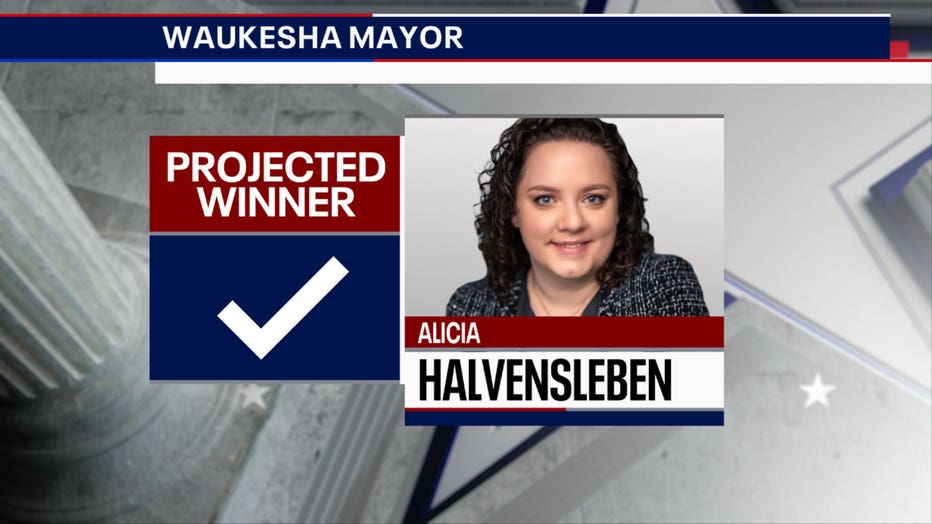
Shockwaves from the Waukesha mayoral race are reverberating far beyond Wisconsin. A suburban city long viewed as a bellwether just handed a surprise victory to a candidate who campaigned on competence over culture wars, defying partisan expectations and forcing both parties to rethink their 2026 playbooks. This upset arrives as national strategists hunt for reliable signals ahead of midterms, and Waukesha – once shorthand for predictable conservative margins – just rewrote its own rules. The win exposes voter fatigue with performative politics, elevates infrastructure and public safety as non-negotiables, and positions the new mayor as a case study in pragmatic governance. For campaigns plotting their next move, the message is blunt: deliver tangible fixes or get replaced.
- Waukesha voters rejected status quo narratives and rewarded a ground-game-first campaign.
- Infrastructure, water quality, and public safety beat culture-war messaging at the ballot box.
- The upset offers a replicable model: hyperlocal data, relentless door-knocking, and transparent budgeting.
- Statewide strategists are recalibrating turnout assumptions in once-reliable conservative suburbs.
How the Waukesha mayoral race broke the script
The outcome was not supposed to be close. Early polling showed the incumbent ahead, buoyed by name recognition and a loyal conservative base. Yet the challenger built a parallel universe of voters – independents, disaffected Republicans, and younger families – who felt left behind by stalled projects and rising utility bills. By election night, that coalition overwhelmed the old math.
“When you knock on 20,000 doors, you hear the same thing: fix the roads, fix the water, keep us safe,” one campaign staffer quipped. “No one asked for another televised feud.”
The challenger’s message was engineered for frictionless repetition: fix infrastructure, modernize public safety, and publish every budget line online. The campaign turned council meeting transcripts into concise weekly digests, delivered via email and neighborhood Facebook groups. Voters could skim, question, and share. Transparency became a rallying cry rather than a footnote.
Ground game beats airtime
Instead of leaning on costly TV buys, the campaign invested in field captains who owned micro-territories of 500 households. Each captain tracked concerns in a simple CSV-style database, prioritizing follow-ups on water rates, school traffic, and park safety. That granular data fueled tailored yard signs and short doorstep scripts. By the final week, volunteers knew which streets cared about potholes and which cul-de-sacs wanted clearer snowplow schedules.
Infrastructure as the new litmus test
The city’s aging water system, long a background worry, became the election’s centerpiece. The challenger promised a published Gantt chart for pipe replacements, a live dashboard for street repairs, and quarterly audits posted in PDF before council votes. That level of specificity contrasted sharply with the incumbent’s broad assurances, signaling a managerial mindset over rhetoric.
Why the Waukesha mayoral race rattles statewide strategy
Political operatives treated Waukesha as a turnout engine, not a persuasion battleground. That assumption just broke. If a suburb with a decades-long conservative tilt can swing on performance issues, similar counties across the Midwest become more volatile. For state parties, this translates into budget reallocations toward field ops and data hygiene rather than mass media.
Turnout math gets scrambled
The margin flip was fueled by modest but decisive shifts: a two-point uptick among independents, a three-point drop in straight-ticket ballots, and a surge of first-time municipal voters under 35. Those numbers undermine the habit of treating local races as sleepy precursors to state contests. In effect, Waukesha demonstrated that municipal ballots can act as stress tests for statewide messaging – and that neglecting them is a strategic error.
“We learned the hard way that assuming loyalty is lazy,” a state strategist admitted. “If you cannot show receipts on delivery, voters will shop elsewhere.”
Policy over personality
The victor’s debates were brisk and technical, featuring timelines for streetlight LED conversions, procurement reforms, and a pledge to post all contracts above $10,000 within 48 hours. By contrast, the incumbent leaned on biography and ideological alignment. Voters rewarded the candidate who treated the job like a civic operations role. That preference hints at a broader appetite for mayors who speak in implementation timelines rather than ideological shorthand.
Inside the campaign mechanics
The upset did not happen by accident. It was built on disciplined execution and an aversion to vanity metrics.
Micro-messaging with receipts
Every field script ended with a deliverable: a date for the next budget Q and A, a map of pending sidewalk fixes, or a link to a plain-language breakdown of water billing. The campaign A/B tested language in neighborhood texts, tracking response rates in a shared Google Sheet and iterating weekly. Messages that used verbs like “repair” and “publish” outperformed abstract calls to “support” or “invest” by double digits.
Financial transparency as a differentiator
The challenger released a pre-election mock budget, detailing cuts to discretionary consulting fees and reallocations to road maintenance. While nonbinding, it signaled seriousness. It also forced local media to cover line items rather than slogans, elevating the conversation above party ID. The incumbent’s refusal to match that transparency became a liability, framing him as evasive on spending discipline.
MainKeyword echo: Waukesha mayoral race signals a governance pivot
The Waukesha mayoral race is now shorthand for a pivot toward deliverables-first governance. Suburban voters who once prioritized ideology are demanding dashboards, deadlines, and data. That appetite will pressure candidates statewide to show implementation plans down to vendor selection and maintenance schedules.
Public safety reframed
Rather than simply promising more officers, the challenger proposed a 12-month modernization roadmap: upgraded CAD systems, body camera policy audits, and joint training with county responders. This granular focus repositioned public safety as an operational challenge, not a culture war topic.
Water and roads as trust currency
Fixing visible assets becomes a trust accelerant. The mayor-elect pledged to publish a monthly CSV of road closures and resurfacing progress, letting residents cross-check promises against reality. That kind of radical accountability could become standard if other candidates see how strongly it resonated.
Implications for 2026 races
State and federal candidates ignore this signal at their peril. Waukesha’s result suggests three shifts.
- Operational clarity beats vibes: Voters gravitate to candidates who speak in timelines and budgets.
- Field organizing scales authenticity: Door-to-door outreach created trust that social media ads could not.
- Transparency neutralizes partisanship: Publishing draft budgets and vendor lists turns ideology into secondary noise.
Expect more campaigns to debut public dashboards and pre-release spending plans. Expect fewer generic ads and more neighborhood-level communication. And expect suburban counties once considered safe to become genuine battlegrounds over execution, not rhetoric.
The backlash and the bounce
Not everyone is celebrating. Some business groups worry that aggressive renegotiations of city contracts could stall ongoing projects. Labor leaders are pressing for guarantees that cost-cutting will not reduce staffing. The mayor-elect counters with a promise to prioritize front-line roles and audit consultant-heavy line items first. If that balance holds, Waukesha could become a template for fiscally disciplined but service-forward governance.
“This is not austerity – it is prioritization,” the mayor-elect told supporters. “We will cut waste to fund what keeps you safe and moving.”
Meanwhile, the defeated incumbent leaves a cautionary tale: relying on legacy brand and broad ideology is not enough when constituents measure potholes and water pressure daily. The gap between televised talking points and street-level experience proved decisive.
Looking ahead: can the model scale
Scaling this model beyond Waukesha will require discipline. Larger cities face more complex stakeholder maps and union contracts. Yet the core principles – transparent budgets, specific timelines, relentless field contact – travel well. If candidates in Milwaukee or Madison mirror this playbook, they will need stronger digital infrastructure to handle feedback loops at scale. Expect open-data portals, API-ready budget files, and participatory budgeting pilots to gain momentum.
Metrics that matter
The mayor-elect promised a public scorecard tracking pothole repair time, water main uptime, police response time, and permitting speed. Publishing those numbers monthly will either validate the campaign’s promises or expose gaps. Either way, it sets a new accountability bar for Wisconsin municipalities.
What could derail the momentum
Several risks loom. Supply chain delays could slow infrastructure upgrades. Tight labor markets might hinder hiring for public works. Political opposition on the council could stall budget reallocations. The new mayor’s strategy hinges on visible early wins – a repaved arterial road, a transparent contract audit, a live repair dashboard – to cement public trust. Miss those milestones, and the honeymoon evaporates.
Why this matters beyond Wisconsin
Waukesha’s upset offers a national signal: suburban voters are pivoting toward operational competence. If replicated, this could reshape congressional and gubernatorial races, rewarding candidates who bring spreadsheets, not sound bites. The lesson is blunt for both parties: performance is now persuasion.
For residents, the change is immediate. Expect faster responses to service requests, clearer timelines, and a mayor’s office that treats residents like shareholders demanding quarterly reports. If the new administration delivers, Waukesha might become a benchmark – a midwestern city that proved boring, predictable governance is the real disruptor.
The stakes extend to 2026 and beyond. Campaigns nationwide will study this blueprint, adopting the pieces that fit their terrain. Voters will benefit if that competition produces more transparent budgets, safer streets, and infrastructure that finally keeps pace with suburban growth.
The information provided in this article is for general informational purposes only. While we strive for accuracy, we make no guarantees about the completeness or reliability of the content. Always verify important information through official or multiple sources before making decisions.