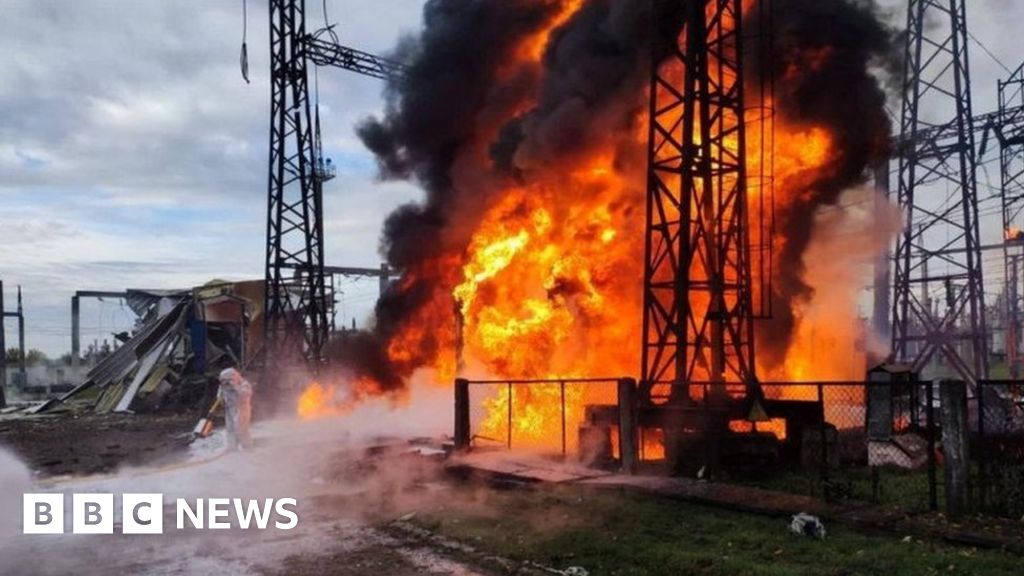
Albanese confronts Trump fallout in looming energy crunch
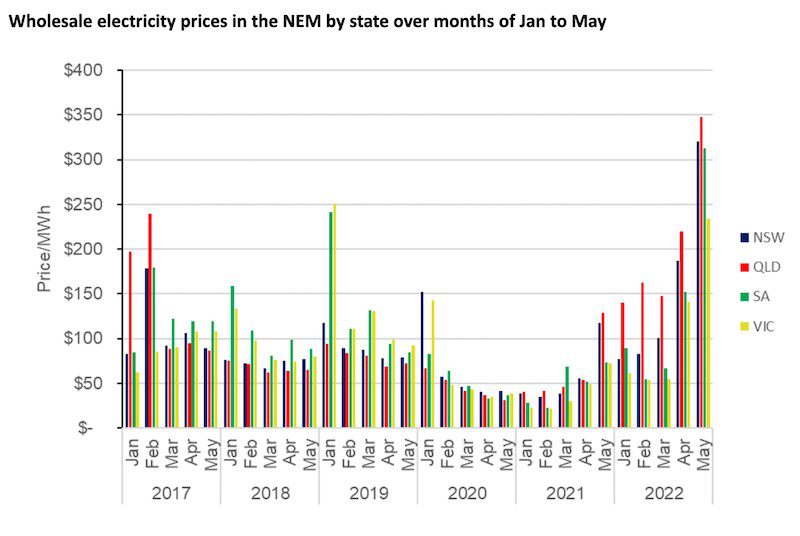
Albanese confronts Trump fallout in looming energy crunch
Australia energy crisis alarms are blaring again as Anthony Albanese steps into a geopolitical minefield: a second Trump presidency rattling Iran policy and throwing energy markets into turbulence just as domestic power bills and reliability fears climb. The stakes are blunt: household pain, industrial competitiveness, and whether Canberra can still count on old alliances when supply chains seize up. Albanese must juggle diplomatic damage control with hard infrastructure choices at home, while investors wonder if the era of cheap, predictable gas is over. The collision of Middle East risk, US unpredictability, and Australia’s slow transition exposes a brutal truth: energy security is now the front line of economic security.
- Trump’s Iran posture revives supply shock fears that hit Australian gas and electricity prices.
- Albanese needs faster grid transition and storage to blunt global volatility.
- Gas exporters face export caps and domestic reservation pressure as prices spike.
- Alliances are being stress-tested; diversification away from single routes is essential.
How a Trump-Iran shock reignites the Australia energy crisis
Donald Trump’s harder line on Iran, including threats on oil exports and maritime enforcement, reopens the choke points that spooked markets in past cycles. For Australia, whose LNG exports are priced off global benchmarks, any tightening of crude or LNG supply lifts domestic reference prices. That flows through to power bills and manufacturing margins. Albanese’s foreign policy team is scrambling to preserve maritime stability while hedging with partners beyond Washington.
Geopolitics meets household bills
Every time Strait of Hormuz anxiety rises, futures markets surge. Australian retailers hedge via contracts indexed to global curves, so the ripple lands on suburban kitchen tables. The lesson is harsh: without more firmed renewables and storage, global shocks turn into local price spikes.
Diplomatic bandwidth is currency
Albanese is using multilateral forums to argue for de-escalation, but credibility depends on delivering at home. If Australia cannot secure its own supply and grid stability, its bargaining position weakens when asking partners for restraint or transit guarantees.
Domestic fault lines exposed by the Australia energy crisis
Canberra’s toolkit is limited: capacity mechanisms, temporary price caps, and export controls on LNG. Each lever carries trade-offs. Pulling them too hard spooks investors; pulling them too softly risks voter anger when bills jump.
Gas reservation: blunt but immediate
Western Australia’s long-standing reservation scheme insulated Perth from previous global spikes. Replicating that nationally could curb east coast prices quickly, but exporters warn it would deter upstream investment needed to prevent shortages. The Albanese government may opt for a hybrid cap-plus-reservation to signal balance.
Grid build-out versus project reality
Transmission projects and firming assets promise relief, yet face delays from planning disputes and supply chain bottlenecks. Without accelerated approvals and local content strategies, promised renewables will not arrive in time to offset a Trump-era supply crunch.
Storage is the real swing vote
Battery and pumped hydro capacity determine how much renewable energy can displace gas during peaks. Policy priority should shift from headline megawatt announcements to delivered megawatt-hours in 2026-2027 when geopolitical risk could be highest.
Market mechanics: why prices move faster than policy
Commodity traders price risk instantly; governments legislate slowly. When Washington signals a tougher Iran stance, forward curves for oil and LNG steepen within hours. Power generators on Australia’s east coast, reliant on gas for peak demand, then reprice bids. The disconnect between real barrels moving and futures expectations means consumers can suffer before a single tanker is stopped.
Contracts, volatility, and the pass-through problem
Retailers buy hedges in quarter-ahead and year-ahead contracts. Volatility forces them to widen margins or exit markets, as seen in prior retailer collapses. Stronger capital requirements and stress testing could keep competition alive when geopolitics turns ugly.
Export terminals as pressure valves
On the east coast, LNG terminals double as domestic suppliers. The government could mandate minimum domestic send-out volumes during stress periods, but that requires clarity on shipping slots and regas capacity to avoid contract disputes.
Strategic moves Albanese can deploy
Energy security demands a portfolio approach. That means more than short-term caps; it requires structural diversification.
1. Fast-track firmed renewables
Prioritize projects with shovel-ready status and grid proximity. Incentivize long-duration storage that can replace gas peakers in shock scenarios.
2. Lock in fuel diversity
Expand diesel and strategic petroleum reserves, and explore floating storage for LNG to buffer against maritime disruption. Diversified fuels buy time when routes close.
3. Harden critical infrastructure
Cyber and physical security of terminals, pipelines, and SCADA systems must rise, given heightened global tensions. A single outage during a geopolitical spike can cascade into blackouts.
4. Reform market signals
Adjust capacity markets to reward availability during stress windows, not just average output. That shifts investment toward assets that matter when geopolitics bites.
Why this matters beyond energy
Energy reliability underpins everything from data centers to food logistics. If Australia cannot shield itself from global shocks, industries will reconsider expansion, and households will lose confidence in the transition. Moreover, alliance politics are at stake: partners expect Australia to be a stable exporter, not a crisis importer.
Insight: Energy policy is now national security policy – and voters will judge leaders on resilience, not rhetoric.
Economic competitiveness on the line
Manufacturers already operate on thin margins. A sustained price spike could accelerate offshoring, undercutting the government’s industrial policy ambitions. Targeted relief tied to efficiency upgrades could keep plants open while speeding electrification.
Climate credibility at risk
Overreliance on gas during price spikes undermines emissions targets. Delivering firmed renewables is the only way to align cost relief with climate pledges.
What to watch in the months ahead
Markets will track three signals: the tone of US-Iran negotiations, Australian regulatory moves on LNG exports, and the actual pace of grid projects hitting milestones. Expect volatility to linger; complacency is the enemy.
Policy triggers
A national reservation decision or a new capacity mechanism could land before summer demand. Either would reshape investment calculus overnight.
Project milestones
Keep an eye on transmission corridor approvals and gigawatt-scale storage announcements. Delays will show up in futures prices long before politicians acknowledge them.
Alliance stress tests
If maritime incidents escalate, watch how quickly Canberra can pivot to alternative supply routes and whether allies prioritize their own reserves over shared stability.
Bottom line
Albanese inherits a fragile moment: a combustible mix of Trump-era unpredictability, Iran tension, and an Australia energy crisis shaped by years of underinvestment. The path out is clear but demanding – accelerate firmed renewables, secure diverse fuel buffers, and modernize market rules to reward resilience. Anything less leaves households and industries exposed to the next geopolitical tremor.
The information provided in this article is for general informational purposes only. While we strive for accuracy, we make no guarantees about the completeness or reliability of the content. Always verify important information through official or multiple sources before making decisions.