Argentina Fast Tracks Glacier Mining and Ignites a Climate Showdown
Argentina just approved an Argentina glacier mining bill that redefines what a country will sacrifice for short-term cashflow, and the fallout is immediate: protests from the Andes to Buenos Aires, sovereign risk chatter on every trading desk, and a fresh test of whether resource states can resist the quick fix of digging into protected ice. This is not another procedural reform – it is a signal that President Javier Milei is willing to gamble glacier-fed water security, indigenous rights, and climate credibility to keep his austerity-fueled recovery alive. The stakes: who controls the Andes, who drinks the meltwater, and how much ecological debt a nation can stomach before investors get spooked.
- Congress greenlit glacier proximity mining, overturning a decade of hard environmental limits.
- Water security and hydropower reliability now hinge on how strictly
buffer zonesare enforced. - International lenders and mining giants gain leverage, while local communities brace for contamination risk.
- Protests signal a broader fight over Milei’s pro-market shock therapy and its ecological price.
Argentina glacier mining bill rewrites environmental red lines
The new legislation effectively neutralizes the 2010 Glacier Protection Law by allowing exploration near periglacial zones if companies submit a streamlined ESIA and post financial guarantees. That sounds procedural, but the shift is seismic: glaciers are no longer treated as untouchable hydrological infrastructure. Instead, they are framed as negotiable assets that can be worked around with mitigation plans and offset payments. Investors get clarity, but environmental scientists lose their veto power. The bill also centralizes approvals in Buenos Aires, sidelining provincial agencies that historically slowed speculative projects in San Juan, Catamarca, and Santa Cruz.
“This bill treats glaciers as collateral damage, assuming remediation can outpace melt,” says one Patagonia-based glaciologist who has monitored Andean ice retreat for two decades.
Supporters insist the law keeps core ice bodies off-limits while unlocking copper, gold, and lithium near their edges. Critics counter that glacier-adjacent blasting and tailings disposal will accelerate melt and contaminate downstream basins that feed irrigation and hydropower. The ambiguity around what counts as a “glacier body” versus a “seasonal snowfield” leaves ample room for permissive readings.
Argentina glacier mining bill collides with water security math
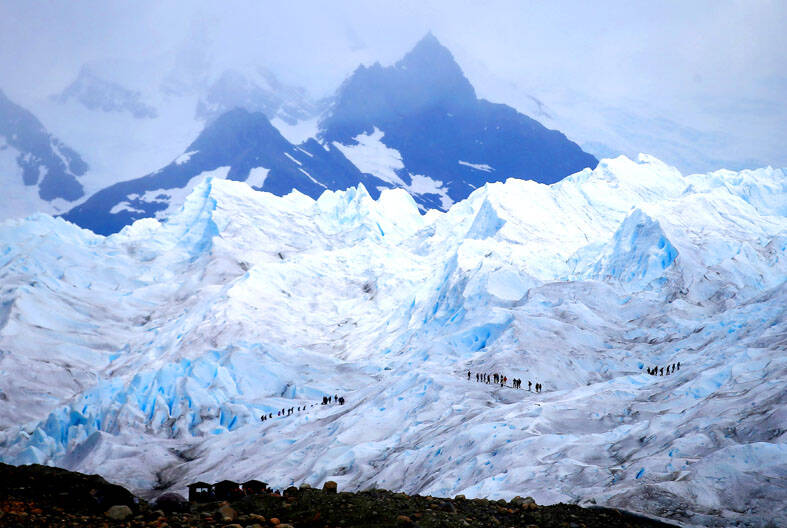
Glaciers are Argentina’s slow-release water bank. As the Andes warms, meltwater stabilizes river flow for crops and the national grid. The bill gambles that hydrological models can absorb localized disturbance while the treasury banks new royalties. Yet every drill pad raises turbidity and heavy metal risk for valleys downstream. Hydropower operators in Mendoza and Neuquen privately warn that silt loads can slash turbine efficiency, and irrigation cooperatives fear the cost of expanded filtration will land on farmers already squeezed by inflation.
Even the bill’s financial safeguards rely on optimistic enforcement. Companies must fund closure bonds, but the amounts are pegged to self-reported risk assessments. Without independent audits, guarantees could undershoot real remediation costs by orders of magnitude, leaving provinces with stranded tailings and poisoned aquifers if projects go bust.
Political calculus: Milei trades green capital for investor goodwill
President Milei framed the move as a sovereignty flex against what he calls “environmental bureaucracy capture.” In reality, the reform is a bargaining chip for hard-currency inflows. The administration wants to show the IMF and bondholders that Argentina can supercharge exports to stabilize the peso. Mining firms from Canada, China, and Australia have already lined up meetings to fast-track exploration licenses. By loosening rules, Milei signals that the resource sector can bypass the regulatory molasses that stalled projects like Pascua-Lama for a decade.
“If you want dollars, you need ore,” a senior economic adviser quipped, framing the bill as a pragmatic exchange between ecological risk and macro stability.
The political risk is that the move unites normally fragmented opposition blocs: environmental NGOs, indigenous communities, Peronist governors, and urban middle-class voters worried about drinking water quality. Street protests have already blocked access roads in Jachal and Calingasta. If these flashpoints multiply, investor perception could flip from “predictable reform” to “operational risk,” raising project premiums.
Market signal: resource boom or headline risk premium
The bill is crafted to look investor-friendly: clear timelines for impact statements, reduced duplicative permits, and a single national contact point. However, global markets have seen this movie before. A rapid deregulation phase often precedes social conflict that delays production. Share prices of mid-cap miners may pop on announcement, but project finance bankers will price in community consent costs and litigation buffers. The net effect could be slower than Milei hopes, especially if export taxes rise later to balance the fiscal books.
There is also the ESG dimension. Funds with strict mandates could blacklist operators entering glacier-adjacent concessions, shrinking the pool of cheap capital. That pushes firms toward higher-cost funding or private equity, which often demands aggressive timelines that further antagonize local communities. The bill, meant to invite capital, could narrow it.
Environmental science vs regulatory optimism
Environmental agencies previously used the inventory rule to halt works near any mapped ice. The new law redefines eligible zones based on “operational thresholds,” allowing regulators to weigh economic benefit against environmental risk. That economic balancing opens the door for subjective decisions that lean toward approval. Scientists warn that glacier dynamics are non-linear: small disturbances can trigger outsized melt acceleration. Once sediment blankets ice surfaces, albedo drops and melt rates spike, even without direct blasting.
The law promises modern monitoring with remote sensing and quarterly water sampling. But budget cuts have already hit the national glacier institute, raising doubts about data quality. If third-party monitors are hired by miners, perceived conflicts could erode trust. Without credible oversight, mitigation plans risk becoming paperwork rather than protective action.
What enforcement could look like on the ground
In practice, enforcement hinges on inspectors reaching remote high-altitude camps. Winter access is limited, and helicopter hours are expensive. Provinces may rely on company-provided logistics, undermining independence. Civil society proposes open data dashboards where turbidity, pH, and heavy metal readings auto-publish. This transparency could deter corner-cutting, but the bill makes such dashboards optional. If regulators embrace them, Argentina could set a regional benchmark; if not, the reform could devolve into trust-me assurances.
Community rights and the social license gap
Indigenous communities in the Andes depend on glacier-fed streams for livestock and ceremony. The bill requires consultation but keeps timelines tight, converting dialogue into a checkbox. Without meaningful consent, companies risk roadblocks and international complaints that can halt shipments. Social license is no longer a moral add-on – it is an operational prerequisite. When water is at stake, grievances escalate fast; the Esquel uprising of the early 2000s remains a case study in how quickly mining optimism can evaporate.
“You cannot outsource trust,” notes a community mediator who has navigated mining conflicts for two decades. “If Buenos Aires signs permits that locals never endorsed, roads will close.”
The administration bets that cash transfers, local hiring quotas, and infrastructure pledges will defuse anger. That may work in districts craving jobs, but it rarely satisfies water concerns. Farmers often value reliable flow more than one-off payments. If meltwater turns murky, the political backlash will dwarf any royalty gains.
Hydropower and agriculture: the quiet stakeholders
Hydropower accounts for a meaningful slice of Argentina’s grid stability. Silt intrusion forces costly maintenance and downtime. Agricultural exporters rely on consistent irrigation to meet contracts. Neither sector lobbies with the noise of street protesters, but both hold economic clout. If they sense elevated risk, they can pressure regulators or sue for stricter interpretations of the bill. Their behind-the-scenes influence could either moderate implementation or, if ignored, amplify the perception of policy recklessness.
Regional ripple effects
Argentina’s pivot will echo across the Andes. Chile, Peru, and Bolivia face similar tensions between mineral wealth and glacial melt. If Argentina secures fast approvals and visible royalties without major spills, neighbors could copy the model. If mishaps hit headlines, the bill will become a cautionary tale cited by environmental courts from Santiago to Lima. Multinationals may also adjust their risk models, demanding higher returns to offset reputational exposure in glacier-linked projects worldwide.
Meanwhile, climate diplomacy takes a hit. Argentina has pitched itself as a responsible steward in global climate talks. Diluting glacier safeguards weakens that narrative just as the country seeks green finance. Losing access to concessional climate funds would be an ironic price for chasing mining dollars.
Why this matters now
The timing is no accident. Milei needs quick wins to sustain his austerity agenda. Mining offers a headline-friendly path to dollars without raising taxes. Yet the trade-off is long-lived: once a glacier is destabilized, there is no reset button. Water systems absorb damage slowly and reveal it only when it is expensive to fix. Investors and citizens alike must decide whether near-term revenue justifies a structural downgrade to national resilience.
Argentina stands at a fork: leverage its mineral bounty while tightening ecological guardrails, or rush approvals and hope technology outruns melt. The Argentina glacier mining bill captures that tension in black-and-white statutory text. The next year of enforcement will show whether the country earns investor trust or inherits an environmental liability that no bond spread can price away.
The information provided in this article is for general informational purposes only. While we strive for accuracy, we make no guarantees about the completeness or reliability of the content. Always verify important information through official or multiple sources before making decisions.