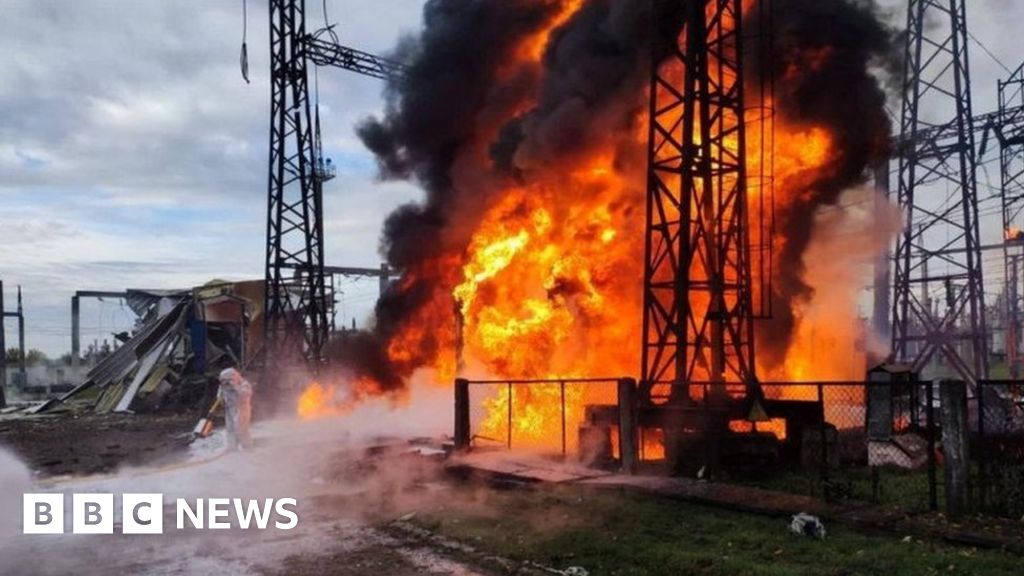
Asia Fuel Crisis upends everyday workforces

Asia’s unfolding Asia fuel crisis is no longer an abstract geopolitical headline; it is a daily cash-flow emergency for delivery riders, factory operators, and port crews who keep the region’s economies moving. The war in Iran has jolted tanker routes, spiked Brent crude benchmarks, and exposed how thin the margin is between affordable mobility and economic paralysis. Workers who depend on scooters or diesel trucks are rationing shifts, while governments scramble to stretch subsidies and diversify sourcing. This isn’t just about higher pump prices – it is a stress test for industrial policy, energy security, and the social contract around work.
- Fuel shortages are raising commute costs and choking logistics for small businesses across Asia.
- Government subsidies and stockpile releases are buying time but risk fiscal strain if prices stay high.
- Manufacturers are revising shift patterns and energy mixes to hedge against volatile
LNGand oil inputs. - Future resilience depends on rerouting trade lanes, accelerating electrification, and smarter demand management.
Asia Fuel Crisis reshapes daily work
The strike on Iranian export terminals turned a simmering security risk into an immediate supply squeeze. Refiners across South and Southeast Asia now compete for rerouted cargoes, bidding up premiums over Dubai crude. The first shock hit gig workers who rely on two-stroke motorcycles: a 20 percent jump in petrol costs turned profitable routes into loss-makers. Bus cooperatives in Manila and Jakarta trimmed schedules, pushing commuters onto overcrowded trains. Small factories that run captive diesel generators faced a brutal choice: reduce output or pass costs to customers already battling inflation.
Employers are experimenting with unconventional fixes. Textile hubs in Bangladesh shifted to staggered shifts to avoid peak power rates tied to oil-linked spot LNG. Logistics startups in Vietnam pooled last-mile fleets, sharing route data to save liters. Yet these hacks only soften the blow. The core vulnerability is structural – a heavy dependence on imported fuel in economies where wages leave little buffer for sudden price swings.
Supply chain fractures and the cost cascade
Refinery throughput and freight premiums
With Iranian exports constrained, Asian refiners turned to West African grades. The longer voyage time pushes freight rates higher, folding into pump prices. Japanese refiners drew down strategic inventories, while smaller players in Sri Lanka and Cambodia faced credit limits that restricted purchases. Freight companies are adding a Bunker Adjustment Factor to contracts, inflating shipping costs for everything from rice to microchips.
“When diesel spot prices jump 30 percent in two weeks, every kilometer matters,” notes an energy analyst in Singapore. “Routes once considered efficient are now too expensive to run without surcharge.”
Factory floors under compression
Electronics assemblers in Malaysia reported a 12 percent rise in operating costs as backup generators ran longer amid grid instability. Cement producers in India shifted some kilns to petcoke, but that fuel saw parallel price spikes. Each substitution is a trade-off: lower reliability or higher emissions. CFOs are repricing contracts quarterly instead of annually to keep up with volatility, unsettling downstream buyers.
Retail and food inflation
Cold-chain operators hauling seafood across Thailand and Indonesia face higher refrigeration and transit costs. Supermarkets are compressing margins rather than risk losing price-sensitive shoppers. Street vendors, often unbanked, pass every extra rupee of LPG cost onto noodles or tea, showing how the crisis scales down to micro-enterprises.
Policy triage: subsidies, stockpiles, and rationing
Short-term cushioning
Governments are deploying familiar playbooks: excise tax cuts, limited rationing, and strategic reserve releases. India reduced diesel levies temporarily, while the Philippines expanded cash transfers to transport cooperatives. These moves slow the immediate pain but widen fiscal deficits. If OPEC+ maintains restrained output, these short-term levers risk becoming expensive habits.
Currency pressure and import bills
For economies with weaker currencies, every dollar rise in oil prices magnifies import costs. Central banks face a policy dilemma: defend the currency with higher rates, which cools growth, or tolerate depreciation that further inflates fuel imports. Either path feeds back into worker livelihoods via slower hiring or higher consumer prices.
Rationing risks
Some provinces in Pakistan tested fuel rationing by vehicle class, prioritizing freight over private cars. While it preserved essential flows, it also sparked informal markets where truckers sold portions of their allocations. Rationing without strong enforcement undermines trust and distorts incentives.
Why this matters for workers and employers
The Asia fuel crisis amplifies existing inequalities. Gig workers lack bargaining power to demand fuel stipends. Factory staff face shift reductions that cut hourly wages. Meanwhile, large multinationals can hedge with futures contracts or shift production to lower-cost sites. The region risks a two-speed recovery where big balance sheets weather volatility while micro-enterprises buckle.
Employers focused on retention are offering fuel allowances or experimenting with shuttle services. Some ride-hailing platforms introduced temporary bonuses per completed trip to offset gasoline spikes, but those incentives vary by city and can vanish overnight. Labor groups are pushing for index-based pay that adjusts to fuel prices, arguing that mobility is now as core to employment as base salary.
Paths to resilience
Electrification and modal shifts
The crisis accelerates investment in electric two-wheelers and buses. Vietnam and India see a surge in EV leases for delivery fleets, supported by battery-swapping networks that bypass fuel queues. Urban planners are also reexamining bus rapid transit expansions to absorb commuters avoiding high petrol costs. The catch: grid reliability and charging infrastructure must scale fast to handle the load without new bottlenecks.
Alternative fuels and demand management
Bioethanol blending mandates in the Philippines and Thailand are moving from pilot to mainstream, trimming dependence on imported diesel. Airlines are fast-tracking sustainable aviation fuel trials to hedge against kerosene volatility. Companies are also using software-driven route optimization and idle-time reduction to squeeze efficiency gains; every saved liter now shows up in the P&L.
Regional coordination
ASEAN energy ministers revived discussions on a joint petroleum reserve and shared pipeline infrastructure. A pooled strategic stock could smooth shocks, but governance and cost-sharing remain unresolved. Still, the crisis is pushing fragmented markets toward greater coordination, recognizing that isolated responses are too slow for a region as interconnected as Asia.
Future implications if conflict persists
If the Iran conflict drags on, expect a reordering of trade lanes. East Asia may lock in more long-term contracts with Latin American producers, rerouting tankers through the Pacific rather than the Strait of Hormuz. Insurance premiums on Middle East cargoes could bake in permanently higher delivered costs. For workers, the shift may mean persistent fuel surcharges on rides, higher grocery bills, and employers that prioritize automation to cut variable transport costs.
“This is the decade when energy security becomes a worker-rights issue,” argues a labor economist in Seoul. “Affordable mobility underpins participation in the modern economy.”
Investors will scrutinize companies’ exposure to volatile fuel inputs. Ratings agencies are already factoring fuel hedging strategies into credit assessments of airlines, shippers, and logistics firms. Governments that move fastest on electrification, diversified sourcing, and public transit will cushion their workforces from future shocks.
Actionable playbook for today
For fleet operators, immediate steps include consolidating routes, deploying telematics to monitor driver behavior, and renegotiating delivery SLAs with customers to reflect fuel clauses. Manufacturers should map energy intensity across product lines and prioritize output that yields higher margins per liter of diesel consumed. Retailers can pilot dynamic pricing that adjusts to fuel surcharges while maintaining transparency to avoid consumer backlash.
For policymakers, coupling targeted fuel aid with investments in charging infrastructure and mass transit offers a dual benefit: relief now and resilience later. Transparent communication on stock levels and rationing rules can also dampen panic buying that worsens shortages. Above all, integrating labor voices into energy planning will ensure that the transition away from volatile hydrocarbons does not leave frontline workers behind.
The Iran-triggered supply shock is a warning shot. Asia’s economic engine runs on the ability of ordinary people to move, deliver, and manufacture. Securing that mobility – through diversified fuels, smarter logistics, and inclusive policy – is the surest way to prevent the next crisis from turning into a long-term drag on growth and livelihoods.
The information provided in this article is for general informational purposes only. While we strive for accuracy, we make no guarantees about the completeness or reliability of the content. Always verify important information through official or multiple sources before making decisions.