Australia Budget Battle Reshapes Politics
Australia Budget Battle Reshapes Politics
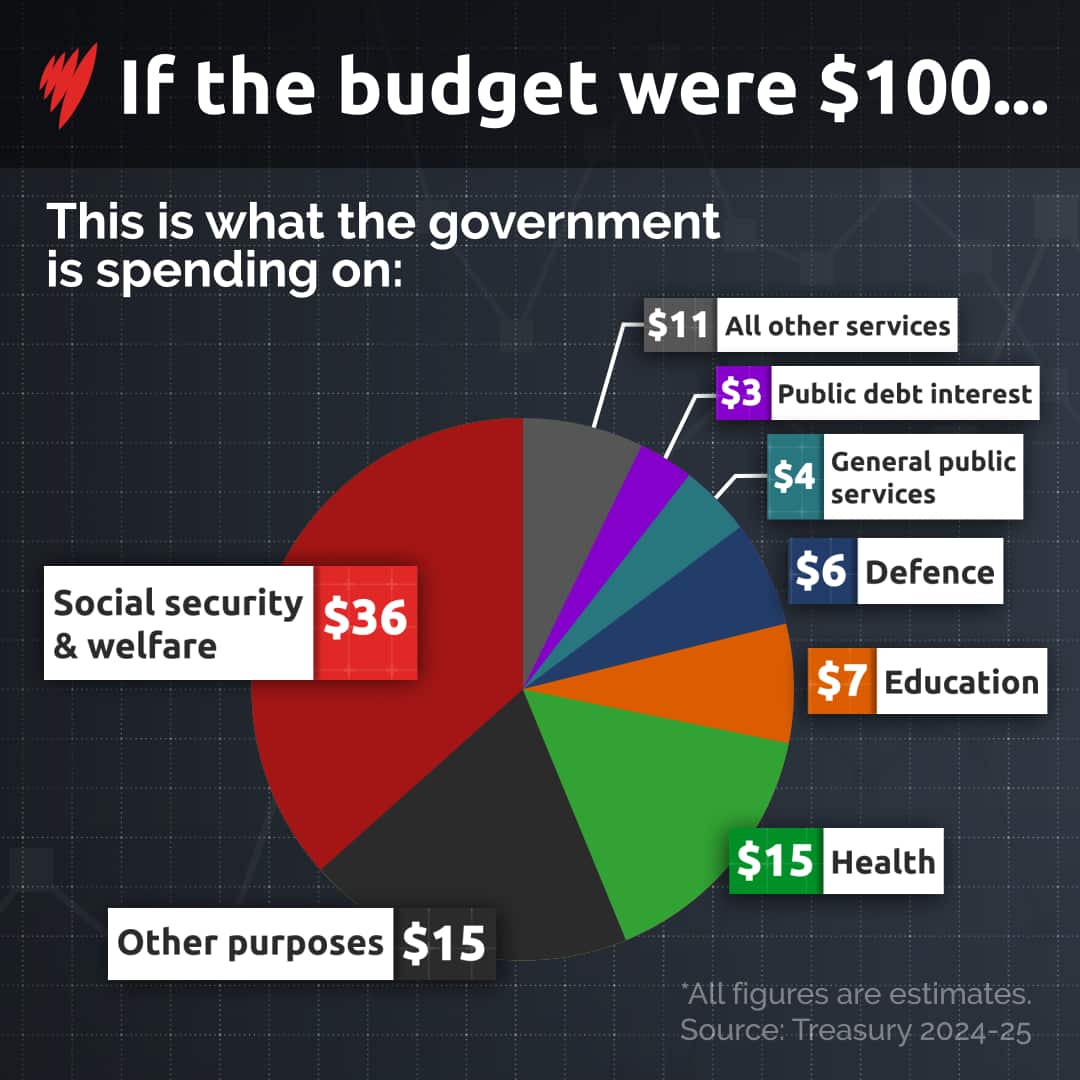
Australia budget politics has entered the kind of phase that separates routine parliamentary noise from a real national inflection point. When households are squeezed by rent, energy bills, groceries, and mortgage pressure, every budget promise becomes a test of credibility. For the government, the challenge is brutal: offer cost-of-living relief without looking reckless on deficits. For the opposition, the trap is just as dangerous: attack spending too hard and risk sounding detached from voters who need immediate help. Add in a byelection, coalition tensions, and the growing pressure of populist forces on the right, and what looks like a standard political day starts to resemble something bigger – a contest over who gets to define economic seriousness in Australia next.
- Australia budget politics is being driven by a clash between cost-of-living relief and deficit discipline.
- The government is trying to prove targeted support can coexist with fiscal restraint.
- The opposition faces a messaging problem: criticize spending, but avoid appearing indifferent to household pain.
- Coalition strain and byelection dynamics are exposing broader instability on the conservative side.
- What happens now could shape the next phase of voter trust ahead of future national contests.
Why Australia Budget Politics Feels Different This Time
Budgets always carry political weight, but this moment is unusually loaded. Voters are no longer grading governments on abstract macroeconomic language alone. They are measuring every decision against lived experience. If inflation remains sticky, if wages lag, if housing costs remain punishing, then even technically sound budget management can feel politically irrelevant.
That is the central pressure point in Australia budget politics right now. Treasurer-style messaging about discipline, responsible allocations, and measured intervention only works if people feel some relief in their weekly cash flow. Otherwise, numbers that look prudent on paper become easy targets in the public arena.
The government appears to understand this. The pitch is not simply that it can spend more. The pitch is that it can spend more carefully. That distinction matters because modern budget politics is less about raw spending totals and more about whether support looks targeted, defensible, and economically literate.
In a cost-of-living crisis, the winning political message is rarely “spend less” or “spend more.” It is “spend smart, and prove it fast.”
The Deep Dive Into the Government’s Balancing Act
Cost-of-living relief must feel immediate
Governments do not get much credit for assistance that arrives too late, is too complicated, or gets lost in bureaucratic layering. If budget measures are framed as relief, voters expect them to affect bills they actually pay: electricity, childcare, medicines, rent, transport, and tax obligations.
The strategic challenge is that direct relief can also trigger criticism from economists and opponents if it appears inflationary. That is why governments increasingly talk in terms like targeted support, temporary measures, and household resilience. These phrases are not accidental. They are designed to signal that help is being delivered without throwing fiscal anchors overboard.
Deficit politics still matters
For all the political emphasis on relief, deficits remain a live vulnerability. Oppositions know that debt and deficit narratives can cut through when the public starts worrying that short-term help might become long-term instability. Even where voters support assistance, they also want reassurance that someone is still minding the ledger.
That leaves the government walking a narrow line. Spend too cautiously, and it risks looking timid. Spend too aggressively, and it invites attacks on economic competence. The sweet spot is a budget that can be sold as compassionate to voters and disciplined to markets at the same time.
That is a difficult communications task because those two audiences often listen for different signals. Households want proof of relief. Financial observers want proof of restraint. Political success depends on making both sides hear what they need without creating contradictions.
Language is policy now
One of the most overlooked truths in modern fiscal politics is that framing itself has become part of governing. Terms like responsible relief, targeted assistance, and economic security are not just slogans. They are attempts to compress a complex tradeoff into a message voters can carry into the polling booth.
That matters because many budget measures are technically dense. Most voters do not parse line items, offsets, or multi-year projections. They absorb a broader impression: is this government helping people like me, and does it look like it knows what it is doing?
The Opposition’s Harder-Than-It-Looks Opening
On paper, budget season should offer easy attack lines for any opposition. Rising deficits, persistent cost pressure, and voter anxiety are fertile ground. But this is where politics gets less intuitive. If the opposition leans too heavily into austerity-style criticism, it can sound as though it has no answer for families under strain. If it softens too much, it risks blurring its point of difference.
That is the trap now facing the conservative side of Australia budget politics. The traditional attack is that Labor cannot spend wisely and will eventually saddle the country with bigger structural problems. The complication is that many voters are no longer persuaded by criticism alone. They want alternatives that feel both serious and humane.
This is especially difficult when the opposition is also managing internal ideological pressure. Mainstream fiscal conservatism does not always align neatly with populist demands for sharper cultural messaging or more aggressive anti-establishment positioning. When those tensions are visible, budget criticism can start to look fragmented instead of disciplined.
Oppositions lose budget fights when they mistake public frustration for automatic support. Voters may be angry, but they still expect a plan.
What the Byelection and Coalition Tension Really Signal
Local contests now carry national meaning
Byelections used to be treated as useful but limited snapshots. Not anymore. In a fragmented political environment, every contest is interpreted as a live stress test of national momentum. A shift in vote share is no longer just a local story. It becomes evidence for broader arguments about leadership, message discipline, and party brand strength.
That is why the surrounding debate matters. If a coalition partner appears weak, if preference flows become controversial, or if insurgent right-wing forces gain oxygen, the implications stretch beyond a single seat. They raise bigger questions about whether the conservative bloc can still operate as a coherent electoral machine.
The right is not moving in one direction
A key feature of the current landscape is that conservative politics is under pressure from multiple angles at once. One part of the electorate wants conventional economic management and institutional credibility. Another wants sharper anti-establishment energy. Those instincts do not always fit together comfortably.
That tension can become acute around budgets. Fiscal restraint appeals to one audience. Symbolic confrontation and outsider messaging appeal to another. Parties trying to satisfy both often end up sounding inconsistent.
For Labor, that fragmentation on the right is an opportunity, but not a guarantee. Governments only benefit from opposition disunity if they maintain their own coherence. The moment budget messaging starts to look confused or over-engineered, any advantage can narrow quickly.
Why This Matters Beyond the Daily Headlines
The deeper story is not just about one budget cycle. It is about the future grammar of democratic trust. Voters are increasingly skeptical of political systems that seem fluent in data but weak on delivery. They are willing to hear arguments about deficits and fiscal settings, but only if those arguments connect to a tangible path through everyday pressure.
That changes how budgets are judged. Success is no longer measured only by whether economists approve or whether parliamentary talking points land cleanly. It is measured by whether people feel the state is responsive, competent, and honest about tradeoffs.
This is where Australia budget politics becomes more than a Canberra storyline. It becomes a referendum on whether mainstream parties can still govern in a period where voters demand both empathy and discipline.
Pro Tips for Reading the Next Phase of the Budget Fight
- Watch the targeting: Measures framed around specific household costs are usually more politically resilient than broad, vague relief.
- Listen for offset language: If ministers repeatedly mention savings, efficiency, or reprioritization, they are trying to pre-empt deficit attacks.
- Track opposition alternatives: Criticism matters less than whether a credible substitute is put on the table.
- Pay attention to coalition unity: Mixed messages from conservative figures can be as damaging as any single policy disagreement.
- Follow voter-facing simplicity: The side with the clearest plain-English explanation often wins the public argument.
The Strategic Outlook for Australia Budget Politics
The next phase will likely hinge on execution, not just announcement. Budget politics often peaks in intensity at the moment of release, but real political value is created later. Can the government show that support reaches people without obvious waste? Can it defend its fiscal credibility under sustained attack? Can the opposition sharpen its critique without drifting into negativity that repels swing voters?
These are not small questions. They touch the core of electoral durability. Governments survive difficult economic periods when voters believe they are at least steering with purpose. Oppositions break through when they look not merely critical, but ready.
If current tensions continue, expect more emphasis on household relief, more argument over structural spending, and more scrutiny of conservative cohesion. Also expect rhetoric to become more precise. Budget battles are no longer won through broad ideological branding alone. They are won through details that sound practical enough to trust.
The Bottom Line
Australia is not just debating a budget. It is debating the terms of economic legitimacy. The government wants to prove relief can be targeted and responsible. The opposition wants to prove concern for deficits still resonates in a cost-stressed electorate. Smaller contests and coalition tensions are amplifying that clash, turning routine politics into something closer to a systems test.
For readers trying to make sense of the noise, the signal is straightforward: the side that best combines material relief, fiscal credibility, and message discipline will define the next chapter of Australia budget politics. Right now, that contest is very much alive.
The information provided in this article is for general informational purposes only. While we strive for accuracy, we make no guarantees about the completeness or reliability of the content. Always verify important information through official or multiple sources before making decisions.