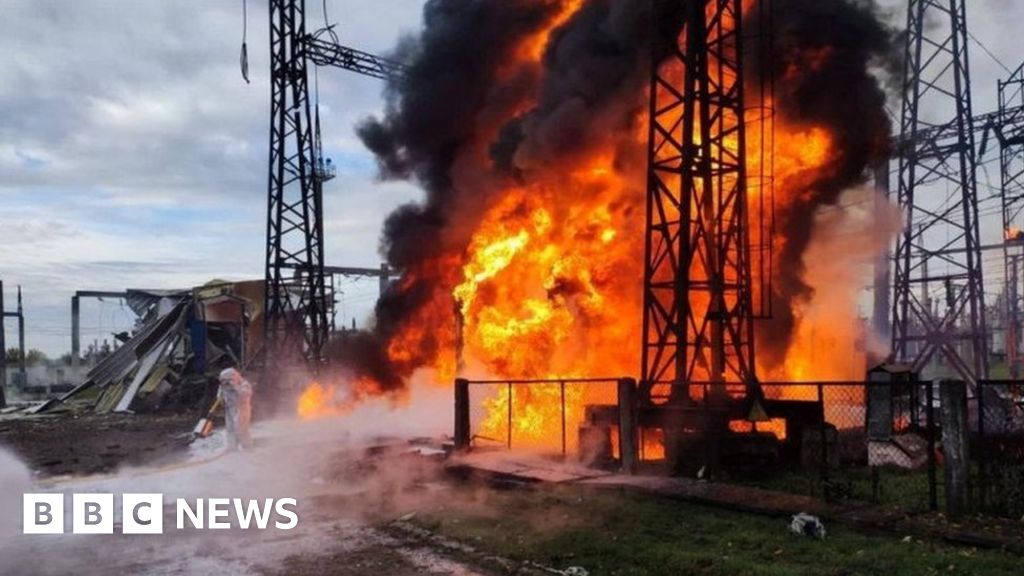
Autonomous Drones Reshape Warfare
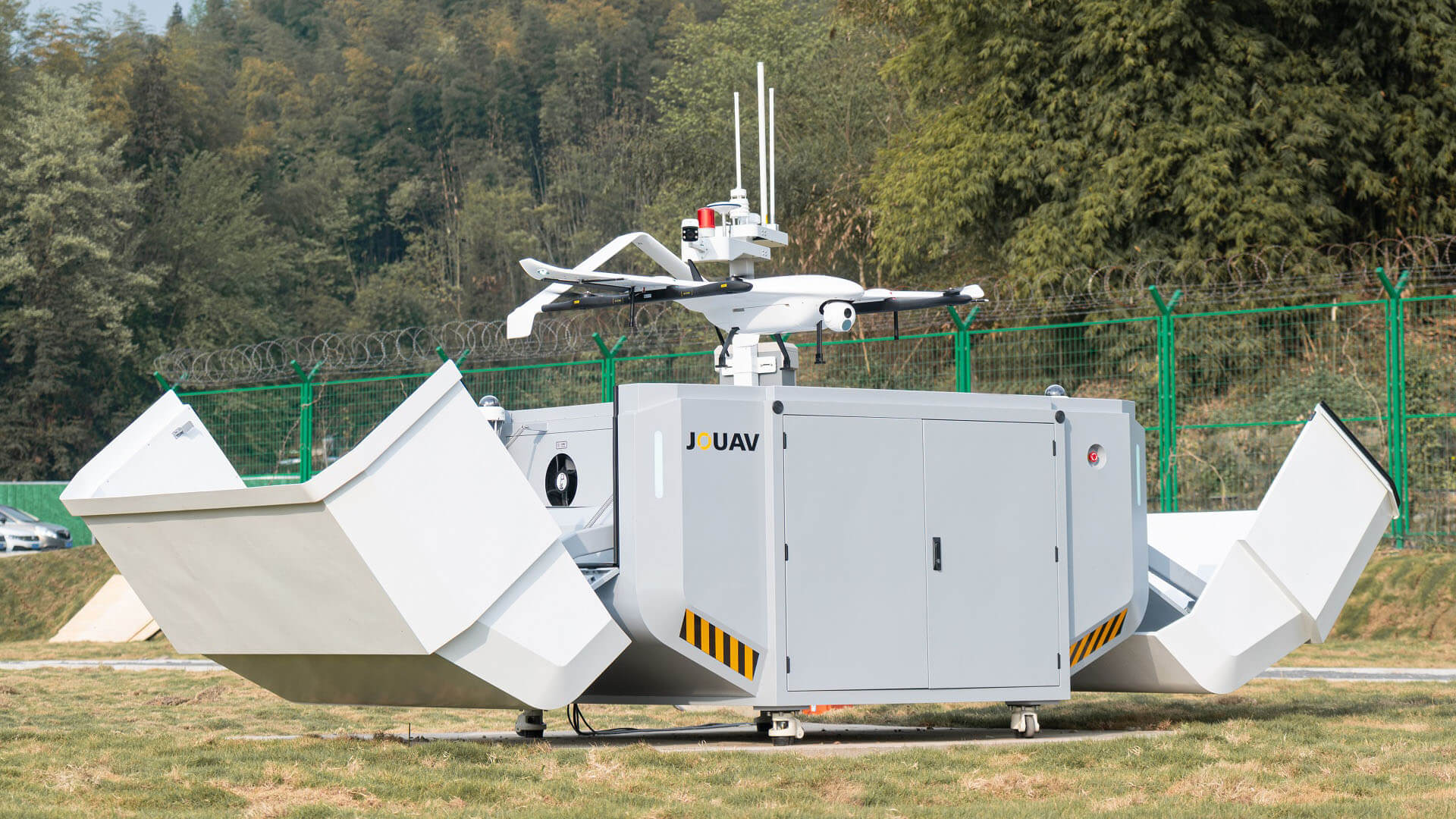
Autonomous Drones Reshape Warfare
Autonomous drones are no longer a distant military fantasy. They are already changing how nations scout, strike, and defend, and the pace of that shift is unsettling. Cheap, fast, and increasingly intelligent systems are compressing the gap between surveillance and attack, forcing defense planners to rethink everything from battlefield tactics to procurement cycles. For militaries built around large platforms and slow decision chains, this is a brutal wake-up call. The old logic of superiority – bigger jets, heavier armor, deeper budgets – is colliding with a new reality where software, sensors, and swarm coordination can deliver outsized power at a fraction of the cost. That makes autonomous drones not just a weapons story, but a strategic one.
- Autonomous drones are lowering the cost of surveillance and strike missions.
- Military advantage is shifting from hardware alone to software, networking, and AI.
- Defense forces must adapt procurement, training, and air-defense planning.
- The biggest risks are escalation, misidentification, and weak human oversight.
- Future warfare may be defined by swarms, electronic warfare, and rapid iteration.
Why autonomous drones matter now
The rise of autonomous drones is changing the economics of conflict. Traditional military hardware is expensive to buy, slow to deploy, and even slower to replace. By contrast, drones can be produced in volume, modified quickly, and sent into dangerous airspace without risking pilots. That alone makes them attractive, but the real disruption is autonomy. Once a drone can navigate, identify patterns, and cooperate with other systems with limited human input, it stops being a simple tool and becomes part of a networked combat system.
This matters because warfare is increasingly about speed. The side that can spot a target, process data, and act first gains the edge. Autonomous drones compress that timeline. They can watch for hours, relay intelligence, adjust routes, and in some cases execute missions faster than human teams can respond. For commanders, that is power. For everyone else, it is a warning.
Autonomy does not eliminate human judgment, but it does change where judgment happens. The decisive moment moves from the cockpit to the software stack.
The new battlefield economics of autonomous drones
The most important thing to understand about autonomous drones is that they are not simply “smaller aircraft.” They represent a new cost structure. A single high-end fighter jet can cost tens of millions of dollars before training, maintenance, and logistics are counted. A drone, especially a disposable or semi-disposable system, can be dramatically cheaper. That asymmetry is reshaping procurement priorities across the defense sector.
For militaries under pressure, affordability is not a side benefit. It is the whole game. If a low-cost drone can force an adversary to spend a missile that costs far more to intercept, the economics already favor the attacker. This is why air-defense systems are being tested not just by stealth aircraft, but by mass drone incursions and loitering munitions. In practical terms, autonomous drones are turning airspace into a contest of attrition, not just precision.
Software is the real weapons platform
The hardware still matters, but the moat is increasingly in code. Navigation algorithms, sensor fusion, target recognition, and swarm logic are becoming the defining capabilities. A drone with modest hardware but smart autonomy can outperform a more expensive platform that lacks software sophistication. That is why defense contractors, startups, and state-backed labs are all racing to improve onboard processing and resilient communications.
It also explains why updates matter. The moment a system can be improved through software patches, the cycle of military advantage accelerates. Better object recognition, more robust GPS denial behavior, and improved coordination can arrive much faster than a new airframe. For defense leaders, this is both exciting and destabilizing.
Autonomous drones and the changing logic of deterrence
Deterrence has always depended on clear costs and credible retaliation. Autonomous drones complicate both. They can be used in deniable ways, launched in large numbers, or programmed for different levels of engagement. That ambiguity makes it harder for governments to signal intent or respond proportionally. If a swarm crosses a border, was it reconnaissance, harassment, or the first phase of an attack?
That uncertainty raises the risk of escalation. Misreading a drone incursion could trigger a bigger response than intended. It also creates pressure on political leaders to respond quickly, sometimes before there is complete information. In modern conflict, speed is tactical. In diplomacy, speed can be dangerous.
When the platform is cheap and the response is expensive, deterrence gets inverted. The defender is forced into a reactive posture.
Why air defense is under strain
Conventional air defense was designed for aircraft, missiles, and a limited number of targets. Autonomous drones stress those assumptions. They can fly low, move unpredictably, and arrive in numbers that overwhelm radar coverage or interceptor inventory. Even when defenses work, they may be too costly to use repeatedly against low-value targets.
This is pushing militaries toward layered responses: jamming, directed energy, kinetic interceptors, and rapid sensor networks. The future of air defense is likely to be less about one perfect shield and more about a stack of tools that can identify, disrupt, and destroy drones at different ranges.
What militaries need to do next
The policy response to autonomous drones cannot be cosmetic. It has to be structural. Defense ministries need to rethink acquisition, training, and command-and-control from the ground up. That includes faster procurement pathways, more frequent field testing, and closer partnerships with commercial robotics and AI firms.
- Modernize procurement so drones and counter-drone systems can be bought and updated quickly.
- Train for electronic warfare because jamming, spoofing, and signal disruption are now central threats.
- Invest in layered defense with sensors, interceptors, and passive protection.
- Build human oversight rules for engagement decisions, especially in uncertain environments.
- Stress-test communications so units can operate when GPS or datalinks fail.
One practical lesson is that autonomy should be treated as a system, not a feature. A drone that works brilliantly in lab conditions can fail in contested airspace if it cannot handle interference, degraded maps, or partial sensor loss. Military planners need to assume adversaries will adapt quickly, because they will.
Pro tip for defense strategists
If a platform depends on constant connectivity, treat it as vulnerable by default. Build fallback modes, offline behavior, and clear rules for aborting missions when conditions are ambiguous. In a contested environment, robustness matters more than elegance.
The ethics and accountability problem
Autonomous drones raise one of the oldest military questions in a new form: who is responsible when a machine makes a lethal mistake? Supporters argue that autonomy can reduce human error, improve precision, and lower risk to friendly forces. Critics counter that faster machine decision-making can make violence easier to scale and harder to control. Both views contain truth.
The real issue is accountability. If an autonomous drone misidentifies a target, the chain of responsibility can become murky. Was it the operator, the commander, the developer, the manufacturer, or the data set? Those questions are not abstract. They will define how states justify the use of autonomy, how allies share intelligence, and how courts and oversight bodies evaluate military conduct.
There is also the political reality that systems perceived as “hands-off” may become easier to deploy. That is dangerous. Lowering the cost of action can lower the threshold for conflict. Technology does not automatically make war cleaner. Sometimes it just makes it easier to start.
What comes after autonomous drones
The next phase is likely to be swarm warfare: large groups of coordinated drones acting as a distributed system. Swarms can overwhelm defenses, mask individual losses, and adapt on the fly. They also force a shift in military thinking from platform-centric design to network-centric resilience. The question is no longer whether one drone can succeed. It is whether a system can survive when dozens are operating at once.
We should also expect tighter integration between drones, satellites, ground sensors, and AI-assisted command centers. The battlefield will increasingly look like a data problem. Whoever can collect, clean, and act on the best information fastest will hold the advantage. That is why investment is flowing not just into aircraft, but into software architecture, edge computing, and electronic countermeasures.
The strategic implication is stark: autonomous drones are forcing every major military to move faster than its own bureaucracy would prefer. That is uncomfortable, but necessary. The winners of the next era of warfare will not simply own the best hardware. They will be the ones that can learn, update, and adapt faster than the enemy can counter.
The bottom line on autonomous drones
Autonomous drones are rewriting the rules of power. They are cheaper than traditional weapons, faster to deploy, and increasingly capable of operating with limited human input. That combination is transforming tactics, procurement, and deterrence at the same time. The result is a battlefield that is more distributed, more ambiguous, and potentially more unstable.
For militaries, the challenge is not whether to adopt autonomy. It is how to do it without losing control, accountability, or strategic restraint. For policymakers, the challenge is bigger: build rules and safeguards before the technology outruns the institutions meant to govern it. The drone age is here. The only question is whether defense systems, and the people who run them, can keep up.
The information provided in this article is for general informational purposes only. While we strive for accuracy, we make no guarantees about the completeness or reliability of the content. Always verify important information through official or multiple sources before making decisions.