Boko Haram Attack Exposes Chad’s Lake Chad Crisis
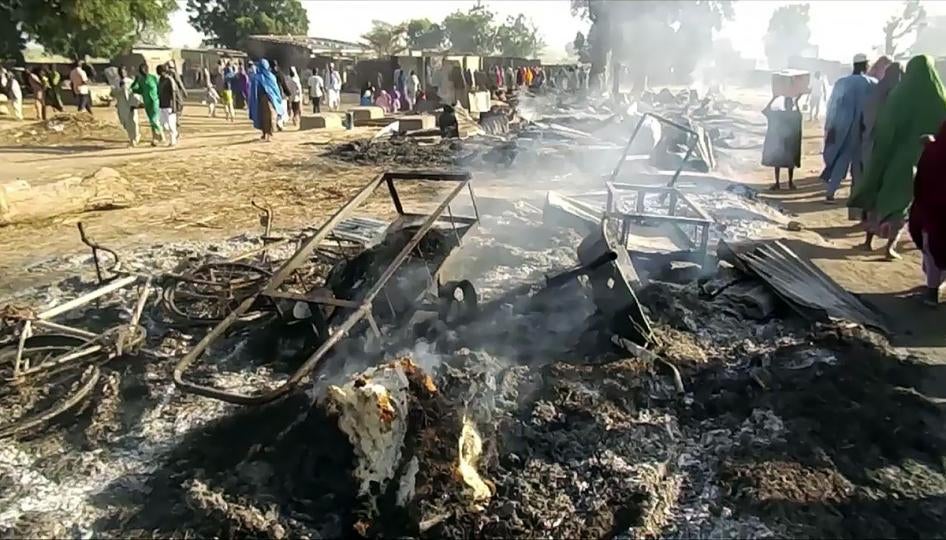
Boko Haram Attack Exposes Chad’s Lake Chad Crisis
The latest Boko Haram attack in Chad is more than another grim headline. It is a brutal reminder that the Lake Chad region remains one of Africa’s most dangerous and strategically neglected conflict zones. When armed fighters kill dozens of soldiers in a supposedly fortified area, the real story is not just the death toll. It is the uncomfortable truth that years of counterinsurgency operations, military coordination, and political promises have still failed to neutralize a resilient insurgent threat.
For governments across the region, this is a warning flare. For civilians living around Lake Chad, it is daily reality. And for anyone tracking African security, migration, food systems, and state stability, this incident matters far beyond Chad’s borders. The insurgency has evolved, adapted, and survived pressure that should have broken it. That makes this attack both a tactical tragedy and a strategic indictment.
- Boko Haram killed at least 23 Chadian soldiers in the Lake Chad region, underscoring persistent insecurity.
- The attack exposes gaps in regional military coordination and intelligence-driven operations.
- Lake Chad’s geography still gives insurgents room to hide, regroup, and strike.
- The conflict threatens civilians, economic activity, humanitarian access, and state legitimacy.
- Without a broader strategy beyond force alone, the insurgency is likely to remain adaptive and deadly.
What happened in the Boko Haram attack
According to the reported details, fighters from Boko Haram launched a deadly assault on Chadian troops in the Lake Chad region, killing 23 soldiers. The area has long been a flashpoint, with military outposts and mobile units facing repeated raids, ambushes, and asymmetric attacks. The numbers matter, but so does the method: these operations are designed not only to inflict casualties but to demonstrate reach, erode morale, and embarrass state forces.
This is how insurgencies stay relevant. They do not need to hold major cities to shape the political landscape. They need only prove that they can still strike defended positions, exploit terrain, and impose costs on armies that are meant to suppress them.
Key insight: A successful insurgent raid on soldiers is never just a battlefield event. It is a message about the limits of state control.
Why the Lake Chad region keeps producing security failures
The Lake Chad basin is notoriously difficult to secure. It spans borderlands linking Chad, Nigeria, Niger, and Cameroon, mixing marshland, islands, fishing routes, informal trade corridors, and remote communities. For conventional militaries, this environment is punishing. For insurgent groups, it can be an operational gift.
That geography has repeatedly enabled Boko Haram and splinter factions to disperse, hide, and reassemble. Even when one camp is cleared or one commander is eliminated, the network often survives in fragments. These groups operate with low logistical overhead, local knowledge, and the capacity to exploit weak surveillance coverage.
Terrain favors mobility over permanence
Unlike a traditional front line, Lake Chad is fluid. Water levels shift. Access routes change. Civilian settlements can become transit points or pressure zones. This creates a cat-and-mouse environment where fixed military positions are vulnerable and rapid reaction becomes difficult.
In practical terms, insurgents can use small boats, motorcycles, and local pathways to move faster than heavily equipped forces. That mobility can turn a relatively small militant unit into a major strategic problem.
Regional borders complicate response
The insurgency is not contained neatly inside one state. Cross-border movement means national armies are often reacting within separate command structures to what is effectively a shared threat. Coordination exists, but it is uneven. Intelligence sharing can lag. Political priorities differ. Military resources are stretched.
That fragmentation matters because insurgent groups thrive in seams: border seams, jurisdictional seams, and institutional seams. Every delay in communication or mismatch in operations creates space for militants to reposition.
Why this Boko Haram attack matters beyond Chad
It is tempting to see attacks like this as isolated episodes in a long-running regional conflict. That would be a mistake. The implications stretch into politics, economics, humanitarian stability, and international security planning.
First, repeated attacks on military forces weaken confidence in the state. If an army cannot reliably protect its own positions, civilians naturally question whether they can be protected at all. That affects everything from local cooperation with security forces to broader national legitimacy.
Second, persistent insecurity around Lake Chad disrupts farming, fishing, and trade. This region is not just a battlefield. It is a fragile economic ecosystem supporting communities that are already under pressure from poverty, displacement, and climate stress. Violence compounds all three.
Third, the attack reinforces a broader lesson about modern insurgency: hard power alone is rarely enough. Tactical victories can coexist with strategic stagnation. Militants lose leaders yet keep operating. Bases are destroyed yet attacks continue. Territory is denied yet insecurity spreads.
The real danger is normalization. When deadly attacks become routine, states risk adapting politically to permanent insecurity instead of solving it.
Boko Haram’s evolution is part of the problem
One reason the Boko Haram attack remains such a potent threat is that the movement and its offshoots have changed over time. What began as a more centralized extremist movement has, under years of military pressure, fractured and adapted. That fragmentation can make the threat harder, not easier, to manage.
Decentralized violence is harder to eliminate
Counterterrorism campaigns often focus on leadership decapitation, camp destruction, and territorial rollback. Those measures matter. But fragmented militant cells can survive losses that would cripple a conventional organization. They rely on opportunistic attacks, local coercion, and intimate terrain knowledge rather than standing force concentration.
This means a military can claim progress and still face recurring deadly strikes. It is not necessarily evidence that nothing has been achieved. It is evidence that the threat has become more distributed and adaptive.
Psychological warfare is central to insurgent strategy
Attacks on soldiers carry symbolic weight. They are intended to signal endurance, capability, and relevance. In insurgent logic, perception is power. If fighters can create a sense that the state is reactive and vulnerable, they gain leverage that exceeds their raw numbers.
That perception can influence recruitment, local compliance, and the political narrative surrounding the conflict. A single successful raid can undo months of official messaging about progress.
What Chad and its partners need to do next
There is no quick fix, but the strategic direction is clear. More troops alone will not solve the Lake Chad problem. The region needs a layered response that treats security as both a military and governance challenge.
- Improve intelligence fusion: Faster coordination across national and local units is critical for anticipating insurgent movement.
- Increase mobility: Forces need flexible deployment models suited to marshland, islands, and shifting transit routes.
- Protect civilians as a core mission: Counterinsurgency fails when communities feel abandoned or abused.
- Disrupt financing and supply lines: Militants depend on local extortion, smuggling, and coercive resource extraction.
- Pair force with governance: Security gains collapse when state presence ends at the barracks gate.
Pro tip for policymakers
The most durable anti-insurgency strategy in places like Lake Chad is not simply more firepower. It is better situational awareness, stronger cross-border command alignment, and consistent civilian-facing administration after military operations end.
The humanitarian cost remains the hidden center of the story
Military deaths dominate the immediate coverage, and understandably so. But the wider cost is borne by civilians who live with constant disruption. Families flee raids. Schools close. Markets shrink. Health access becomes harder. Aid delivery slows or reroutes. The result is a region trapped in overlapping crises where insecurity feeds poverty and poverty, in turn, creates fresh vulnerabilities.
This cycle is one reason extremist violence can endure even when it is broadly rejected by local populations. Communities under pressure may not support insurgents, but they often lack meaningful alternatives, reliable protection, or economic resilience. That vacuum is where armed groups continue to operate.
What to watch after this attack
The immediate response will likely focus on retaliation, force reinforcement, and public messaging. That is standard, and some of it is necessary. But analysts should pay closer attention to what comes next.
- Will Chad adjust troop posture in the Lake Chad zone?
- Will regional partners deepen real-time operational coordination?
- Will officials frame the event as an isolated setback or evidence of a larger strategic problem?
- Will civilian protection and local stabilization receive the same urgency as military response?
Those questions matter because insurgencies are rarely defeated in the aftermath of a single strike. They are weakened over time through persistent denial of mobility, logistics, legitimacy, and local coercive power.
The bigger verdict on the Boko Haram attack
This Boko Haram attack is not shocking because it is unprecedented. It is alarming because it remains possible. After years of regional operations, the group or its aligned factions can still inflict serious losses on state forces in one of the region’s most heavily contested theaters. That should force a more honest assessment of what success looks like.
If success is defined only by body counts, raids, or official declarations, the Lake Chad conflict will remain stuck in repetition. If success is defined by durable civilian safety, functioning local economies, and shrinking insurgent freedom of movement, then the current benchmark is clearly not enough.
Chad now faces the same hard truth confronting much of the region: insurgent violence survives where terrain, fragility, and governance gaps intersect. The attack that killed 23 soldiers is a tragedy. It is also a strategic signal. Ignore it, and the next warning will likely be deadlier.
The information provided in this article is for general informational purposes only. While we strive for accuracy, we make no guarantees about the completeness or reliability of the content. Always verify important information through official or multiple sources before making decisions.