Bridge Deal Unlocks Detroit Windsor Trade
Bridge Deal Unlocks Detroit Windsor Trade
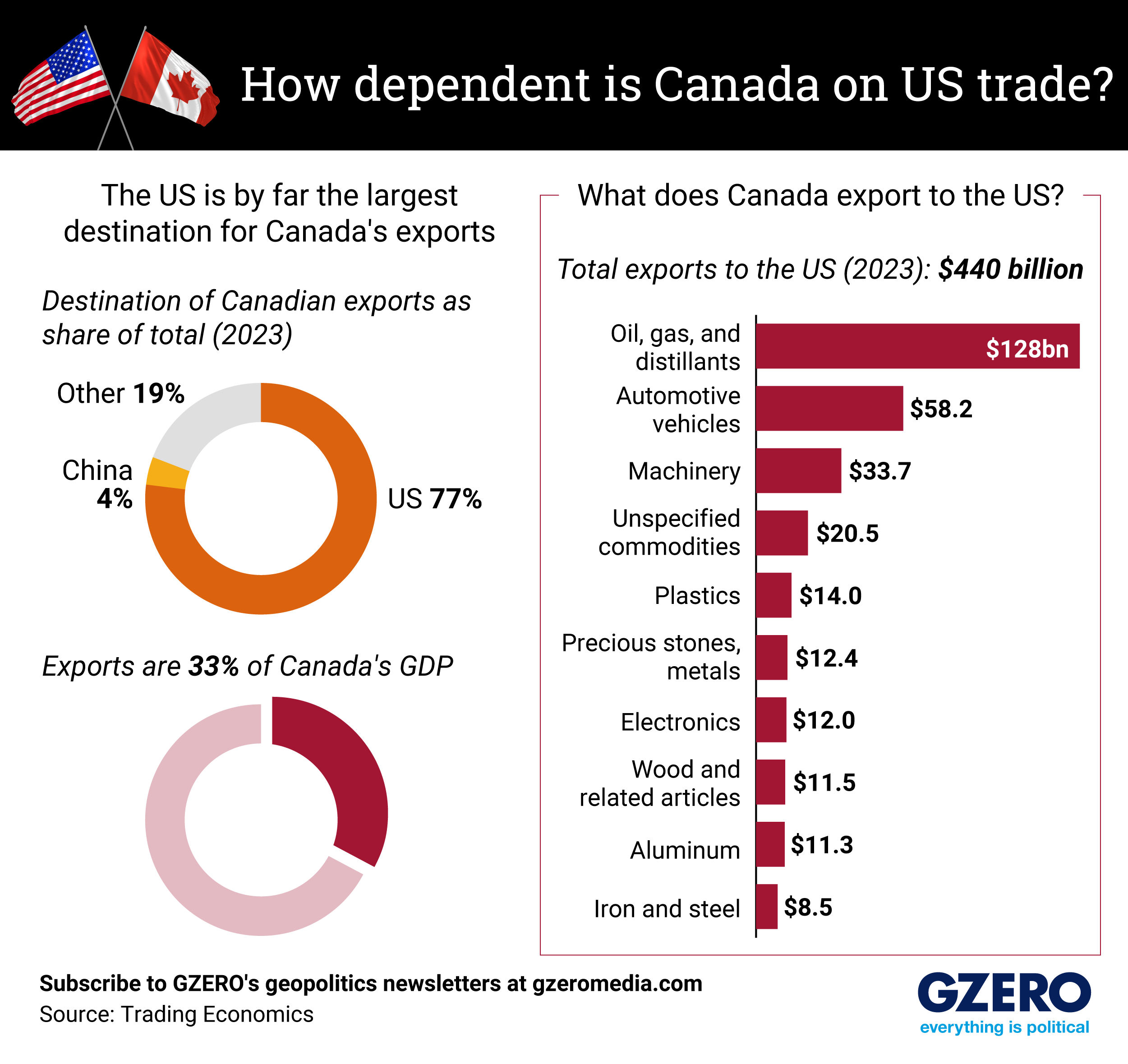
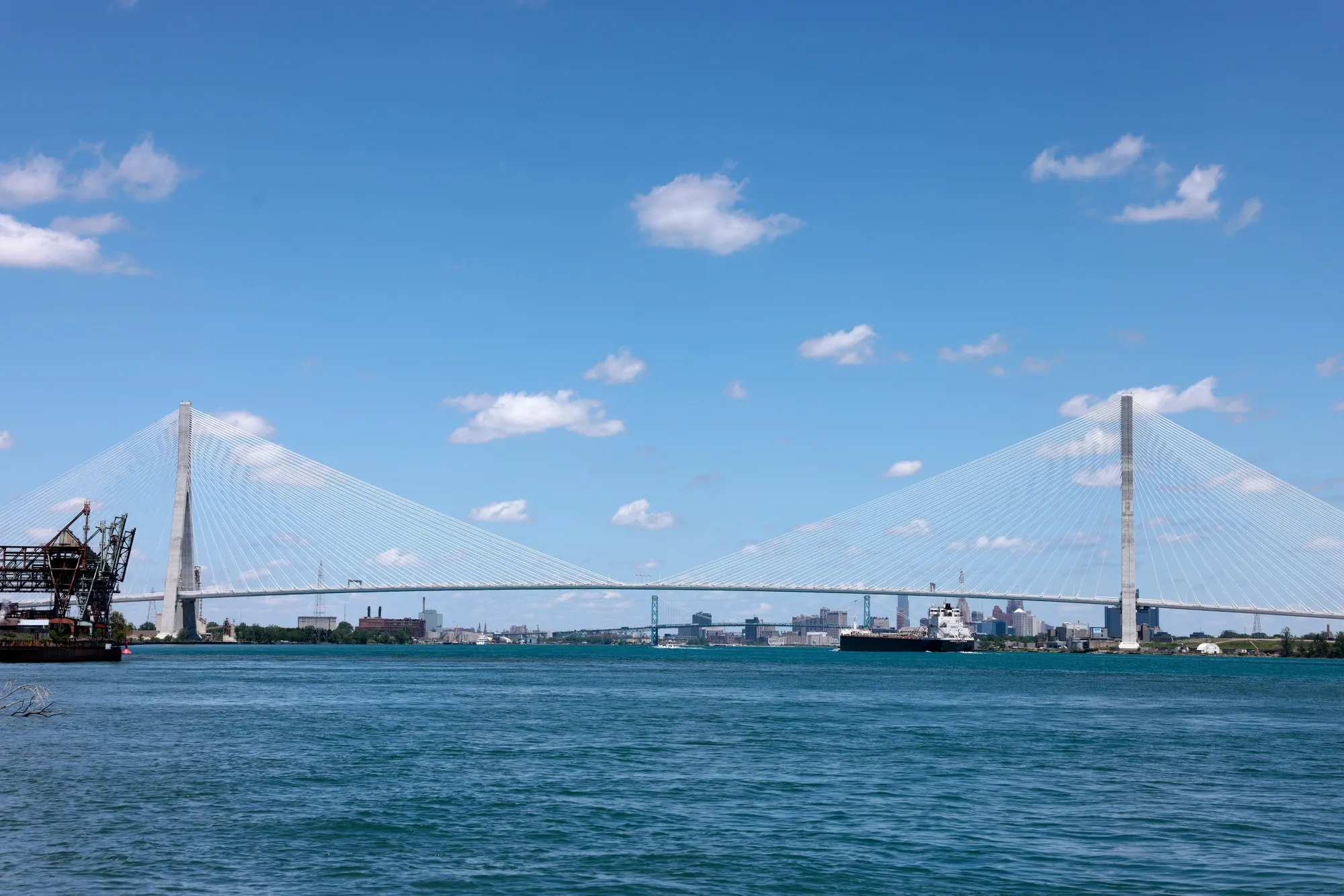
The Detroit-Windsor bridge deal is more than a diplomatic clean-up job. It is a pressure valve for one of North America’s most important trade corridors, and the delay was starting to bite. Every extra day of uncertainty around a border crossing that handles commercial traffic at industrial scale creates friction for automakers, suppliers, logistics firms, and the broader cross-border economy. What looked like a local dispute had quietly become a regional business problem with national implications. For companies that depend on just-in-time delivery, predictable customs flow, and a stable US-Canada relationship, the message is blunt: infrastructure politics can move real money. The new agreement is a sign that both governments understand the cost of letting a strategic bridge sit in limbo.
- The Detroit-Windsor bridge deal removes a major delay for cross-border freight and construction planning.
- The bridge is strategically important for auto manufacturing and supply-chain reliability.
- Diplomatic compromise matters because border infrastructure affects jobs, shipping costs, and investment decisions.
- The deal may reduce near-term uncertainty, but project execution still depends on sustained coordination.
Why the Detroit-Windsor bridge deal matters now
This is not just a ribbon-cutting story. The Detroit-Windsor crossing sits inside a trade ecosystem that powers a significant share of North American manufacturing. When the bridge project stalled, the damage was not limited to headlines. Delays ripple through procurement schedules, labor planning, and capital spending. That matters especially in the auto sector, where a few hours of disruption can trigger production headaches and force expensive workarounds.
For policymakers, the agreement is also a reminder that infrastructure is geopolitical. Border crossings are not interchangeable assets. Each one has a specific role in moving people, trucks, parts, and finished goods. The longer a major project is delayed, the more businesses start to price in risk. Once that happens, companies can shift investment away from the region, or at least hedge with extra inventory and backup routes.
What changed in the dispute
The core issue was simple: the bridge launch was delayed because of a dispute between the two sides over how the project should move forward. That kind of impasse can sound procedural, but in infrastructure, process is often the product. Approvals, sequencing, and governance determine whether crews can work, whether contracts stay intact, and whether the timeline still means anything to the people paying for the project.
The new deal appears to reset that process. While the exact political mechanics can be messy, the signal is clear: both sides had enough incentive to step back from escalation. That is not a small thing. Governments rarely admit that delays have broader economic costs unless those costs become impossible to ignore. Here, the pressure came from business interests, regional stakeholders, and the practical reality that cross-border logistics cannot be paused indefinitely.
Expert takeaway: Infrastructure disputes are often sold as negotiation tactics, but the real casualty is usually certainty. Once certainty is lost, the market starts charging a premium for risk.
Detroit-Windsor bridge deal and the supply chain stack
The Detroit-Windsor bridge deal lands at a moment when supply chains are already under stress from reshoring efforts, labor constraints, and geopolitical fragmentation. That gives the bridge outsized importance. This is not only about one crossing. It is about whether North American manufacturing can keep relying on integrated production across the border without constantly rebuilding contingency plans.
Automakers feel it first
Detroit and Windsor sit at the center of a deeply integrated auto corridor. Parts often cross the border multiple times before a vehicle is finished. That means delays are amplified. A held-up shipment does not just affect one warehouse. It can affect an assembly line, a supplier’s cash flow, and downstream retail delivery schedules.
Logistics firms need predictability
Trucking companies do not love uncertainty because uncertainty is expensive. Routes have to be re-optimized, driver schedules get complicated, and idle time becomes a hidden tax. In practical terms, the bridge deal should help reduce the need for stopgap routing and emergency inventory buffering.
Investors watch infrastructure risk
Capital flows where execution risk is manageable. A delayed bridge project can make a region look harder to build around, even when the underlying market is strong. By clearing the dispute, the two governments are effectively telling investors that this corridor remains open for business.
What businesses should watch next
Even with the dispute resolved, the work is not over. The biggest question now is whether the new agreement holds long enough for the project to regain momentum. Businesses should watch three things closely: timeline stability, permitting and construction sequencing, and any follow-on political friction that could reopen the issue.
- Project milestones: If the timeline starts slipping again, procurement teams should assume more disruption ahead.
- Border operations: Monitor whether the crossing continues to support freight without new bottlenecks.
- Contract execution: Construction and logistics firms should review any clauses tied to delays, change orders, or force majeure conditions.
- Inventory strategy: Manufacturers may be able to trim some buffer stock if the route becomes reliably available.
A practical pro tip for operators: do not treat the deal as a permanent cure. Treat it as a stabilization event. That means updating routing models, but not ripping out contingency plans until the project shows several months of steady progress.
Why this bridge is bigger than the bridge
The Detroit-Windsor corridor is one of those infrastructure assets that only becomes famous when it breaks. Yet its real value lies in being invisible when it works. The bridge is part of a larger logic of North American competitiveness: fast customs flows, shared industrial supply chains, and the ability to move high-value goods with minimal friction.
That is why this agreement matters beyond the immediate construction timeline. It reinforces a core business principle: trade infrastructure is economic policy in physical form. A bridge can shape who wins contracts, where factories expand, and how much resilience manufacturers can afford to build into their systems.
The political lesson is equally sharp. Governments can spend months arguing over process, but markets punish indecision quickly. When a project affects manufacturing output, cross-border employment, and regional investment, every delay carries a price tag. The deal suggests both countries were willing to pay less of that price going forward.
Bottom line: The real win here is not just reopening a project. It is restoring confidence that the Detroit-Windsor corridor will keep functioning as a reliable engine of trade.
The strategic outlook
Looking ahead, the Detroit-Windsor bridge deal may serve as a template for how governments handle future infrastructure disputes. The best-case scenario is straightforward: fewer delays, stronger coordination, and a cleaner path to completion. The more cautious view is that the underlying tensions remain, and the settlement simply buys time. Both can be true.
For now, the important thing is momentum. If the project advances without another public fight, the region can begin to recover the credibility that was at risk during the delay. If not, the disruption will linger longer than any one press release. In a trade corridor this important, credibility is not a soft metric. It is part of the infrastructure itself.
That is why business leaders should read this deal as a signal, not just a headline. It says the bridge is moving again, but it also says something deeper: cross-border commerce still depends on governments being able to choose execution over stalemate.
The information provided in this article is for general informational purposes only. While we strive for accuracy, we make no guarantees about the completeness or reliability of the content. Always verify important information through official or multiple sources before making decisions.