Trump Canada Tariffs Shake Trade
Trump Canada Tariffs Shake Trade
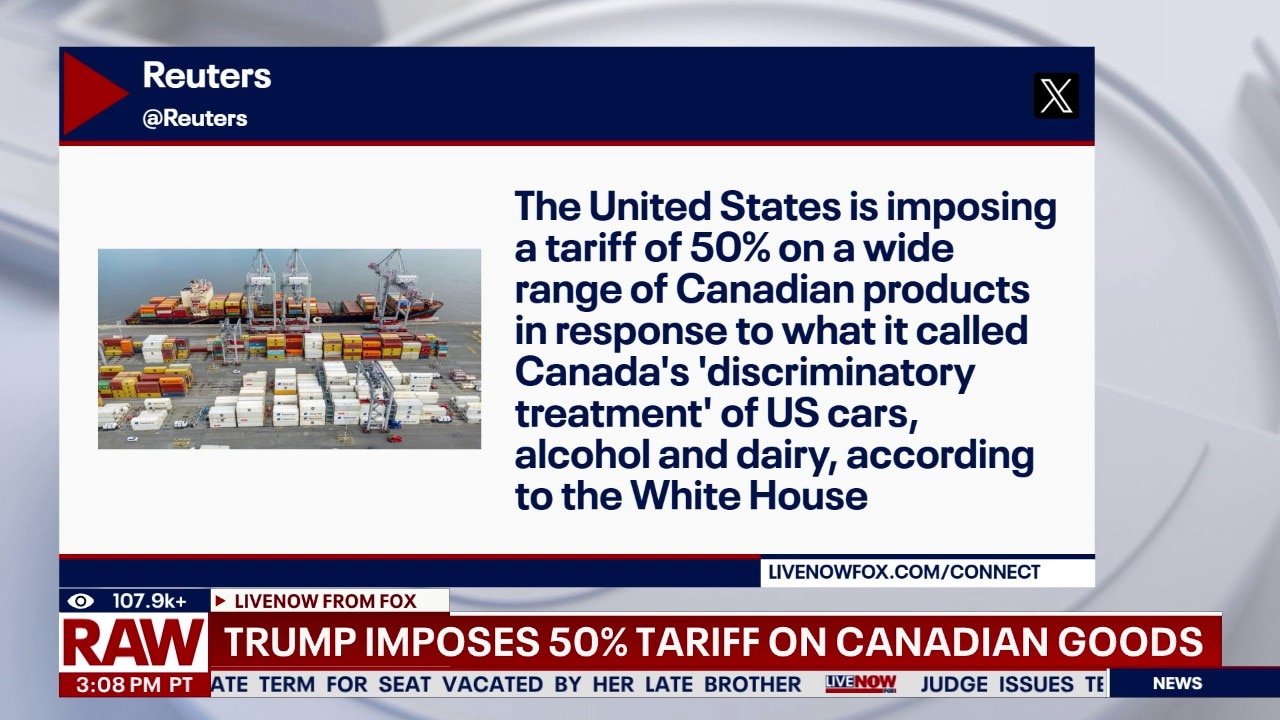
Donald Trump’s latest push on Trump Canada tariffs is not just another campaign-season threat. It lands at a moment when North American supply chains are still brittle, inflation remains politically toxic, and companies have little room to absorb new costs. If these tariffs stick, the impact will ripple far beyond Washington and Ottawa. Manufacturers, retailers, automakers, and consumers could all end up paying for a trade fight that is as much about leverage as economics. The bigger question is not whether tariffs can be announced quickly. It is whether businesses, already operating on thin margins and tight timelines, can adapt fast enough before the damage is locked in.
- Trump Canada’s tariff threat could raise costs across key industries fast.
- Supply chains built for efficiency may struggle with sudden trade barriers.
- Retaliation from Canada would likely hit U.S. exporters and farmers.
- Companies with low inventory buffers face the biggest short-term risk.
- The political message may matter as much as the actual tariff schedule.
Why Trump Canada tariffs matter now
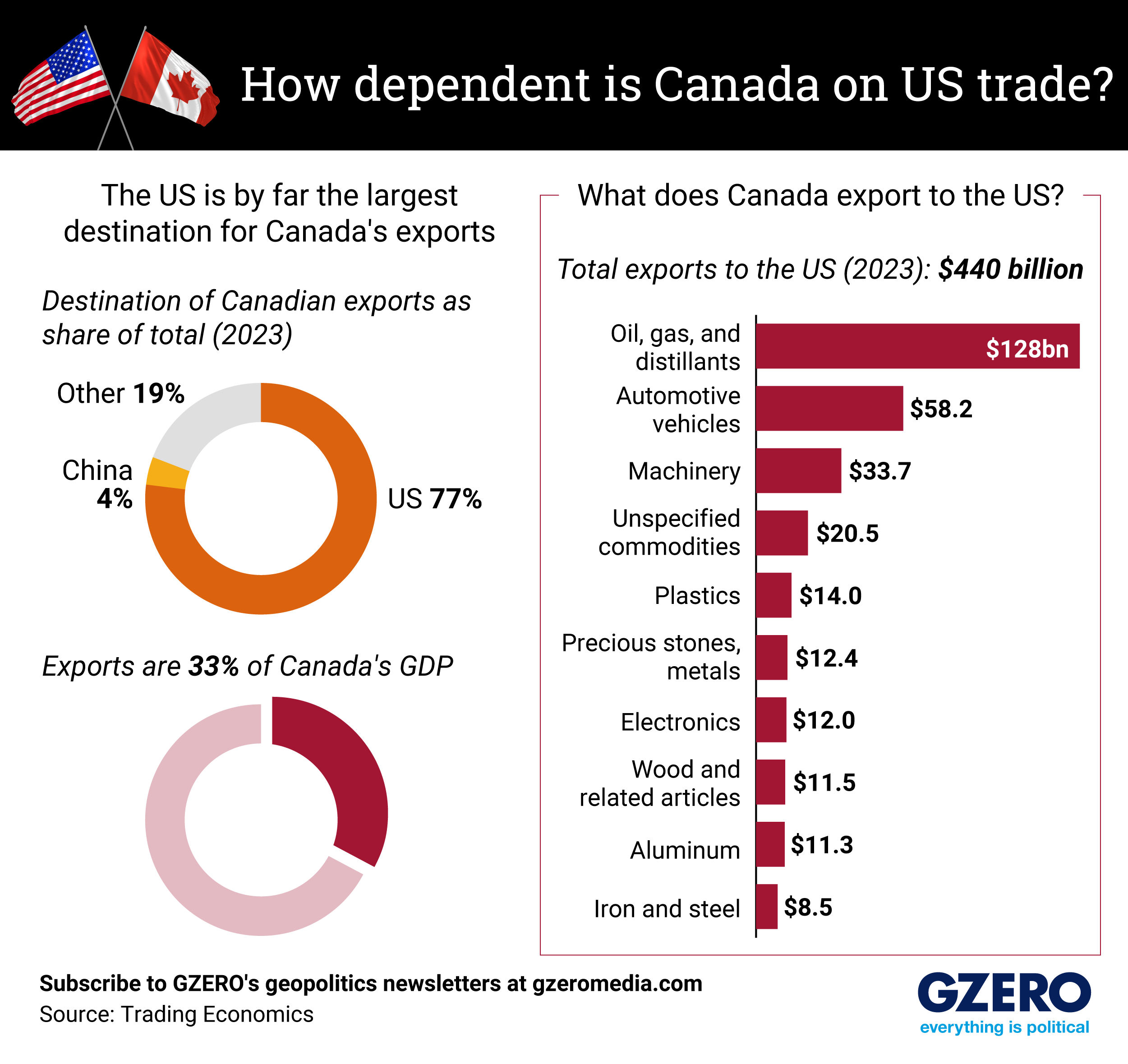
The phrase Trump Canada tariffs sounds like familiar trade-war theater, but the timing makes it more consequential. North American trade is deeply integrated. Parts cross the border multiple times before becoming a finished product, especially in autos, energy, agriculture, and consumer goods. That means a tariff on Canadian imports is rarely a clean tax on foreign goods. It is more often a tax on a cross-border production system that U.S. businesses also depend on.
That is what makes the policy so disruptive. Even if the administration frames the move as a negotiating tactic, the market has to price in the possibility that it becomes real. When that happens, companies start adjusting before the policy fully lands: sourcing changes, procurement delays, inventory hoarding, and higher contract prices. The result is a slow-motion shock that can hit margins long before shoppers see sticker shock.
The tariff playbook is simple. The fallout is not
Tariffs are politically attractive because they are easy to explain and easy to announce. The theory is straightforward: make imported goods more expensive, pressure foreign producers, and force better trade terms. But the practical effects are messy. Canada is not a distant adversary. It is a top trading partner, a critical supplier, and in many sectors, an embedded part of U.S. manufacturing.
Tariffs often look like a clean negotiating tool from the podium, but in practice they behave more like a hidden tax on the very supply chains that keep prices stable.
That is why investors and executives tend to react so quickly when tariff threats surface. The uncertainty itself becomes the problem. If a company cannot predict whether a key component will face a penalty next quarter, it has to choose between overbuying inventory, raising prices, or squeezing its own margins. None of those options are particularly elegant.
How Trump Canada tariffs could hit key sectors
The most exposed industries are the ones that rely on cross-border movement at scale. That includes autos, food processing, industrial equipment, and energy. The pain is not evenly distributed, and that is the point: a tariff policy often creates winners and losers inside the same economy.
Automakers face the biggest chain reaction
Auto production is the clearest example of why tariffs are such a blunt instrument. A vehicle assembled in the United States may include parts from Canada, Mexico, and multiple domestic suppliers. If a tariff increases the cost of Canadian components, the price can cascade through the entire vehicle. That raises production costs, which can lead to higher car prices, weaker demand, or reduced vehicle features as manufacturers look for savings elsewhere.
For buyers, this matters because the auto market has already been stretched by higher financing costs and elevated vehicle prices. Another layer of tariff pressure could make affordability even worse.
Farmers and food companies are exposed too
Canada is not just a trade partner for industrial goods. It is also central to agriculture and food processing. If tariffs spark retaliation, U.S. exporters could see sudden access problems or price disadvantages in Canadian markets. That could hit grain producers, meat exporters, dairy-related businesses, and packaged food companies that depend on predictable border movement.
The challenge here is that agricultural trade often runs on timing. Miss a shipping window or face a new border cost, and the economics can collapse fast. Once contracts shift to alternative suppliers, getting that business back is not guaranteed.
Energy and industrial inputs are the hidden risk
Energy trade can be even more politically sensitive. Canadian oil, refined products, lumber, steel, and industrial materials are woven into U.S. operations in ways many consumers never see. Tariffs on these inputs can raise costs for builders, utilities, and factories, even if the policy is sold as a foreign policy flex. That is the hidden danger of broad trade pressure: the most visible message is not always the most important consequence.
Why businesses hate uncertainty more than tariffs
Executives can model a tariff. They can price a percentage increase into contracts, renegotiate with suppliers, or pass some costs along to customers. What they cannot easily model is political volatility. If a tariff threat changes every few weeks, strategy becomes defensive and expensive. That is where the damage compounds.
- Procurement teams may lock in inventory earlier than planned.
- Suppliers may demand shorter contract terms or price escalators.
- Retailers may delay promotions to protect margin.
- Manufacturers may move sourcing away from Canada even when it is less efficient.
- Consumers may face gradual price increases instead of a single obvious jump.
This is why the market reaction to Trump Canada tariffs will likely be broader than the tariff rate itself. Uncertainty changes behavior. It creates inefficiency, and inefficiency is expensive.
What Canada is likely to do next
Canada has little reason to absorb a tariff hit quietly. Retaliation is the obvious response, especially if the policy is large enough to feel punitive. That could mean targeted tariffs on politically sensitive U.S. exports, new trade disputes, or pressure campaigns aimed at domestic industries that matter to the White House.
The political logic is familiar: if one side uses tariffs as leverage, the other side looks for leverage of its own. That is how trade disputes become larger than the original issue. They stop being about one policy and start becoming about credibility, domestic politics, and who blinks first.
When trade partners retaliate, the real target is often not the economy at large. It is the political pain points that can force a reversal.
That means exporters, especially in states with heavy agricultural or industrial exposure, should be watching closely. Retaliation does not have to be massive to matter. It only has to be targeted well enough to change political calculations.
How companies can prepare without overreacting
Businesses do not need to panic, but they do need to prepare. The best response to tariff uncertainty is not guesswork. It is visibility. Companies that know where their inputs come from, how quickly they can shift suppliers, and what their contract terms allow are better positioned than those treating trade policy as background noise.
Pro tips for supply chain teams
- Map exposure by supplier and component – Know which inputs come from Canada and which products depend on them.
- Stress-test pricing – Model what happens if costs rise by 5%, 10%, or more.
- Review contract language – Look for tariff clauses, escalation terms, and renegotiation triggers.
- Build inventory buffers carefully – Too much stock creates its own cash flow risk.
- Keep sourcing options warm – Alternative suppliers take time to validate, so do not wait until a tariff lands.
For smaller businesses, the key is not to overengineer a response. Start with the products that have the thinnest margins and the least flexible supply chains. Those are usually the first places where a tariff becomes a real business problem.
Why this matters beyond trade policy
Trump Canada tariffs are not just about customs forms and border taxes. They are a test of how much political disruption globalized supply chains can tolerate before the costs become visible to voters. That is why this story matters to people far outside trade policy circles. A tariff can show up as a higher car payment, a pricier grocery bill, or slower industrial hiring months later. The policy may begin as rhetoric, but the economic effects are very real once businesses start reacting.
There is also a bigger strategic question. If tariffs become the default tool for forcing concessions, then trade becomes less predictable and more transactional. That may satisfy a political message in the short term, but it weakens the underlying stability that companies rely on when they invest, hire, and plan.
For now, the smartest reading is cautious, not fatalistic. Some tariff threats never fully materialize. Others are softened through negotiation. But once the threat is out there, the market has to act as if the downside is real. And that alone can reshape trade behavior before a single border tax changes hands.
The bottom line
Trump’s Canada tariff push is powerful because it combines politics, leverage, and economic uncertainty into one package. The immediate effects may be uneven, but the broader message is unmistakable: North American trade can no longer assume stability. Companies that depend on Canadian inputs or Canadian buyers should treat this as more than headline noise. The policy may still be fluid, but the risk is already in motion.
If the tariffs advance, the first question will not be whether they create friction. It will be how much friction the system can absorb before consumers, businesses, and policymakers all feel the cost.
The information provided in this article is for general informational purposes only. While we strive for accuracy, we make no guarantees about the completeness or reliability of the content. Always verify important information through official or multiple sources before making decisions.